
Plant
Sacred Fig
Ficus religiosaAlso known as Bodhi Tree, Peepal Tree, Bo Tree, Ashvattha Tree
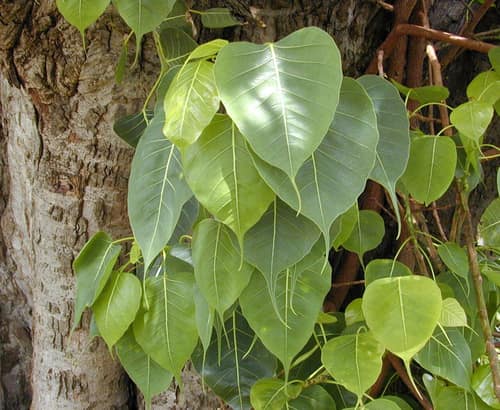
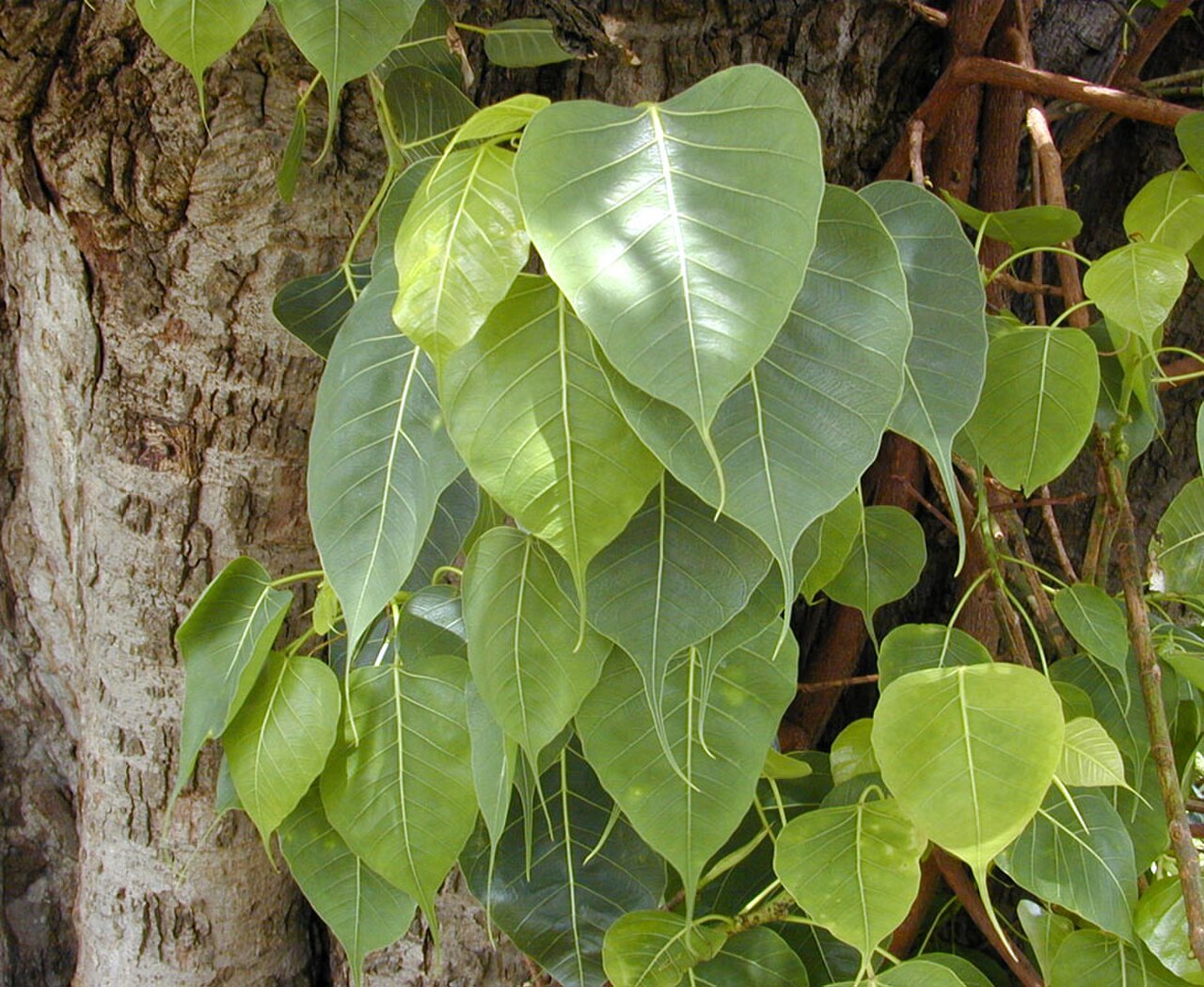
Sacred fig trees often begin life as epiphytes, germinating in the bark crevices of host trees or stone masonry before sending thick aerial roots downward to envelop their anchor. The distinctive cordate leaves bear elongated drip tips that channel rainwater away efficiently, rustling continuously even in the gentlest breeze. Because a single mature tree can produce thousands of figs across staggered intervals, it functions as a critical keystone resource that sustains frugivorous birds, bats, and primates through lean seasons.
Canopy TreeKeystone SpeciesEpiphyte
—observations
—countries
—peak records
Least ConcernConservation statusIUCN Red List categoriesLCNTVUENCREWEXLeast ConcernRed List categories, explained →
Diet & preyPhotoautotrophic
ThreatsUrban development, road expansion, and removal from architectural sites
HabitatsTropical and subtropical moist forests, river valleys, and urban masonry
Life span900–1,500 years
Classification
- OrderRosales
- FamilyMoraceae
- GenusFicus
- SpeciesFicus religiosa
Range data is not available yet.
Interaction riskHigh
- Low
- Moderate
- High
- Very high
- Why interaction risk is high
- Milky sap is toxic to dogs and cats if ingested; wild fruits also carry look-alike risks.
- Why it is dangerous
- Milky sap contains ficin and psoralens, which trigger oral irritation, excessive drooling, and vomiting in pets.
- How to recognize a risky encounter
- Recognized by smooth grey bark and glossy heart-shaped leaves tapering into an unmistakable, long tail-like tip.
- What to do
- Prevent dogs and cats from chewing on fallen leaves, and rinse skin if sticky white latex leaks from broken stems.
Responsible observation
- Viewing Foliage: Look for the slender, tail-like drip tips on leaves that flutter in the slightest breeze.
- Canopy Watching: Scan the crown during fruiting season for hornbills, parakeets, and fruit bats feeding on figs.
- Sprouting Sites: Check masonry crevices and tree forks where seeds deposited by birds readily germinate.
 Image unavailable
Pollinator 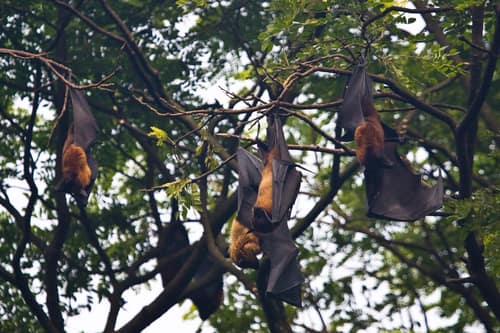
Disperser (c) Ken-ichi Ueda, some rights reserved (CC BY) · cc-by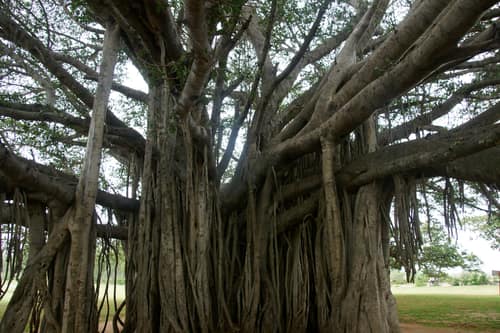
Close Relative (c) jess n, some rights reserved (CC BY-SA) · cc-by-sa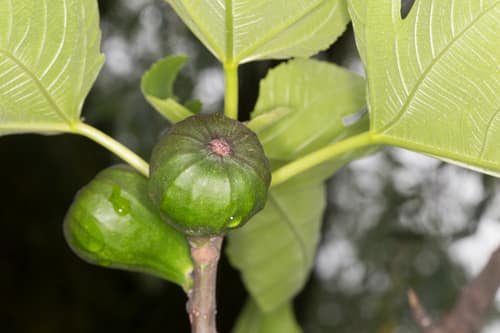
Close Relative (c) Drepanostoma, some rights reserved (CC BY), uploaded by Drepanostoma · cc-by
Help improve the field guideSomething wrong?
Checking your Fauna account…Report a name, category, or profile issue for review.