
Plant · GBIF taxon 5361930
Climbing Fig
Ficus pumilaAlso known as Creeping Fig, Climbing Rubber Plant, Creeping Ficus
Climbing fig exhibits remarkable heterophylly, starting life as a delicate creeping vine with tiny heart-shaped leaves before maturing into woody branches with large leathery foliage. Dense aerial rootlets produce a powerful biological adhesive that allows the plant to scale stone walls, tree trunks, and masonry with ease. In its mature phase, specialized fig wasps pollinate the inconspicuous flowers hidden within green, inverted fruit structures called syconia.
VineEvergreenClimber
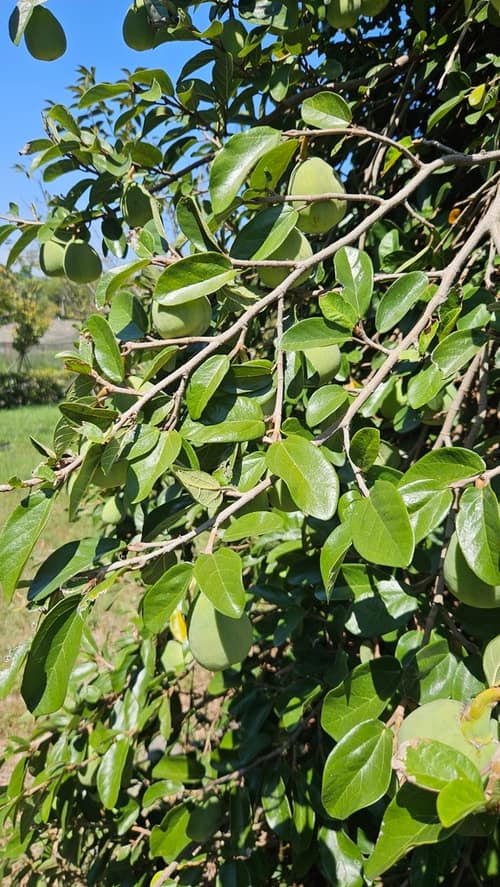
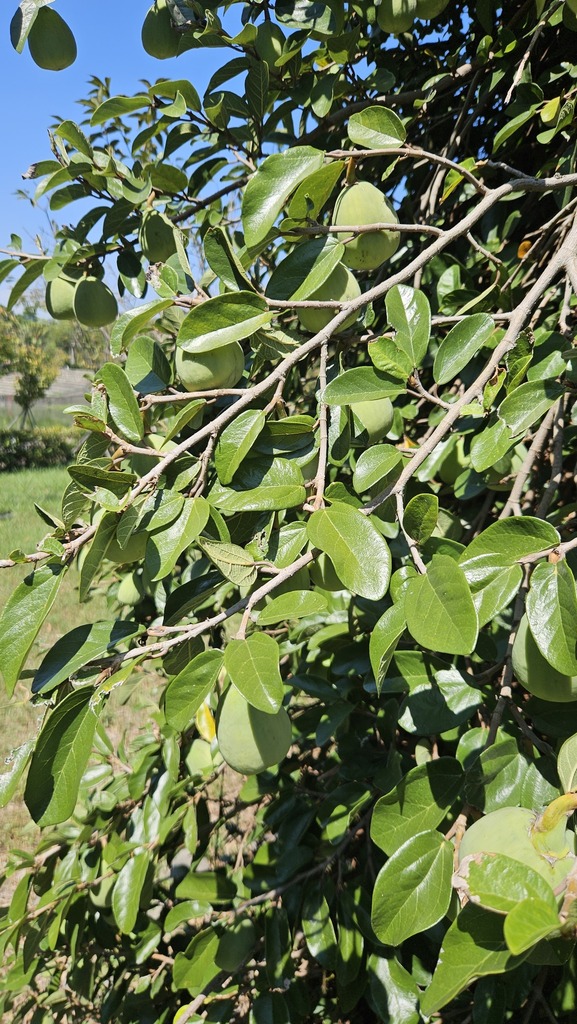
—observations
—countries
—peak records
Not EvaluatedConservation statusIUCN Red List categoriesLCNTVUENCREWEXNot Evaluated — not placed on the risk ladderRed List categories, explained →
Diet & prey
- Autotrophic (Photosynthetic)
Predators
- Spider mites
- Scale insects
- Thrips
ThreatsHabitat loss in native range; non-native spread in warm damp climates
HabitatsSubtropical forests, cliff faces, urban walls, rock gardens
Life span20–50+ years
Classification
- OrderRosales
- FamilyMoraceae
- GenusFicus
- SpeciesFicus pumila
Range data is not available yet.
Interaction riskHigh
- Low
- Moderate
- High
- Very high
- Why interaction risk is high
- Milky sap irritates skin and is toxic to pets if ingested; wear gloves when pruning.
- Why it is dangerous
- Produces a milky latex sap containing ficin that causes skin redness and contact dermatitis, as well as toxic reactions in pets.
- How to recognize a risky encounter
- Recognized as a trailing vine with small heart-shaped leaves that oozes white sticky sap when cut.
- What to do
- Wear protective gloves when pruning, and keep vines out of reach of domestic dogs and cats.
Responsible observation
- Pruning: Trim juvenile stems regularly to maintain small-leaved foliage and prevent adult fruiting growth.
- Surface Protection: Avoid growing against wooden siding, as aerial roots attach with strong, damaging adhesives.
- Light and Moisture: Position in bright indirect light with consistently moist, well-draining soil.
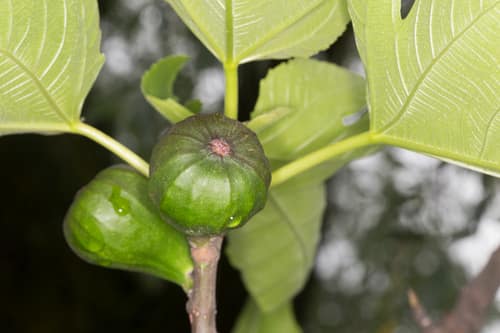
Close Relative (c) Drepanostoma, some rights reserved (CC BY), uploaded by Drepanostoma · cc-by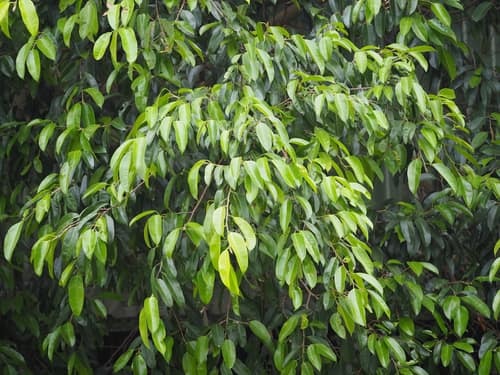
Close Relative no rights reserved, uploaded by 葉子 · cc0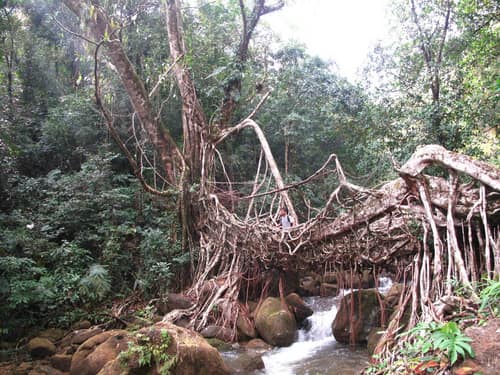
Close Relative (c) Yoav Daniel Bar-Ness, some rights reserved (CC BY), uploaded by Yoav Daniel Bar-Ness · cc-by
Help improve the field guideSomething wrong?
Checking your Fauna account…Report a name, category, or profile issue for review.