
Plant · GBIF taxon 5361909
Common Fig
Ficus caricaAlso known as Edible Fig, Fig Tree, Mediterranean Fig
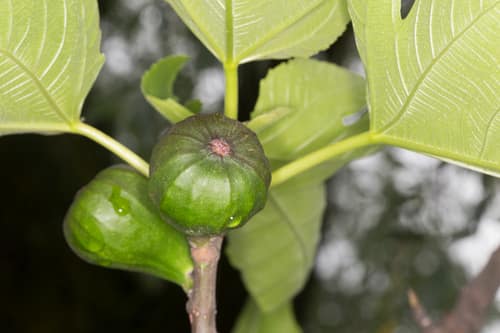
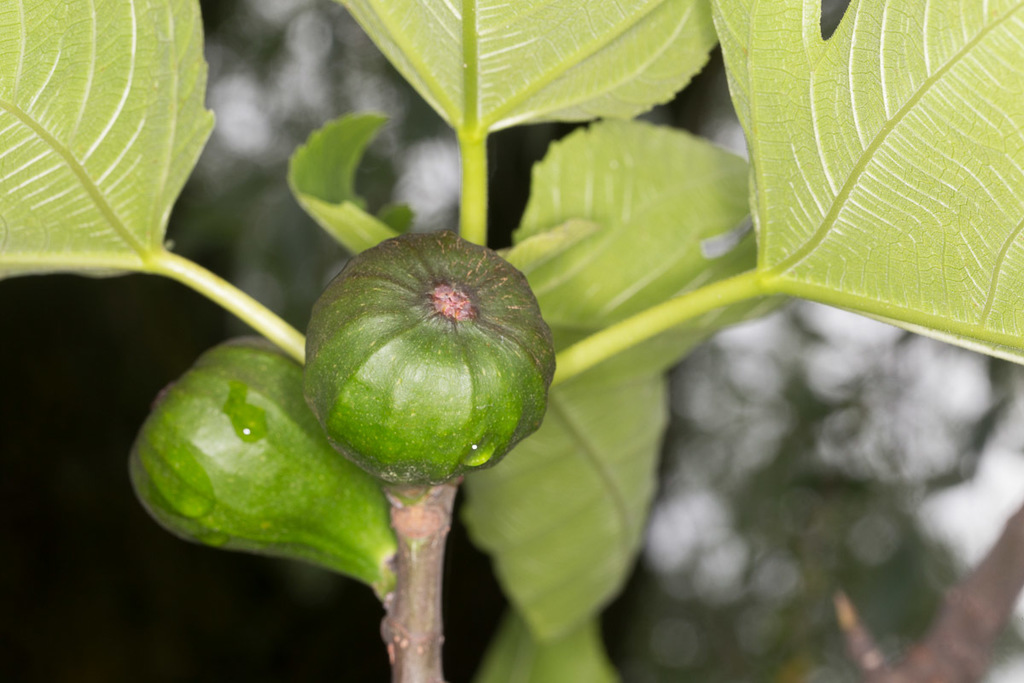
Common figs grow as small deciduous trees or spreading shrubs with broad, deeply lobed leaves and smooth grey bark. Their unique inverted flowers develop entirely inside hollow fleshy structures called syconia, which mature into rich sweet fruits. Wild trees rely on specialized gall wasps for pollination, while cultivated varieties typically set fruit without fertilization.
CultivatedDeciduousFruiting
 1 / 7
1 / 7—observations
—countries
—peak records
Least ConcernConservation statusIUCN Red List categoriesLCNTVUENCREWEXLeast ConcernRed List categories, explained →
Diet & prey
- Autotrophic (Photosynthetic)
Predators
- Birds
- Fruit bats
- Wasps
ThreatsHabitat fragmentation, root rot, fig mosaic virus
HabitatsMediterranean scrub, rocky slopes, cultivated orchards, temperate and subtropical gardens
Life span50–100+ years
Classification
- OrderRosales
- FamilyMoraceae
- GenusFicus
- SpeciesFicus carica
Range data is not available yet.
Interaction riskLow
- Low
- Moderate
- High
- Very high
- Why interaction risk is low
- Milky sap causes skin irritation in sunlight, and wild fruits have toxic look-alikes; never eat unverified plants.
- Why it is dangerous
- Milky latex sap contains furanocoumarins and enzymes that cause severe phytophotodermatitis and blistering when skin is exposed to sunlight.
- How to recognize a risky encounter
- Recognize by deeply lobed coarse leaves, smooth pale bark, and small green or purple fleshy fruits that leak white sap when cut.
- What to do
- Wear gloves and long sleeves when handling cut branches, and wash skin immediately with soap and water if sap contact occurs.
Responsible observation
- Leaf Handling: Wear gloves when pruning to avoid contact with milky sap that causes light-sensitive rashes.
- Pruning Time: Trim dormant branches in late winter before fresh growth and sap flow begin.
- Wildlife Watching: Observe ripening fruit from a short distance to spot birds and pollinating insects feeding.
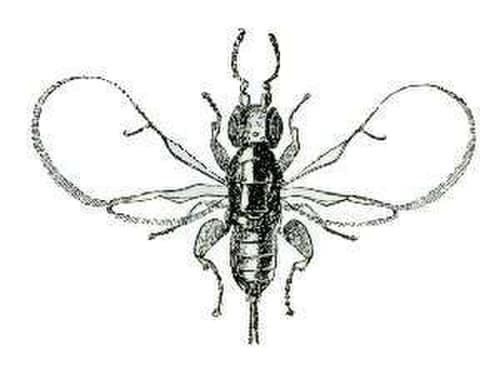
Pollinator Unknown authorUnknown author / Public domain · cc0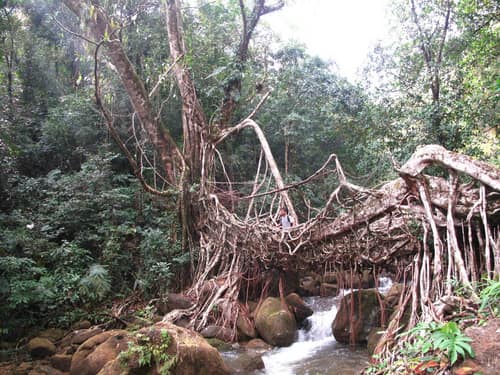
Close Relative (c) Yoav Daniel Bar-Ness, some rights reserved (CC BY), uploaded by Yoav Daniel Bar-Ness · cc-by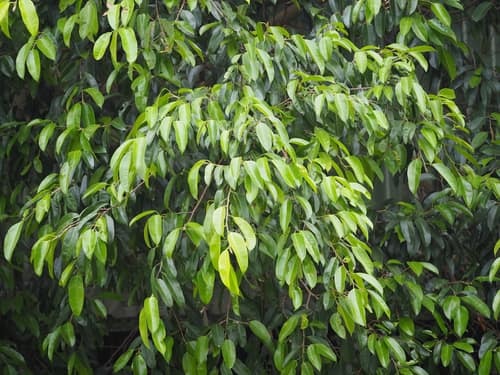
Close Relative no rights reserved, uploaded by 葉子 · cc0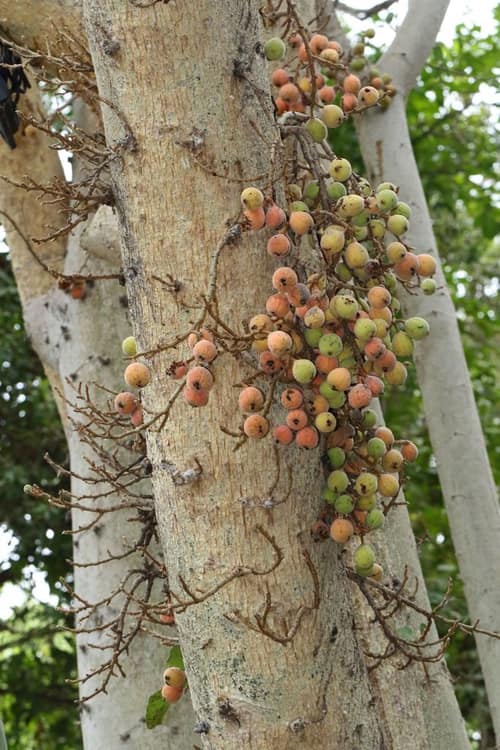
Close Relative (c) Alan Manson, some rights reserved (CC BY), uploaded by Alan Manson · cc-by
Help improve the field guideSomething wrong?
Checking your Fauna account…Report a name, category, or profile issue for review.