
Plant · GBIF taxon 5361886
Red Mulberry
Morus rubraAlso known as Virginia Mulberry
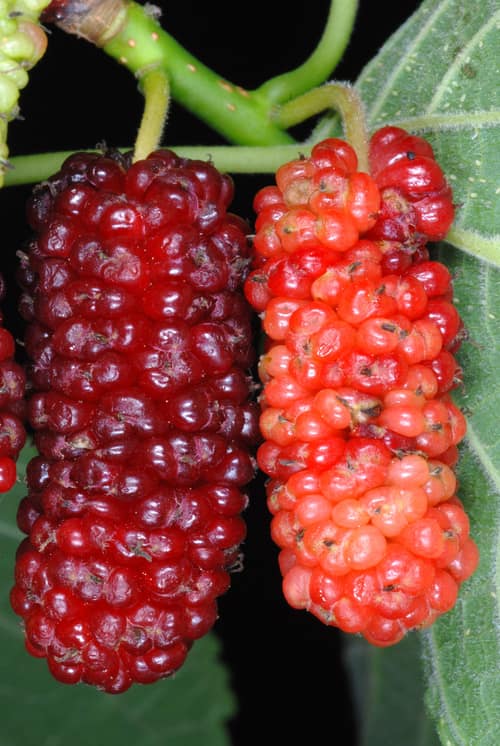
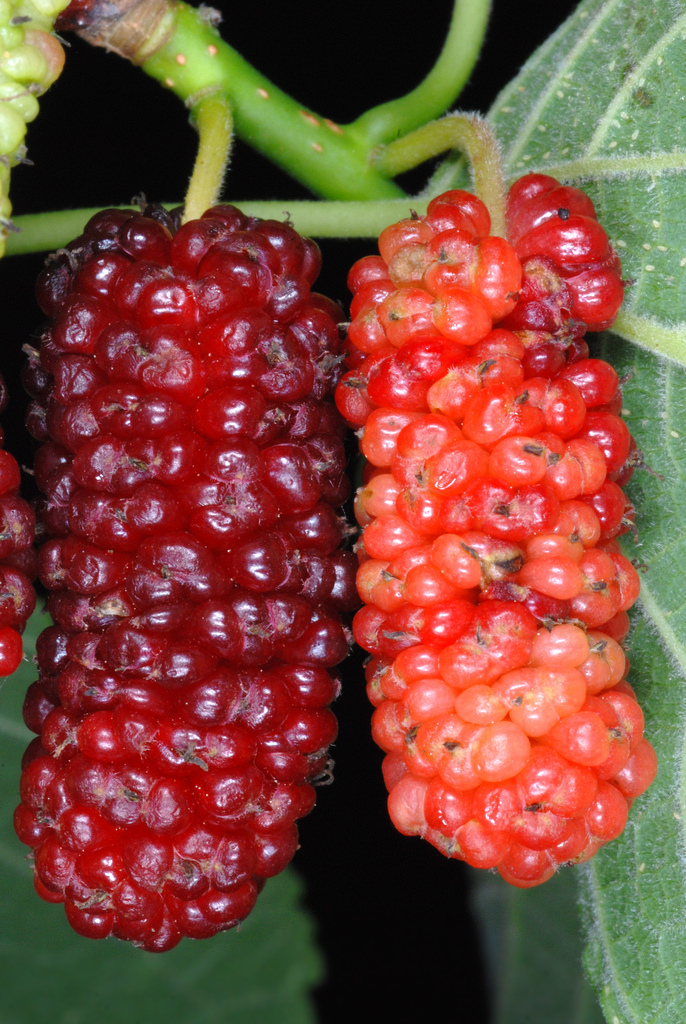
Red mulberry trees flourish in rich floodplain soils and moist eastern hardwood forests, recognized by their large, dull green leaves with rough, sandpaper-like upper surfaces. Birds and small mammals eagerly consume the dark compound fruits in early summer, dispersing seeds across river valleys and woodland gaps. Extensive hybridization with introduced white mulberry trees now poses a major genetic threat to native stands in northern parts of its range.
DeciduousNative TreeWildlife Food
 1 / 7
1 / 7—observations
—countries
—peak records
Least ConcernConservation statusIUCN Red List categoriesLCNTVUENCREWEXLeast ConcernRed List categories, explained →
Diet & prey
- Sunlight
- Water
- Soil Nutrients
Predators
- Whitetail Deer
- Eastern Cottontail
- Beaver
ThreatsHybridization with Morus alba, habitat loss, leaf spot disease
HabitatsMoist hardwood forests, river floodplains, nutrient-rich slopes
Life span75–125 years
Size / weightNot available
Classification
- OrderRosales
- FamilyMoraceae
- GenusMorus
- SpeciesMorus rubra
Range data is not available yet.
Interaction riskLow
- Low
- Moderate
- High
- Very high
- Why interaction risk is low
- Wild berries have toxic look-alikes; never eat based on app identification alone.
Responsible observation
- Leaf texture: Feel the top surface of the leaf, which is visibly rough and scabrous compared to smooth non-native look-alikes.
- Sap check: Look for milky white sap exuded from freshly broken leaf stems or twigs.
- Habitat context: Search along shaded riverbanks and moist forest understories where tree thrives best.
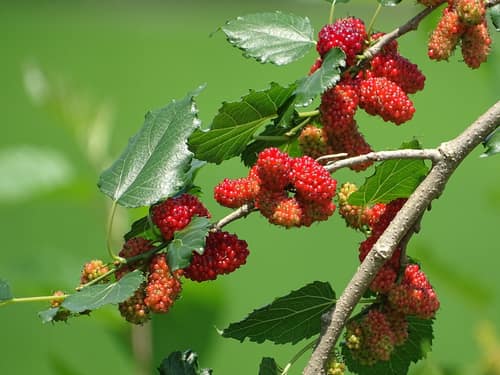
Invasive Competitor no rights reserved, uploaded by 葉子 · cc0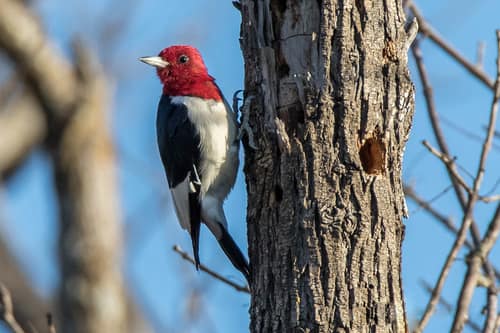
Seed Disperser "Birds - Red-headed Woodpecker by MarvinnAnn Patterson" by U.S. Fish & Wildlife Service Southwest Region is marked with Public Domain Mark 1.0. To view the terms, visit https://creativecommons.org/publicdomain/mark/1.0/. · cc0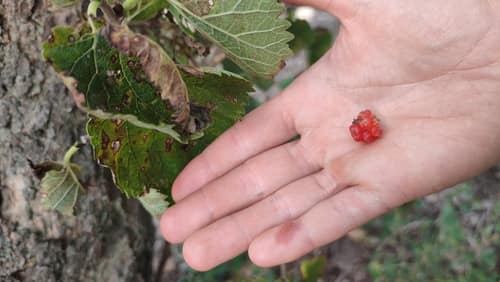
Close Relative (c) Josh, some rights reserved (CC BY) · cc-by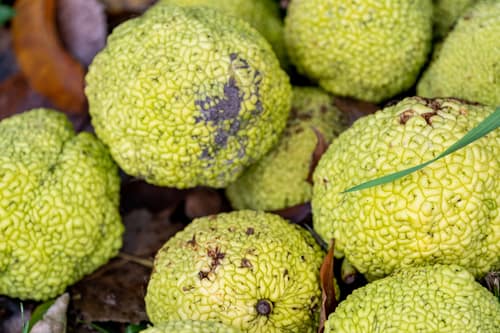
Family Member (c) Patrick Hanly, some rights reserved (CC BY), uploaded by Patrick Hanly · cc-by
Help improve the field guideSomething wrong?
Checking your Fauna account…Report a name, category, or profile issue for review.