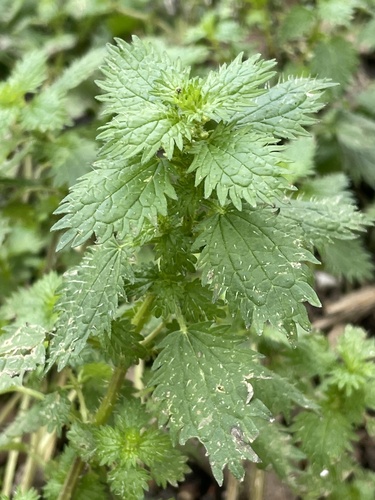
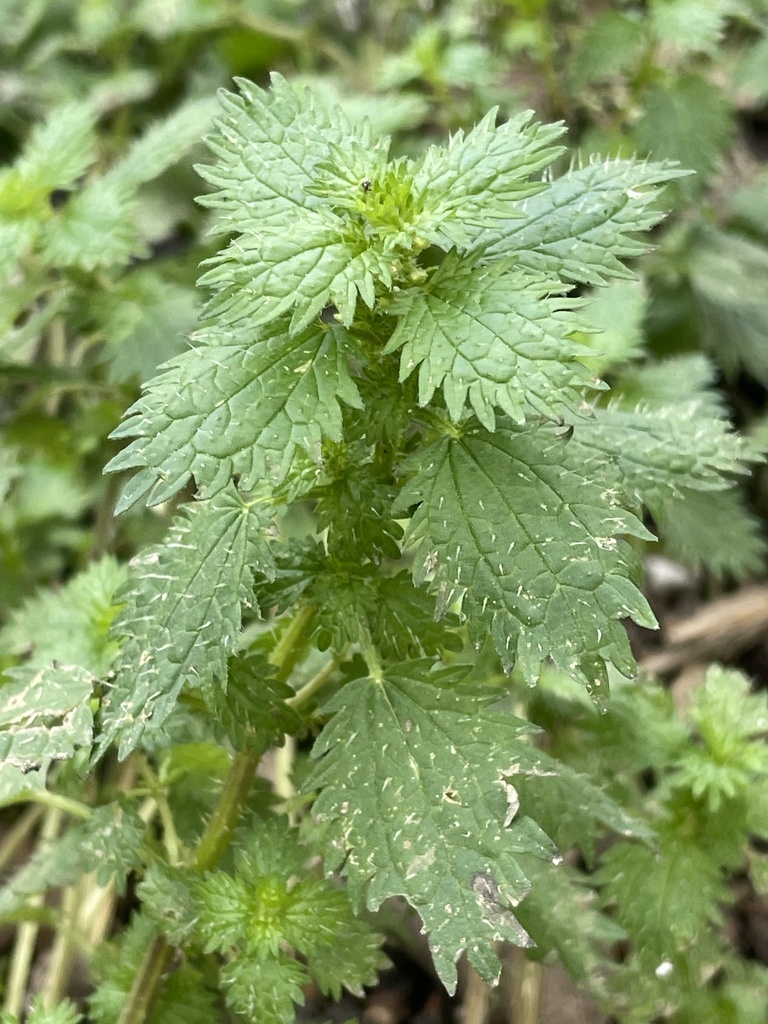
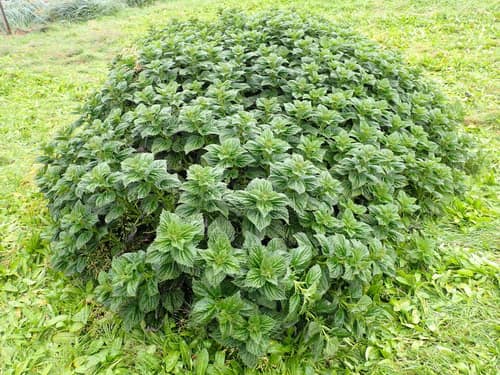
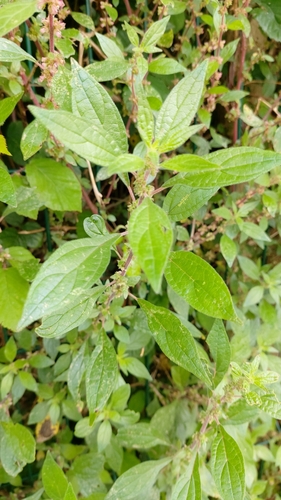
Also known as Annual Nettle, Small Nettle, Burning Nettle, Dog Nettle
Dwarf nettles thrive in nutrient-rich, disturbed soils such as cultivated gardens, compost heaps, and pastures. Unlike their perennial relative the stinging nettle, they complete their entire life cycle within a single season, producing compact clusters of greenish, wind-pollinated flowers containing both male and female blossoms on the same plant. Their hollow silica-tipped stinging hairs deliver an intense burning sensation when brushed, serving as an effective mechanical deterrent against mammalian herbivores.
ThreatsAgricultural herbicide application and rigorous hand-weeding
HabitatsCultivated fields, gardens, roadsides, disturbed ground, and waste areas
Life span1 year (annual)
Classification
FamilyUrticaceae
SpeciesUrtica urens
Range & activity
Range data is not available yet.
Safe observation
Interaction riskLow
Low
Moderate
High
Very high
Why interaction risk is low
Brushing against foliage triggers a sharp, burning skin rash; avoid bare-skin contact.
Why it is dangerous
Fragile hollow trichomes break on contact, injecting histamine, acetylcholine, and serotonin directly into the skin to cause localized burning, itching, and welts.
How to recognize a risky encounter
Look for opposite, deeply serrated oval leaves on squarish stems covered in upright, needle-like translucent hairs.
What to do
Do not touch with bare skin; use heavy gloves and weeding tools if removing from beds.
Responsible observation
Protective Wear: Wear thick gardening gloves and long sleeves when clearing garden beds near it.
Identification Check: Look for paired, deeply serrated oval leaves and compact flower clusters in leaf axils.
Relief: Wash skin promptly with cool water and soap if accidentally brushed to soothe irritation.