
Plant · GBIF taxon 5353583
Eastern Redbud
Cercis canadensisAlso known as American Redbud, Redbud Tree
Eastern redbuds paint woodland edges with vivid magenta blossoms long before their foliage unfurls in early spring. Their dark trunks showcase cauliflory, a unique adaptation where flowers burst directly from mature bark to attract early-emerging pollinators. Broad heart-shaped leaves follow the spring bloom, later yielding flat brown seedpods that linger on branches through winter.
Spring BloomHeart-shaped LeavesNative Tree
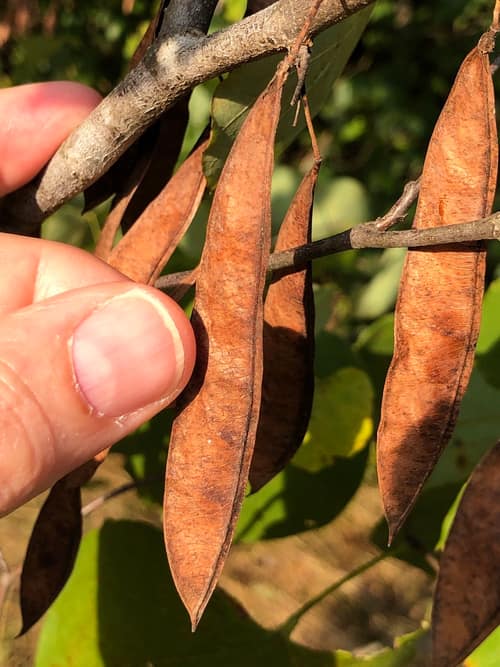
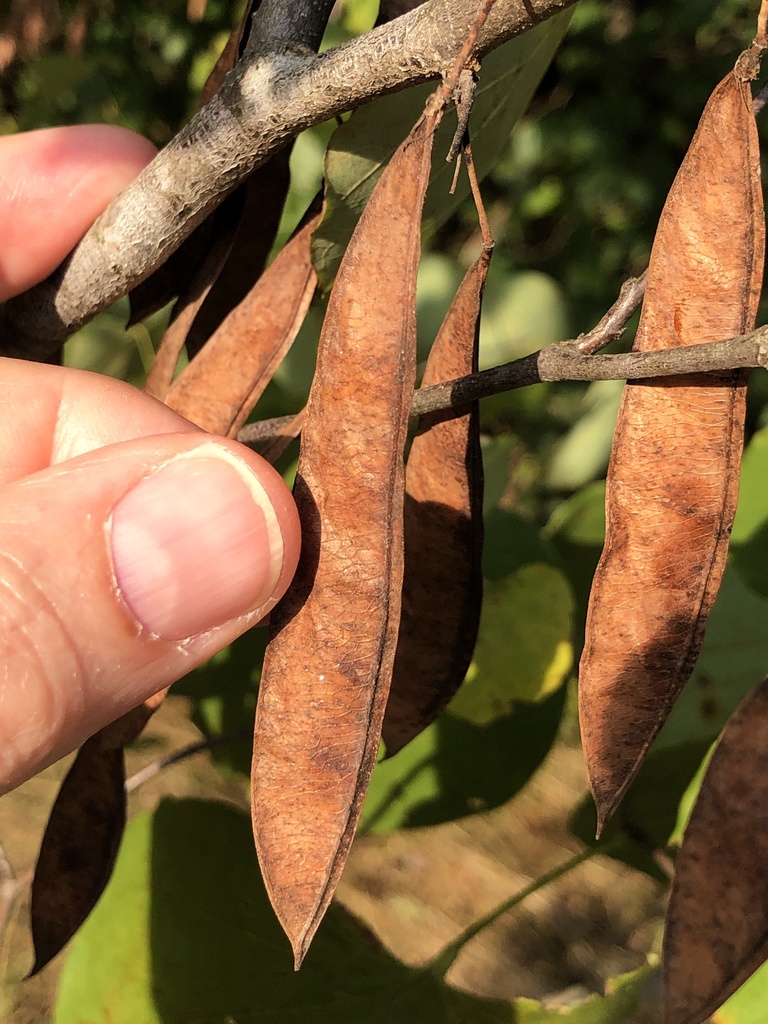
—observations
—countries
—peak records
Least ConcernConservation statusIUCN Red List categoriesLCNTVUENCREWEXLeast ConcernRed List categories, explained →
Diet & prey
- Autotrophic (Photosynthesis)
Predators
- White-tailed Deer
- Leafcutter Bees
- Eastern Tent Caterpillar
ThreatsVerticillium wilt, botryosphaeria canker, wood-boring insects
HabitatsDeciduous forests, woodland margins, stream banks, urban landscapes
Life span50–75 years
Classification
- OrderFabales
- FamilyFabaceae
- GenusCercis
- SpeciesCercis canadensis
Range data is not available yet.
Interaction riskLow
- Low
- Moderate
- High
- Very high
- Why interaction risk is low
- Safe to observe at a normal distance.
Responsible observation
- Spring Observation: Look for bright pink buds erupting directly from mature trunk bark in early spring.
- Garden Placement: Plant in well-draining soil with partial shade to full sun for maximum bloom density.
- Foliage Inspection: Watch for leafcutter bees harvesting neat, circular cutouts from the heart-shaped leaves.
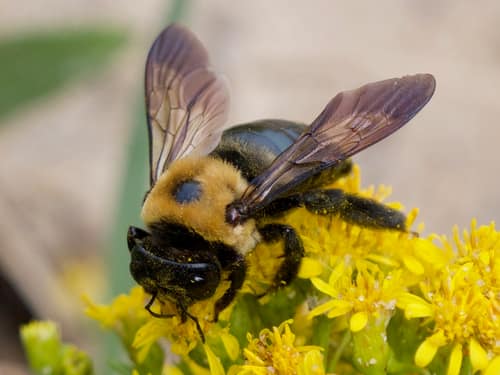
Pollinator (c) Christopher Eliot, some rights reserved (CC BY), uploaded by Christopher Eliot · cc-by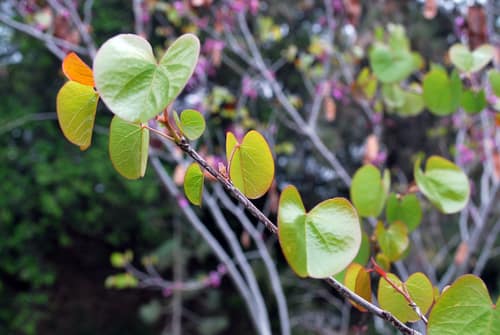
Close Relative (c) Bri Weldon, some rights reserved (CC BY) · cc-by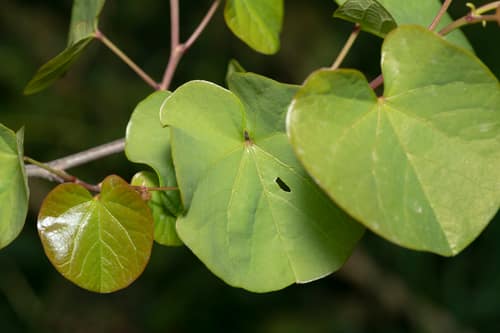
Close Relative (c) Eleftherios Katsillis, some rights reserved (CC BY), uploaded by Eleftherios Katsillis · cc-by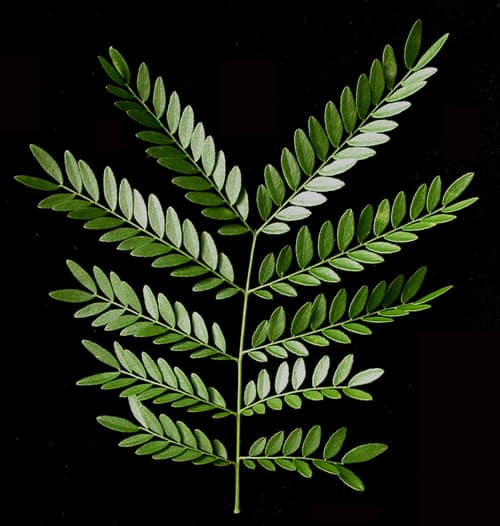
Family Member (c) Ayotte, Gilles, 1948-, some rights reserved (CC BY-SA) · cc-by-sa
Help improve the field guideSomething wrong?
Checking your Fauna account…Report a name, category, or profile issue for review.