
Plant
Cutleaf Groundcherry
Physalis angulataAlso known as Angular Winter Cherry, Camapu, Mullaca, Gooseberry
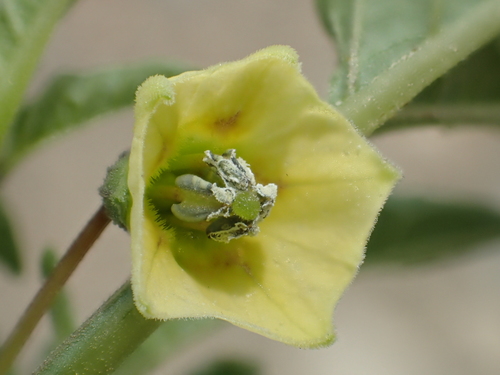
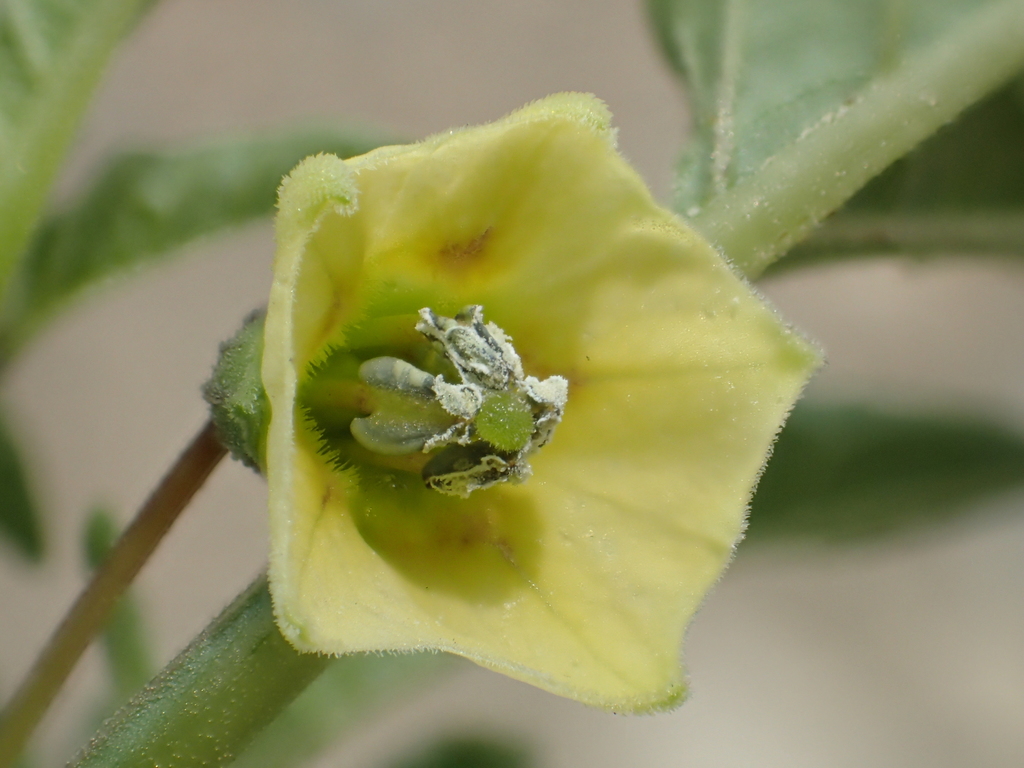
Cutleaf groundcherry is a fast-growing annual herb recognized by its angled stems and delicate, nodding pale yellow blossoms. As pollination concludes, the calyx inflates dramatically to enclose the developing berry inside an airy, ribbed lantern that protects the fruit from pests and weather. Adapted to disturbed soils and agricultural edges, this resilient nightshade disperses its seeds widely via wildlife and human movement throughout warm regions across the globe.
HerbaceousFloweringAnnual
—observations
—countries
—peak records
Least ConcernConservation statusIUCN Red List categoriesLCNTVUENCREWEXLeast ConcernRed List categories, explained →
Diet & preyAutotrophic (photosynthetic)
Predators
- Tobacco Hornworm
- Colorado Potato Beetle
- Flea Beetle
ThreatsHerbicides, intensive weeding, and competitive displacement by other invasive weeds
HabitatsDisturbed ground, agricultural fields, roadsides, and open tropical scrub
Life span1 year (annual)
Classification
- OrderSolanales
- FamilySolanaceae
- GenusPhysalis
- SpeciesPhysalis angulata
Range data is not available yet.
Interaction riskHigh
- Low
- Moderate
- High
- Very high
- Why interaction risk is high
- Foliage and unripe berries contain toxic alkaloids, and wild berries have toxic look-alikes; never ingest based on app identification alone.
- Why it is dangerous
- Leaves, stems, and unripe green berries contain solanine and physalin alkaloids that induce abdominal pain, vomiting, and diarrhea in humans and pets.
- How to recognize a risky encounter
- Look for dark green, angularly toothed leaves, hollow five-ribbed husks, and pale yellow flowers with small brownish centers.
- What to do
- Admire the delicate lanterns without picking the fruit, and wash hands thoroughly after managing plants in gardens.
Responsible observation
- Field Examination: Gently squeeze the papery lantern to feel the developing berry inside without tearing the delicate husk.
- Pet Safety: Keep curious dogs and cats from chewing on the foliage or green fruit, which can cause digestive upset.
- Habitat Scouting: Look for these plants in sunny garden margins, fallow farm rows, and sandy riverbank soils.
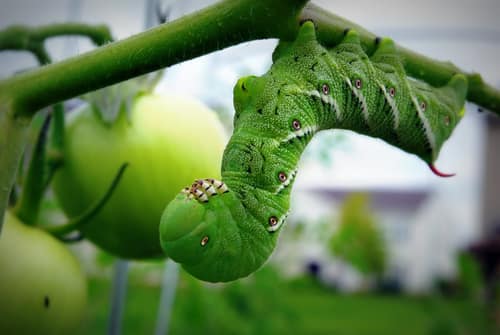
Predator "Tobacco Hornworm Caterpillar" by cbede is licensed under CC BY 2.0. To view a copy of this license, visit https://creativecommons.org/licenses/by/2.0/. · cc-by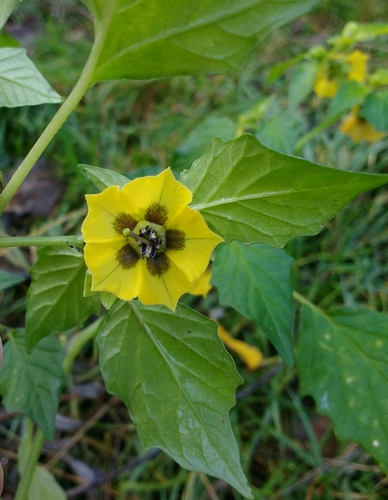
Close Relative (c) carnifex, some rights reserved (CC BY), uploaded by carnifex · cc-by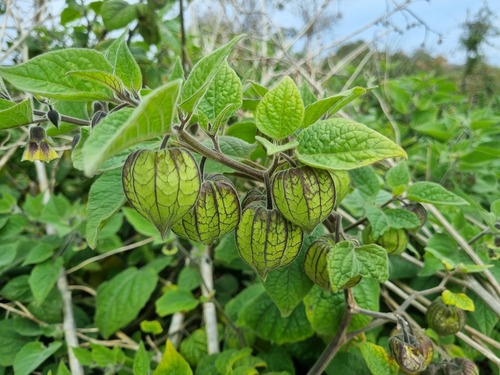
Close Relative (c) Cesar Ormazabal, some rights reserved (CC BY), uploaded by Cesar Ormazabal · cc-by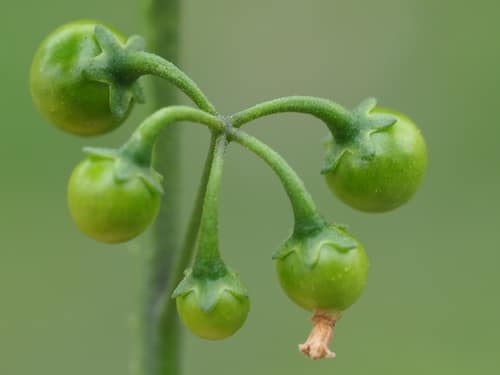
Same Family no rights reserved, uploaded by 葉子 · cc0
Help improve the field guideSomething wrong?
Checking your Fauna account…Report a name, category, or profile issue for review.