
Insect · GBIF taxon 1863978
Carolina Sphinx
Manduca sextaAlso known as Tobacco Hornworm Moth, Six-Spotted Hawk Moth, Tobacco Sphinx
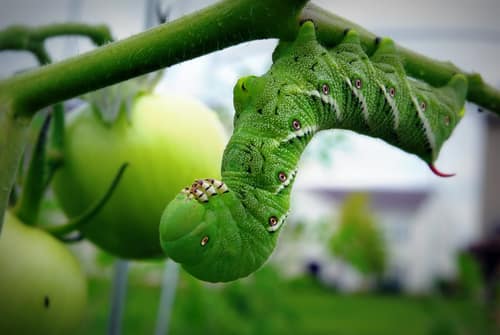
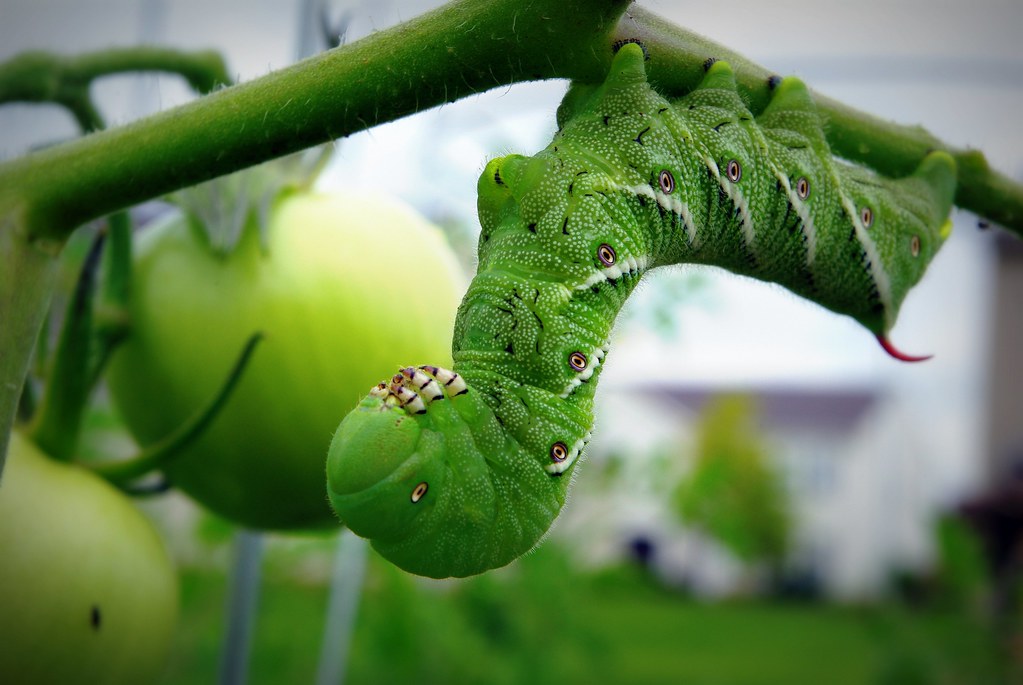
Carolina sphinx moths feature broad brownish-grey wings marked with six distinct pairs of orange spots along the abdomen. Adults hover deftly over night-blooming flowers at dusk to drink nectar with long, coiled proboscises, playing a vital role as nocturnal pollinators. Their bright green larvae, commonly known as tobacco hornworms, feed heavily on leaves of the nightshade family before burrowing underground to pupate.
NocturnalPollinatorMoth
—observations
—countries
—peak records
Not EvaluatedConservation statusIUCN Red List categoriesLCNTVUENCREWEXNot Evaluated — not placed on the risk ladderRed List categories, explained →
Diet & prey
- Flower Nectar
- Tomato Leaves
- Tobacco Leaves
Predators
- Braconid Wasps
- Bats
- Birds
ThreatsPesticides, soil tilling, and parasitic wasps
HabitatsAgricultural fields, gardens, meadows, and scrublands
Life span2–3 weeks (adults); 30–50 days total life cycle
Size / weightNot available
Classification
- OrderLepidoptera
- FamilySphingidae
- GenusManduca
- SpeciesManduca sexta
Range data is not available yet.
Interaction riskLow
- Low
- Moderate
- High
- Very high
- Why interaction risk is low
- Safe to observe at a normal distance.
Responsible observation
- Dusk Observing: Watch near deep-throated flowers like petunias and moonflowers around twilight.
- Garden Inspection: Search tomato or pepper plants for larvae with prominent diagonal white side stripes.
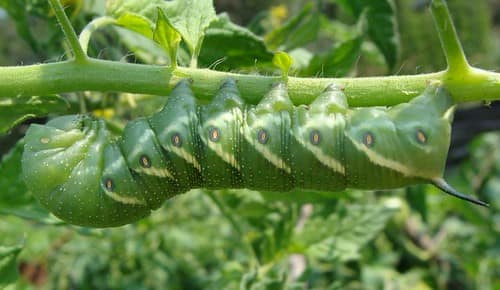
Close Relative "Tomato Hornworm" by Hillbraith is marked with Public Domain Mark 1.0. To view the terms, visit https://creativecommons.org/publicdomain/mark/1.0/. · cc0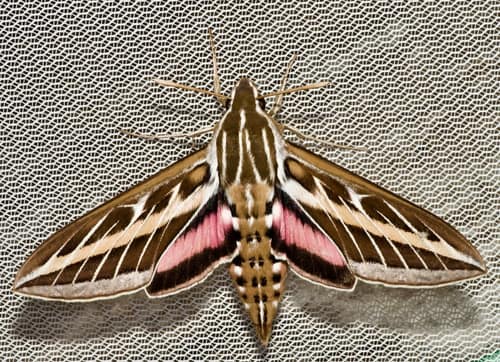
Family Member (c) Michelle W. (鍾偉瑋), some rights reserved (CC BY), uploaded by Michelle W. (鍾偉瑋) · cc-by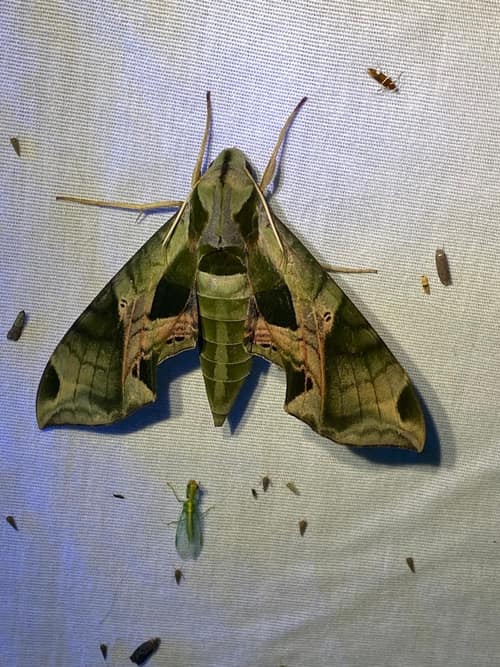
Family Member (c) David George, some rights reserved (CC BY), uploaded by David George · cc-by
Keep collecting in Fauna
Found in Collections
Species set
Moonlight Marvels
Carolina Sphinx is found in this collection. Identify it in Fauna to fill this slot and continue your progress.
—/7
Help improve the field guideSomething wrong?
Checking your Fauna account…Report a name, category, or profile issue for review.