
Plant · GBIF taxon 5341423
Lemon Beebalm
Monarda citriodoraAlso known as Lemon Mint, Purple Horsemint, Lemon Bergamot, Plains Horsemint
Lemon beebalm forms vibrant, tiered whorls of pale purple to pink blooms encased by leafy purple bracts throughout sunny prairies and roadsides. Crushing its aromatic foliage releases a strong citrus perfume rich in essential oils that deter pests while luring dense swarms of long-tongued bees, butterflies, and hummingbirds. As an annual herb native to southern North America, it thrives in dry, gravelly soils where few other wild mints survive.
AromaticFloweringPollinator Magnet
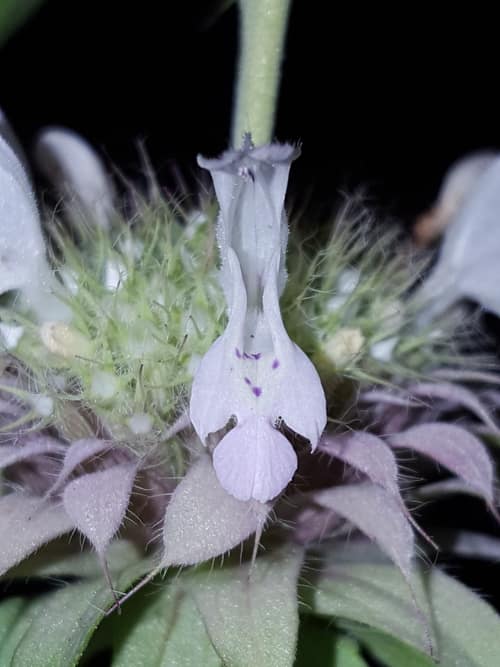
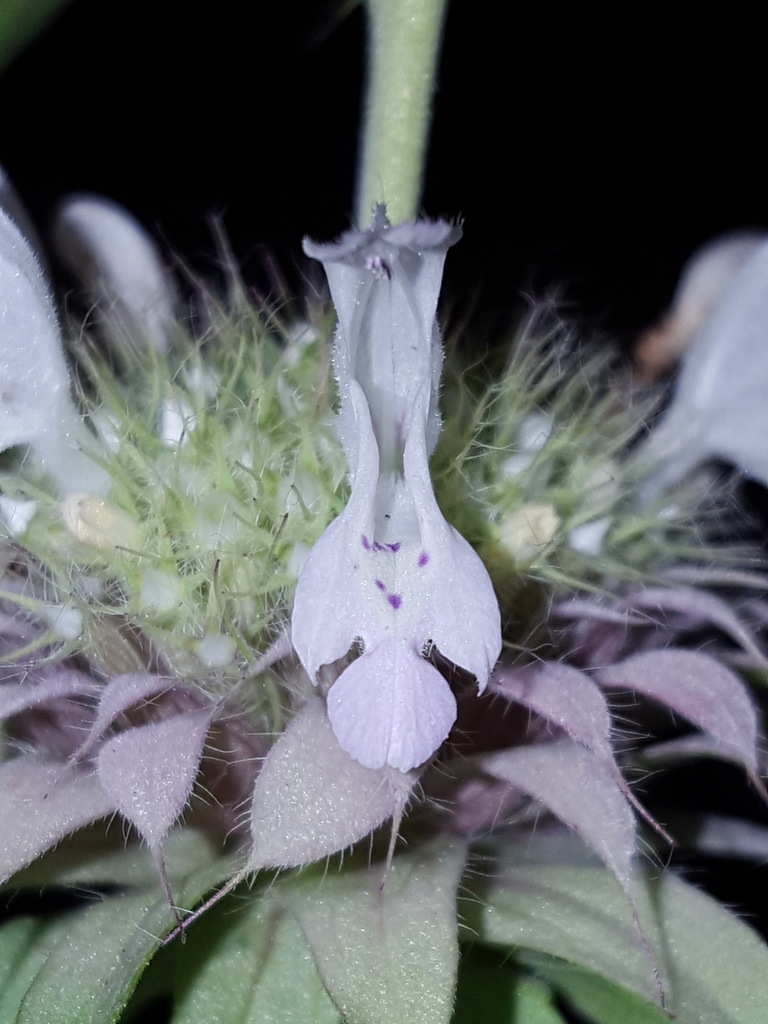
—observations
—countries
—peak records
Not EvaluatedConservation statusIUCN Red List categoriesLCNTVUENCREWEXNot Evaluated — not placed on the risk ladderRed List categories, explained →
Diet & prey
- Autotrophic
Predators
- Grasshoppers
- Caterpillars
ThreatsHabitat loss, intensive herbicide application
HabitatsPrairies, pastures, roadsides, disturbed soils, open woodlands
Life spanAnnual to short-lived perennial
Classification
- FamilyLamiaceae
- SpeciesMonarda citriodora
Range data is not available yet.
Interaction riskLow
- Low
- Moderate
- High
- Very high
- Why interaction risk is low
- Safe to observe at a normal distance.
Responsible observation
- Leaf Rub: Gently press the leaves between fingers to trigger the distinct lemon scent without snapping the stem.
- Observation: Stand quietly near flowering stalks on warm summer days to watch native bees collect nectar.
- Garden Planting: Scatter seeds in full sun and fast-draining soil for a drought-tolerant pollinator garden.
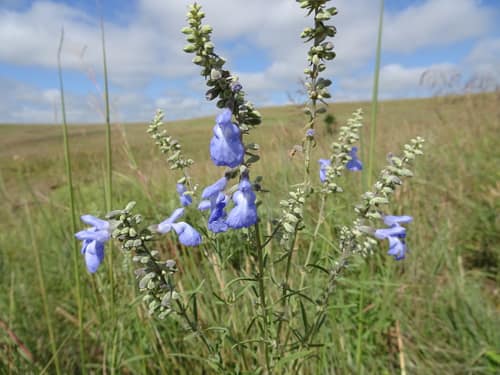
Frequent Companion (c) Thomas Koffel, some rights reserved (CC BY), uploaded by Thomas Koffel · cc-by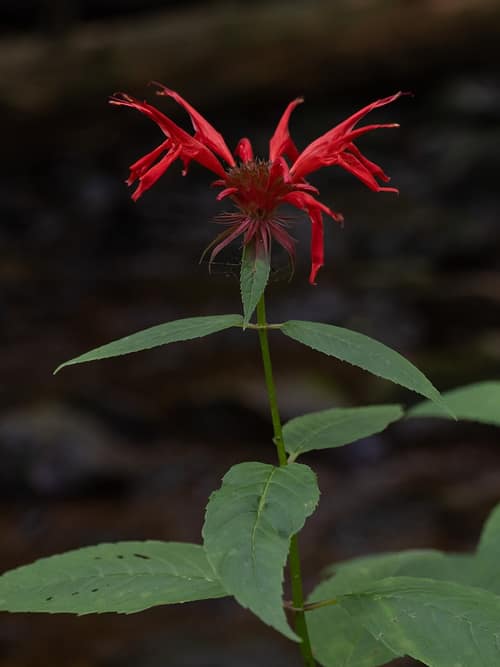
Close Relative Alex Abair / CC BY 4.0 · cc-by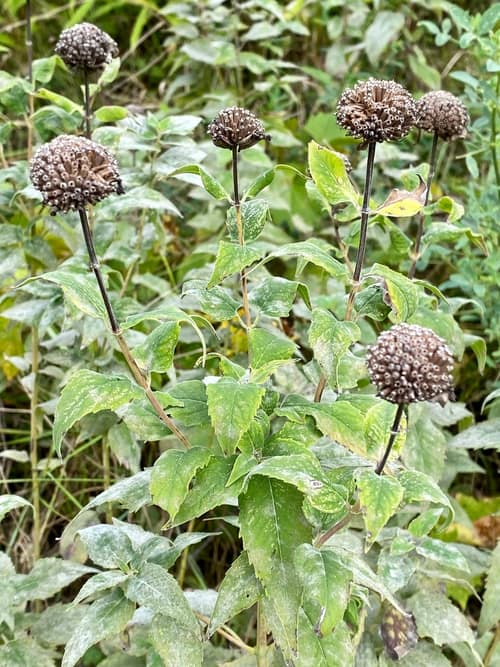
Close Relative (c) tzeducation, some rights reserved (CC BY), uploaded by tzeducation · cc-by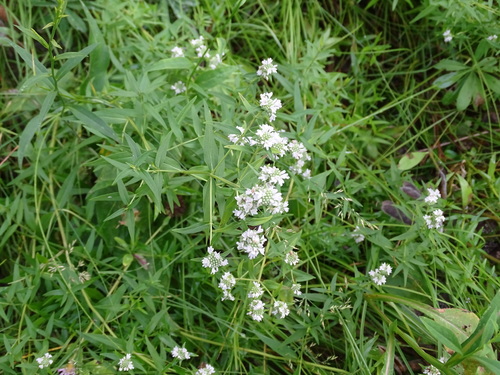
Family Member no rights reserved · cc0
Help improve the field guideSomething wrong?
Checking your Fauna account…Report a name, category, or profile issue for review.