
Plant
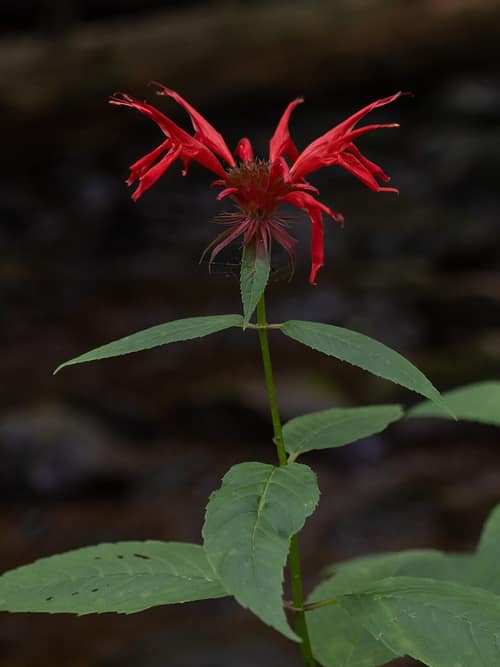
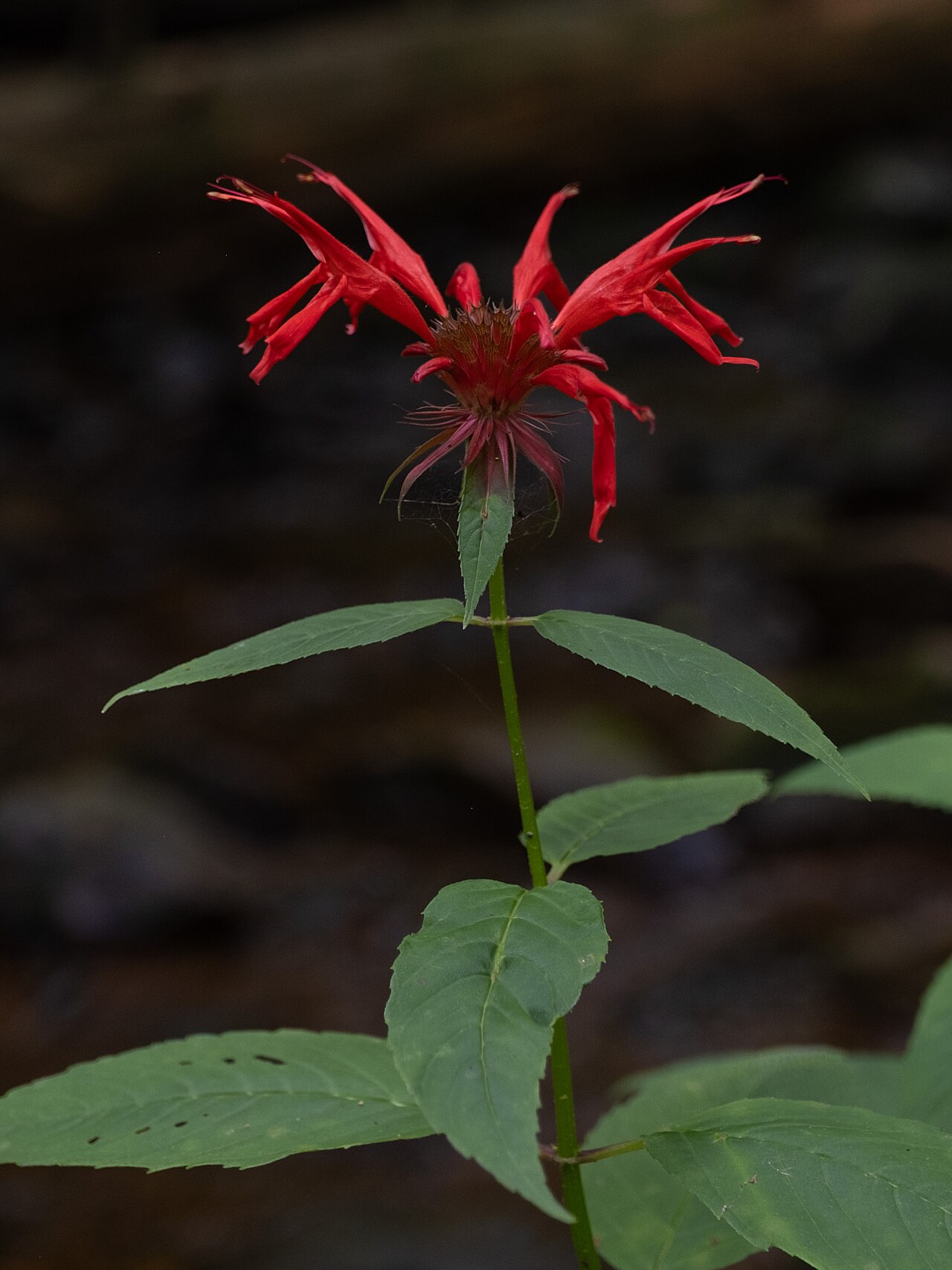
Scarlet Beebalm
Monarda didymaAlso known as Crimson Beebalm, Oswego Tea, Scarlet Monarda, Bergamot
Scarlet beebalm produces vibrant crimson flower heads atop square stems characteristic of the mint family. Hummingbirds and long-tongued butterflies rely heavily on its tubed blossoms for high-energy nectar during peak summer bloom. Indigenous peoples brewed the fragrant foliage into herbal infusions, giving rise to several of its historic names.
FloweringAromaticPollinator Magnet
—observations
—countries
—peak records
Least ConcernConservation statusIUCN Red List categoriesLCNTVUENCREWEXLeast ConcernRed List categories, explained →
Diet & preySunlight, Water, Soil Nutrients
Predators
- Slugs
- Aphids
- Spider Mites
ThreatsHabitat destruction, powdery mildew, invasive weeds
HabitatsMoist woods, stream banks, floodplains, wet meadows
Life spanPerennial (5–10+ years via rhizomes)
Classification
- OrderLamiales
- FamilyLamiaceae
- GenusMonarda
- SpeciesMonarda didyma
Range data is not available yet.
Interaction riskLow
- Low
- Moderate
- High
- Very high
- Why interaction risk is low
- Safe to observe at a normal distance.
Responsible observation
- Garden Care: Plant in moist, well-draining soil with good air circulation to reduce powdery mildew.
- Observation: Watch for hummingbirds hovering around the tubular blossoms during peak summer.
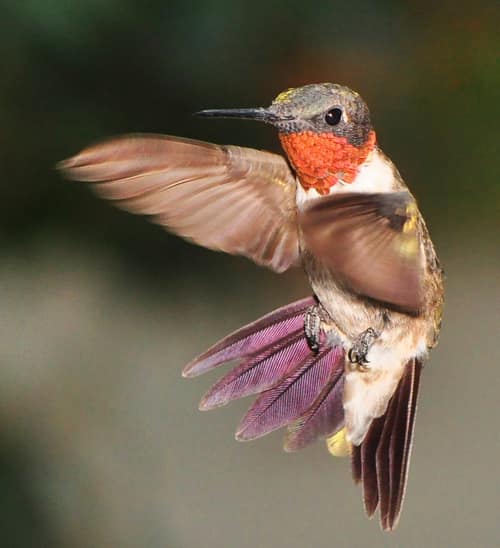
Pollinator jeffreyw / CC BY 2.0 · cc-by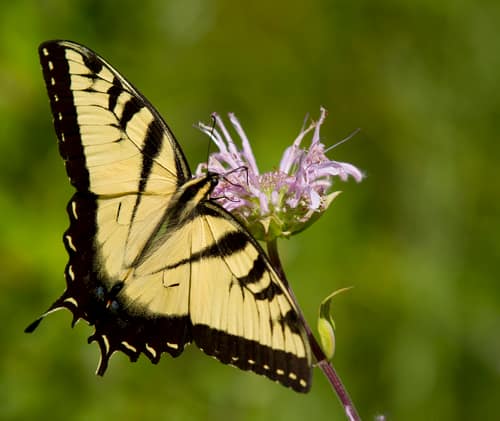
Pollinator "Eastern Tiger Swallowtail" by ShenandoahNPS is marked with Public Domain Mark 1.0. To view the terms, visit https://creativecommons.org/publicdomain/mark/1.0/. · cc0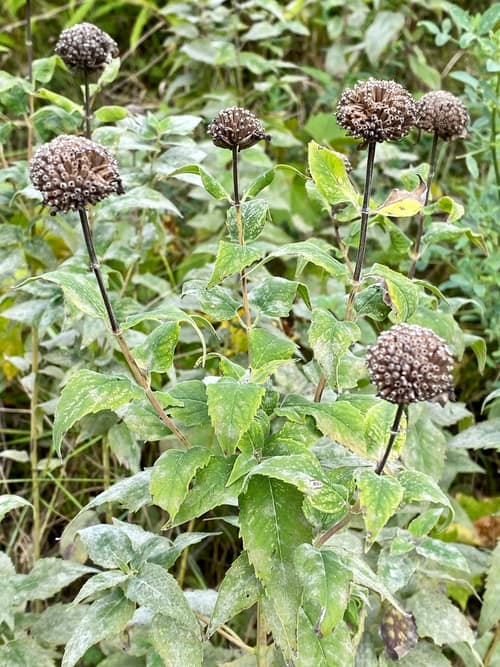
Close Relative (c) tzeducation, some rights reserved (CC BY), uploaded by tzeducation · cc-by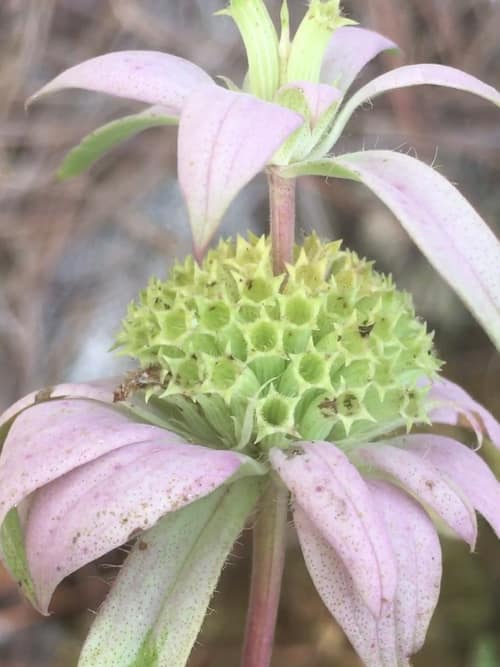
Close Relative no rights reserved, uploaded by Becky Dill · cc0
Help improve the field guideSomething wrong?
Checking your Fauna account…Report a name, category, or profile issue for review.