
Plant · GBIF taxon 5341129
American Beautyberry
Callicarpa americanaAlso known as French Mulberry, Spanish Mulberry, Sourbush
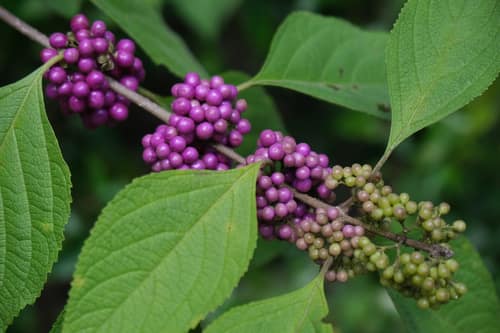
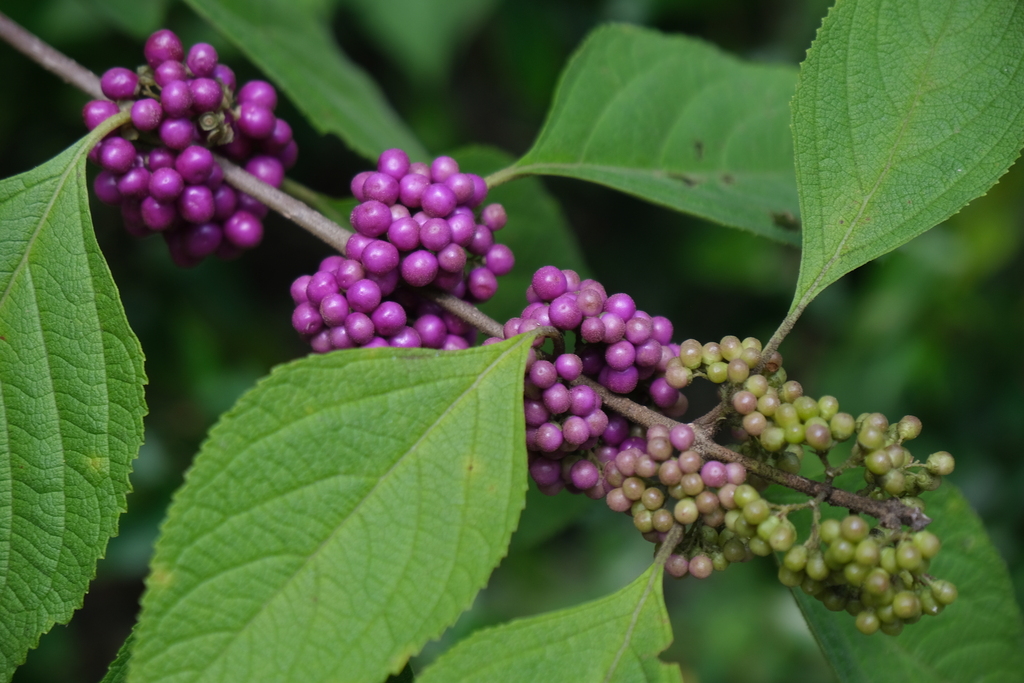
American beautyberry stands out in autumn with vibrant, tightly packed clusters of iridescent purple berries wrapped around its arching stems. Found throughout open pine woods, thickets, and sunny forest edges, this deciduous shrub drops its foliage in winter while retaining its colorful fruit. Crushed leaves release natural compounds that historically served as a traditional insect repellent for people and livestock.
Deciduous ShrubPurple BerriesNative Plant
 1 / 7
1 / 7—observations
—countries
—peak records
Least ConcernConservation statusIUCN Red List categoriesLCNTVUENCREWEXLeast ConcernRed List categories, explained →
Diet & prey
- Sunlight
- Water
- Soil Nutrients
Predators
- White-tailed Deer
- Northern Cardinal
- American Robin
ThreatsHabitat fragmentation, severe land development
HabitatsOpen woodlands, forest margins, pine flatwoods, coastal thickets
Life span10–20 years
Classification
- OrderLamiales
- FamilyLamiaceae
- GenusCallicarpa
- SpeciesCallicarpa americana
Range data is not available yet.
Interaction riskLow
- Low
- Moderate
- High
- Very high
- Why interaction risk is low
- Wild berries have toxic look-alikes; never eat based on app identification alone.
Responsible observation
- Crushed Leaf Test: Rub fresh leaves to release a distinct, pungent aroma that repels mosquitoes.
- Fall Spotting: Look for brilliant violet berry rings circling raw woody stems in autumn.
- Garden Care: Prune back heavily in late winter to encourage vigorous spring growth and dense fruit.
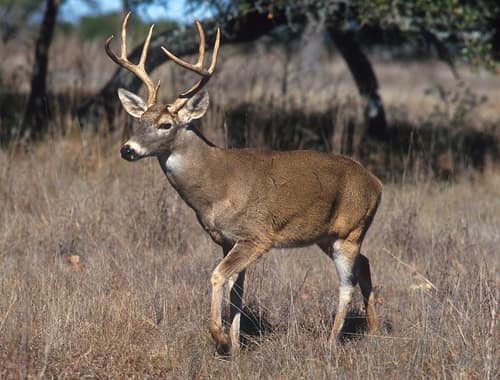
Herbivore USDA photo by Scott Bauer / Public domain · cc0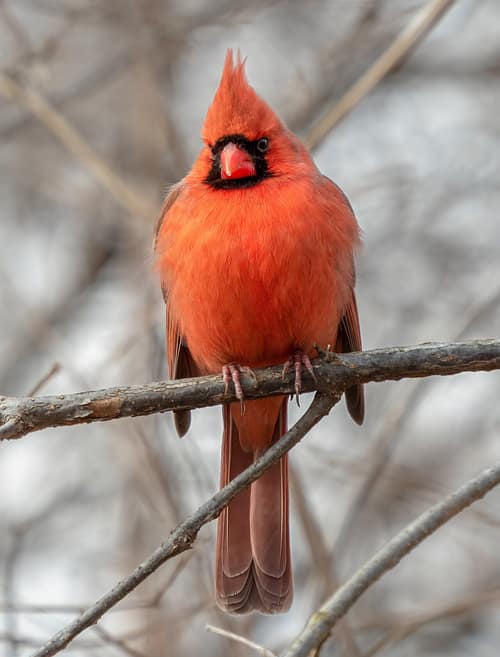
Seed Disperser Rhododendrites / CC BY-SA 4.0 · cc-by-sa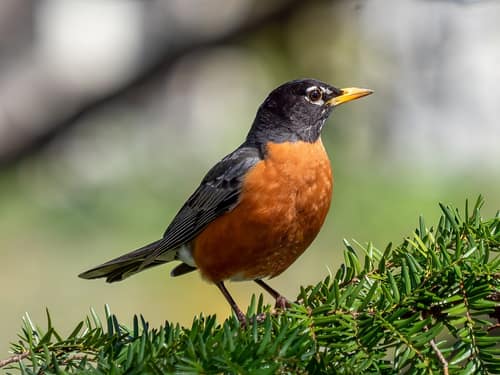
Seed Disperser Rhododendrites / CC BY-SA 4.0 · cc-by-sa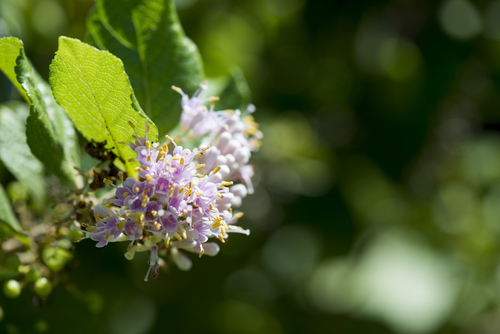
Close Relative (c) Licheng Shih, some rights reserved (CC BY), uploaded by Licheng Shih · cc-by
Help improve the field guideSomething wrong?
Checking your Fauna account…Report a name, category, or profile issue for review.