
Plant
Partridgeberry
Mitchella repensAlso known as Twinberry, Two-Eyed Berry, Running Box
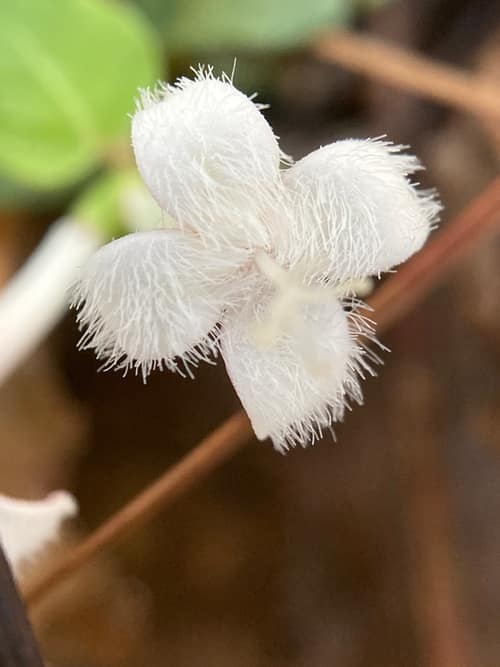
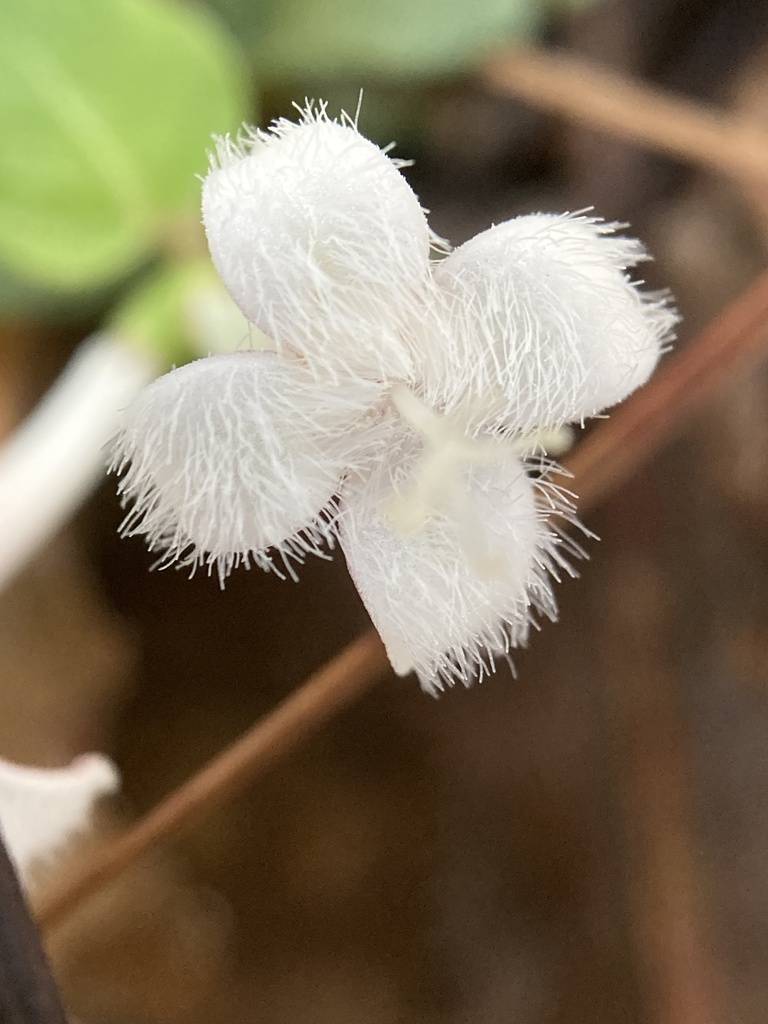
Partridgeberry creeps across shaded forest floors in dense, evergreen mats of dark green, oval leaves accented by pale central veins. In late spring, pairs of fragrant, fuzzy white tubular flowers bloom side by side and fuse at their bases to form a single bright red berry marked with two tiny dimples. These persistent fruits remain on the vine through winter, providing vital food for woodland birds and small mammals.
EvergreenGroundcoverWoodland
—observations
—countries
—peak records
Least ConcernConservation statusIUCN Red List categoriesLCNTVUENCREWEXLeast ConcernRed List categories, explained →
Diet & preySunlight, Soil moisture, Mineral nutrients
Predators
- Ruffed Grouse
- White-tailed Deer
- Eastern Chipmunk
ThreatsHabitat loss from logging and development, deer overbrowsing, and invasive groundcovers
HabitatsMoist deciduous and mixed coniferous forests, shaded slopes, and mossy banks in eastern North America
Life spanPerennial; creeping mats persist for many years
Classification
- OrderGentianales
- FamilyRubiaceae
- GenusMitchella
- SpeciesMitchella repens
Range data is not available yet.
Interaction riskLow
- Low
- Moderate
- High
- Very high
- Why interaction risk is low
- Non-toxic plant, though wild berries have toxic look-alikes; never eat based on app identification alone.
Responsible observation
- Twin Blooms: Look for pairs of fuzzy white flowers fused at the base in late spring.
- Two-Dimpled Fruit: Identify the red berries by the two tiny scars left by the paired flowers.
- Tread Lightly: Stay on trails when photographing, as the shallow trailing stems are easily crushed.
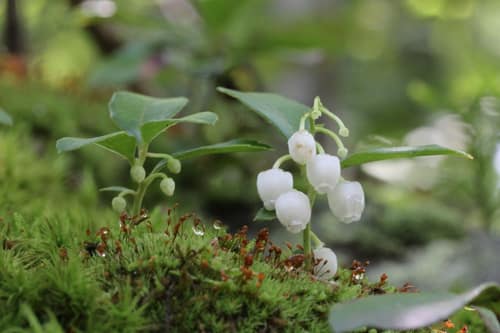
Look-alike (c) Fluff Berger, some rights reserved (CC BY-SA) · cc-by-sa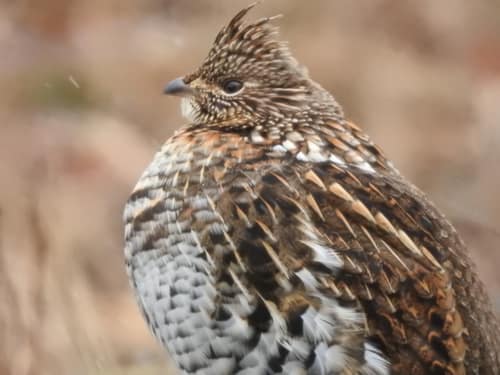
Seed Disperser (c) Alexis Godin, some rights reserved (CC BY), uploaded by Alexis Godin · cc-by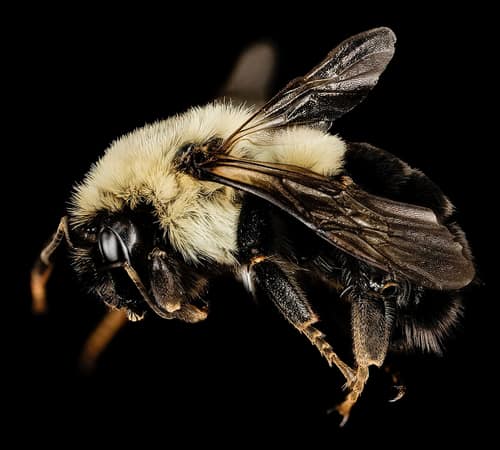
Pollinator USGS Bee Inventory and Monitoring Lab from Beltsville, Maryland, USA / Public domain · cc0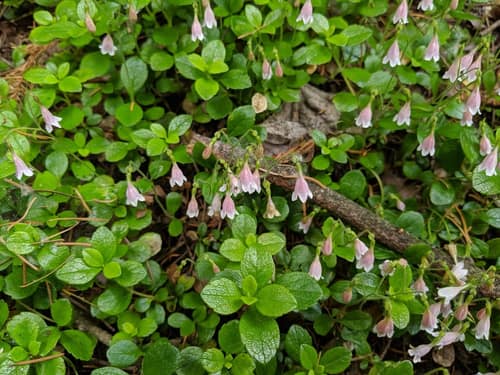
Look-alike (c) Chris Johnson, some rights reserved (CC BY), uploaded by Chris Johnson · cc-by
Help improve the field guideSomething wrong?
Checking your Fauna account…Report a name, category, or profile issue for review.