
Plant
Common Gardenia
Gardenia jasminoidesAlso known as Cape Jasmine, Cape Jessamine
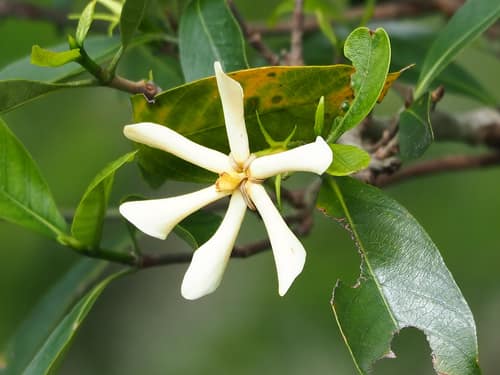
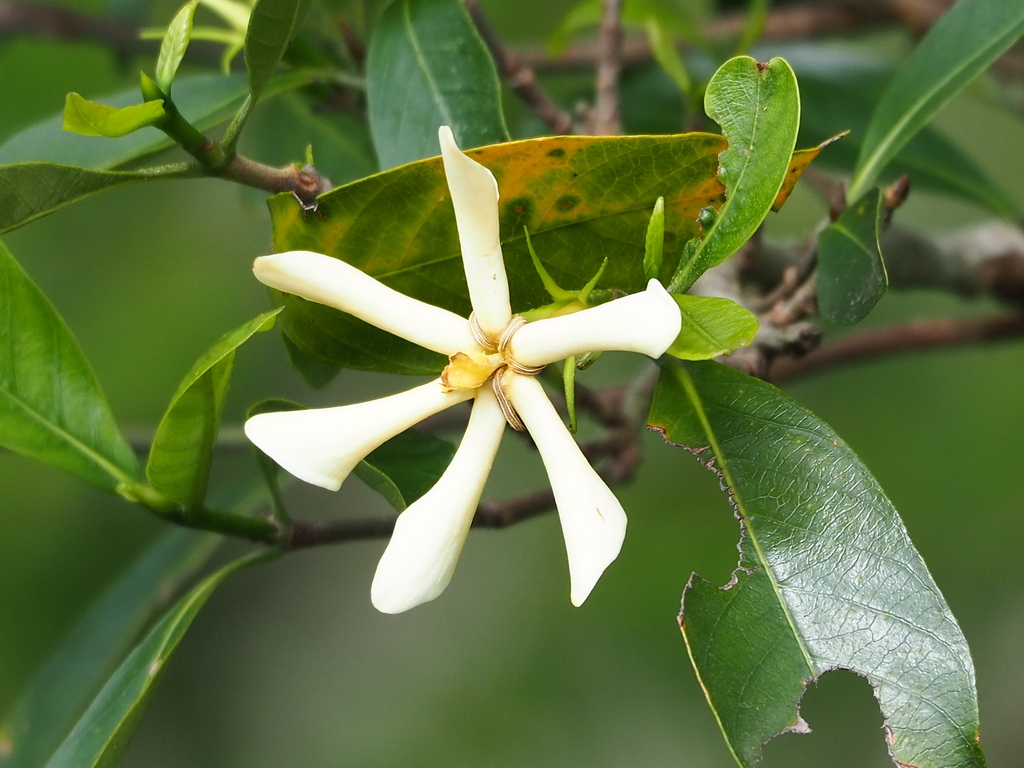
Renowned for intoxicatingly sweet fragrant white blooms, common gardenia thrives as an evergreen shrub throughout subtropical forests and cultivated gardens worldwide. Wax-coated dark green foliage provides year-round structure while setting off heavily scented flowers that transition from pure white to soft cream as they age. In its native Asian habitat, the plant relies on nocturnal pollinators drawn by its intense evening scent.
FragrantEvergreenFlowering
—observations
—countries
—peak records
Least ConcernConservation statusIUCN Red List categoriesLCNTVUENCREWEXLeast ConcernRed List categories, explained →
Diet & preySunlight, Water, Soil nutrients
Predators
- Whiteflies
- Scale insects
- Spider mites
ThreatsHabitat clearance, sap-sucking insect pests, fungal leaf spot
HabitatsSubtropical forests, woodland margins, cultivated gardens
Life span15–50 years
Classification
- OrderGentianales
- FamilyRubiaceae
- GenusGardenia
- SpeciesGardenia jasminoides
Range data is not available yet.
Interaction riskHigh
- Low
- Moderate
- High
- Very high
- Why interaction risk is high
- Toxic to dogs and cats if ingested; keep potted or garden plants out of reach of pets.
- Why it is dangerous
- Contains geniposide and other iridoid glycosides that cause severe gastrointestinal distress, vomiting, and diarrhea in dogs and cats.
- How to recognize a risky encounter
- Look for glossy dark green opposite leaves and exceptionally fragrant white six-lobed or double blossoms.
- What to do
- Keep plants out of reach of pets, and seek immediate veterinary assistance if leaves or flowers are consumed.
Responsible observation
- Pruning: Trim immediately after spring or summer flowering finishes to avoid cutting off next year's emerging flower buds.
- Sunlight Needs: Provide bright indirect sunlight or light morning shade to prevent leaf scorch in hot climates.
- Soil Care: Plant in acidic, well-draining soil rich in organic matter to maintain dark green leaves and vigorous growth.
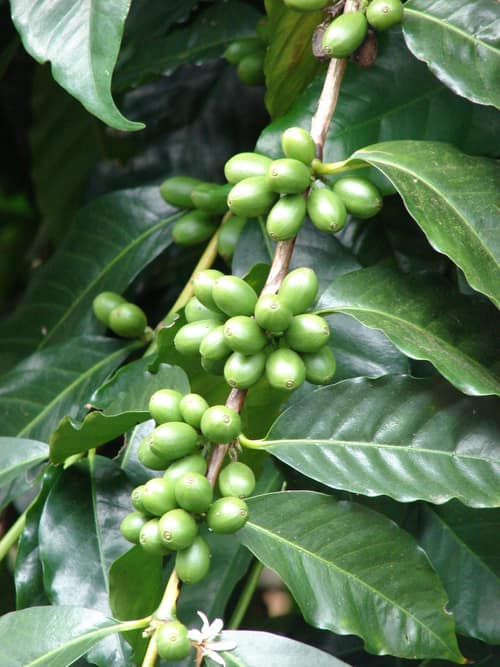
Family Relative (c) Forest and Kim Starr, some rights reserved (CC BY) · cc-by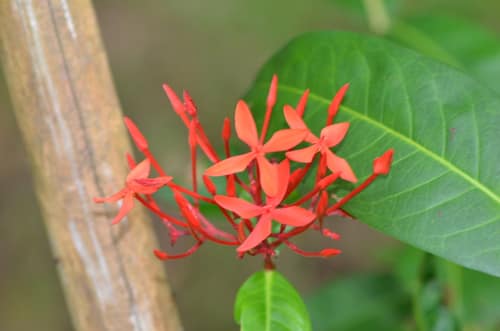
Family Relative (c) Zinogre, some rights reserved (CC BY-SA), uploaded by Zinogre · cc-by-sa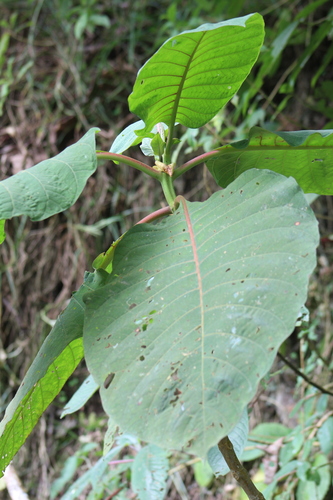
Family Relative (c) GERMAN LEONEL SARMIENTO CRUZ, some rights reserved (CC BY), uploaded by GERMAN LEONEL SARMIENTO CRUZ · cc-by
Help improve the field guideSomething wrong?
Checking your Fauna account…Report a name, category, or profile issue for review.