
Plant
American Fly-honeysuckle
Lonicera canadensisAlso known as Canadian Fly-honeysuckle, Fly-honeysuckle
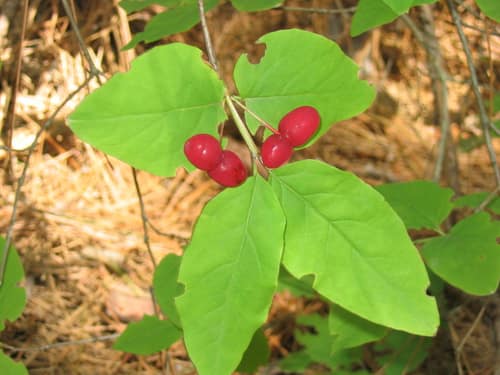
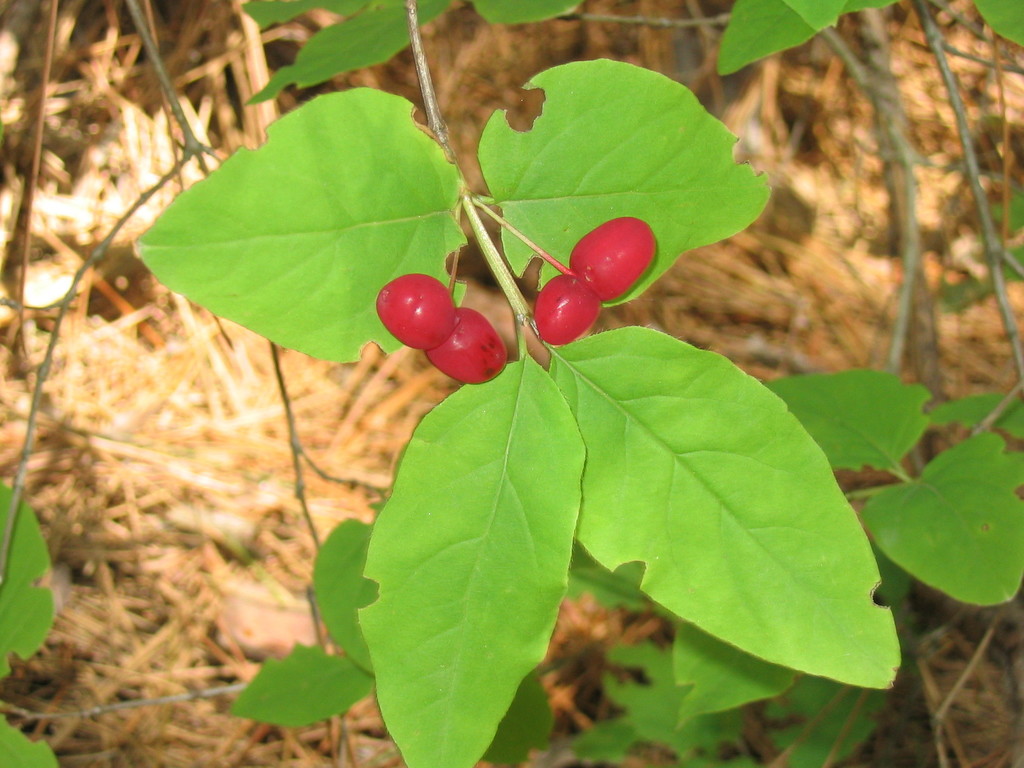
American fly-honeysuckle is an early-leafing deciduous understory shrub that illuminates northern hardwood forests with delicate, paired yellowish-white blossoms dangling in early spring. Its bright red, paired berries ripen by midsummer, providing a valuable food source for nesting songbirds before many other woodland fruits mature. Unlike aggressive invasive bush honeysuckles, its twigs possess solid white pith and an open, airy growth form that integrates peacefully into mature woodland communities.
WoodlandDeciduousNative Shrub
—observations
—countries
—peak records
Least ConcernConservation statusIUCN Red List categoriesLCNTVUENCREWEXLeast ConcernRed List categories, explained →
Diet & preyAutotrophic (photosynthetic)
Predators
- White-tailed Deer
- Eastern Cottontail
- Moose
ThreatsDisplacement by invasive exotic bush honeysuckles, habitat fragmentation, and heavy deer browse
HabitatsMesic deciduous and mixed northern forests, rocky slopes, and ravine margins
Life span15–30 years
Classification
- OrderDipsacales
- FamilyCaprifoliaceae
- GenusLonicera
- SpeciesLonicera canadensis
Range data is not available yet.
Interaction riskHigh
- Low
- Moderate
- High
- Very high
- Why interaction risk is high
- Berries contain mildly toxic compounds and have look-alikes; never eat wild berries based on app identification alone.
- Why it is dangerous
- Berries contain saponins and other mildly toxic glycosides that cause vomiting, stomach cramps, and diarrhea if swallowed.
- How to recognize a risky encounter
- Look for glossy red, paired berries joined at the base and dangling below soft, opposite leaves.
- What to do
- Observe freely along forest trails, but keep pets and young children from chewing the fruit or twigs.
Responsible observation
- Spring Identification: Look for paired, pendulous yellowish-white flowers emerging alongside young leaves in early May.
- Native Checking: Slice a fallen twig to confirm the pith is solid white, distinguishing it from hollow-stemmed invasive honeysuckles.
- Bird Watching: Scan the lower canopy in June and July to spot woodland frugivores feeding on the paired red berries.
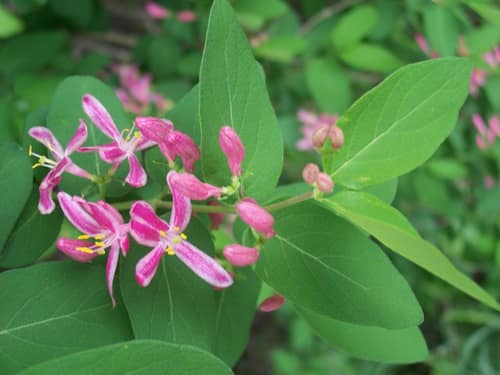
Competitor no rights reserved, uploaded by Dave Behm · cc0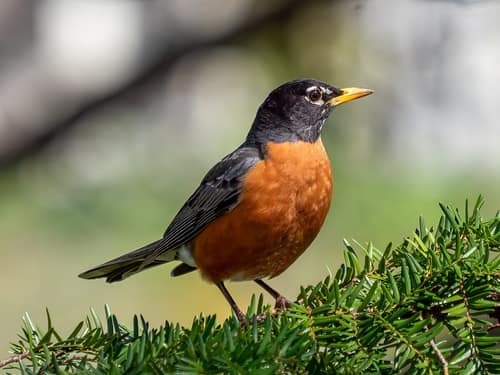
Seed Disperser Rhododendrites / CC BY-SA 4.0 · cc-by-sa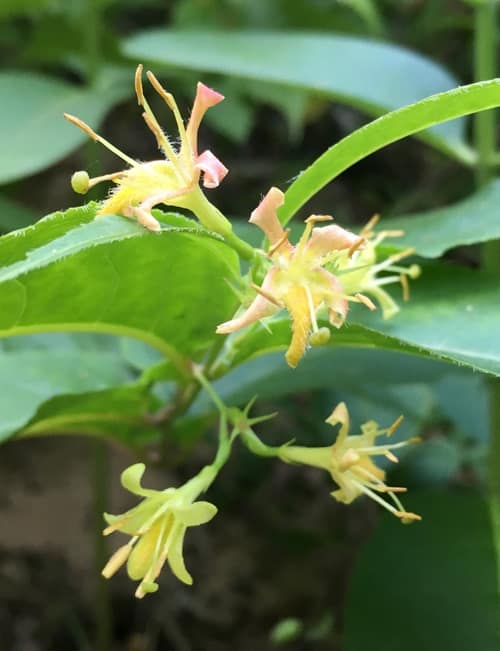
Look-alike (c) Paula Dreeszen, some rights reserved (CC BY), uploaded by Paula Dreeszen · cc-by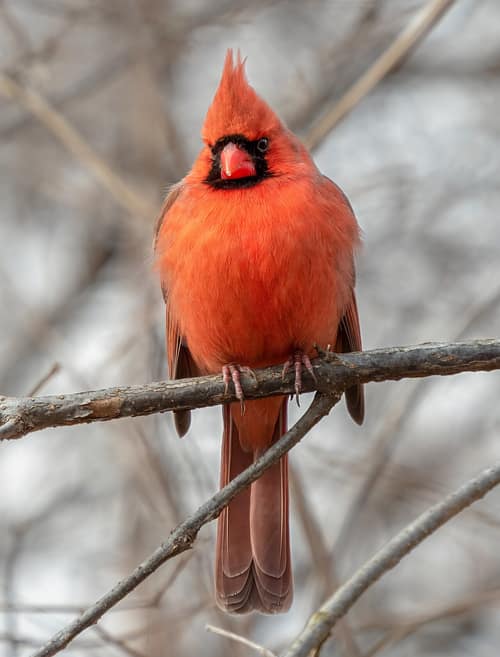
Seed Disperser Rhododendrites / CC BY-SA 4.0 · cc-by-sa
Close Relative (c) Rob Routledge, Sault College, Bugwood.org, some rights reserved (CC BY) · cc-by
Help improve the field guideSomething wrong?
Checking your Fauna account…Report a name, category, or profile issue for review.