
Plant
Japanese Honeysuckle
Lonicera japonicaAlso known as Golden-and-Silver Honeysuckle, Chinese Honeysuckle
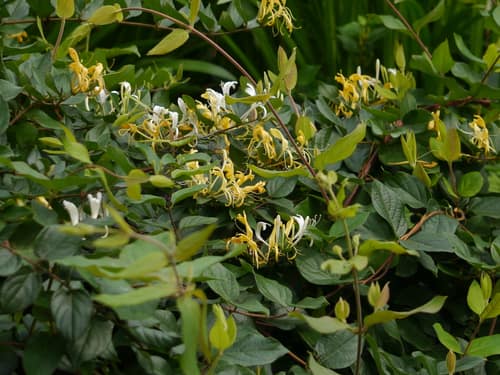
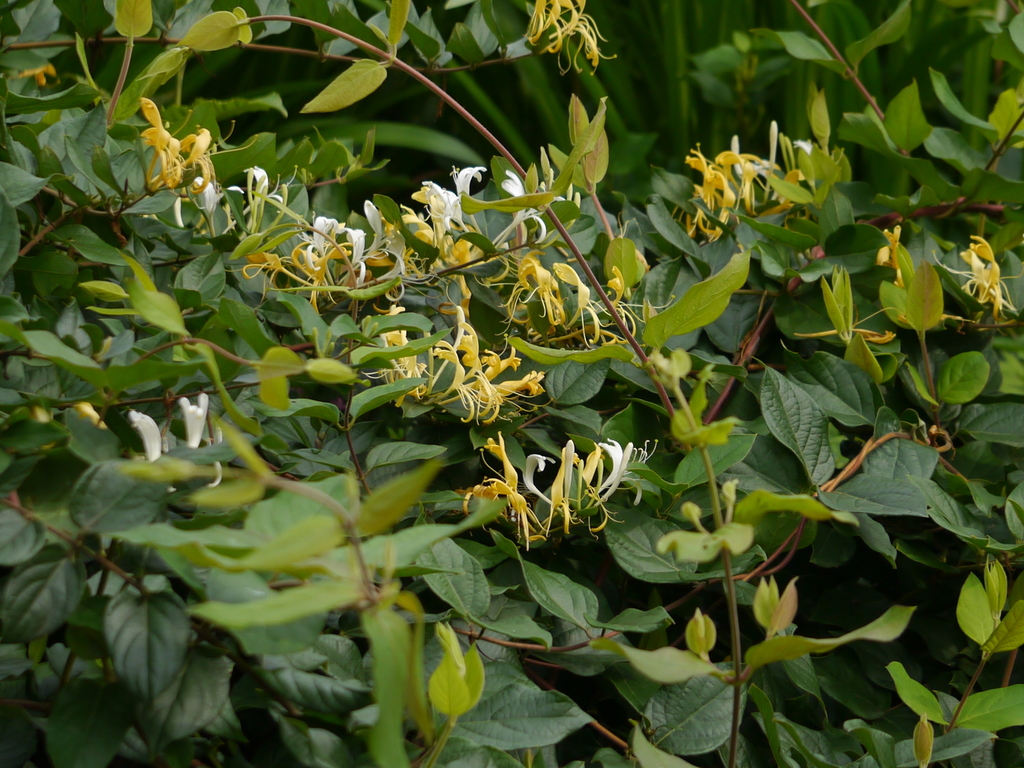
Japanese honeysuckle is a vigorous, twining woody vine that climbs up to 10 meters into forest canopies or forms dense mats across open ground. Its paired tubular flowers open pure white before aging to golden yellow, releasing a sweet fragrance strongest at dusk to attract hawkmoths and bees. In autumn, glossy black berries mature and are dispersed widely by songbirds, fueling its rapid spread outside its native East Asian range.
FragrantClimbing VineInvasive
—observations
—countries
—peak records
Not EvaluatedConservation statusIUCN Red List categoriesLCNTVUENCREWEXNot Evaluated — not placed on the risk ladderRed List categories, explained →
Diet & preySunlight, Water, Soil Minerals
Predators
- White-tailed Deer
- Eastern Cottontail
- Leaf-eating Beetles
ThreatsNo major global threats; aggressively outcompetes native flora in introduced ranges
HabitatsForest edges, woodlands, thickets, roadsides, and disturbed fields
Life spanPerennial; woody stems persist for decades
Classification
- OrderDipsacales
- FamilyCaprifoliaceae
- GenusLonicera
- SpeciesLonicera japonica
Range data is not available yet.
Interaction riskHigh
- Low
- Moderate
- High
- Very high
- Why interaction risk is high
- Berries can cause stomach upset if eaten, and wild berries have toxic look-alikes; never eat based on app identification alone.
- Why it is dangerous
- The black berries contain saponins and bitter compounds that can cause nausea, vomiting, and diarrhea in humans and pets when ingested.
- How to recognize a risky encounter
- Look for opposite oval leaves on twining hairy stems, paired white-to-yellow tubular flowers, and glossy black berries in autumn.
- What to do
- Safe to touch and observe in the field, though avoid eating any berries and keep pets from chewing on the fruit.
Responsible observation
- Scent Timing: Smell the flowers near dusk when their sweet fragrance peaks to attract moths.
- Color Clue: Note how fresh white blooms age to golden yellow on the same vine.
- Invasive Control: Avoid planting in regions where it escapes cultivation and smothers native shrubs.
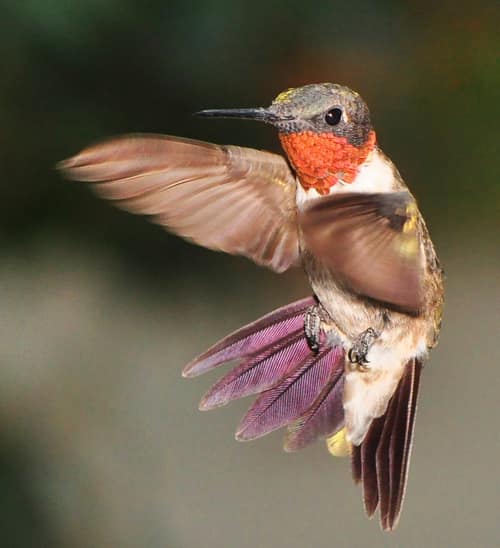
Pollinator jeffreyw / CC BY 2.0 · cc-by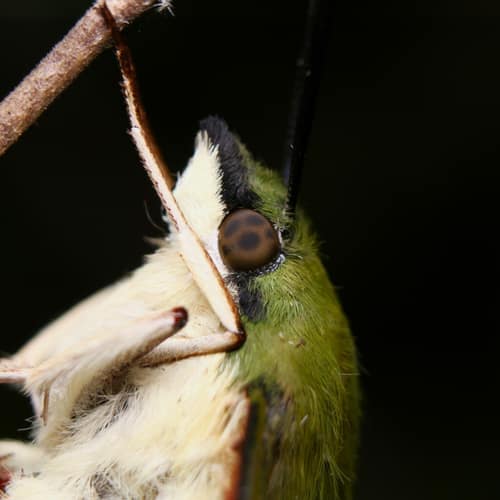
Pollinator (c) Matthew Lindsey, some rights reserved (CC BY) · cc-by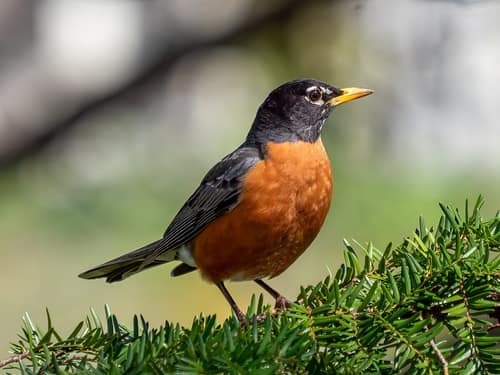
Seed Disperser Rhododendrites / CC BY-SA 4.0 · cc-by-sa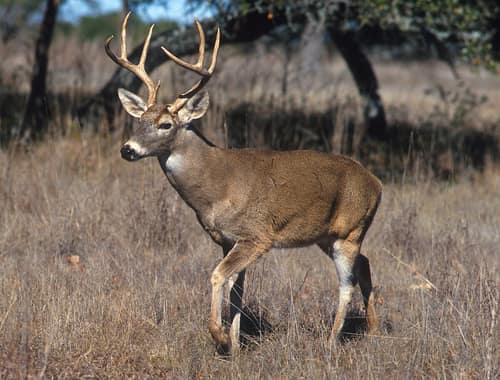
Herbivore USDA photo by Scott Bauer / Public domain · cc0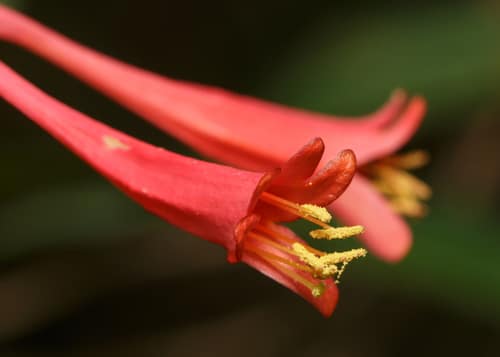
Close Relative (c) Meghan Cassidy, some rights reserved (CC BY-SA), uploaded by Meghan Cassidy · cc-by-sa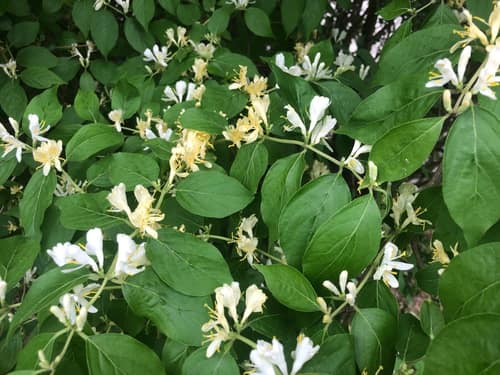
Close Relative (c) Andrew Conboy, some rights reserved (CC BY), uploaded by Andrew Conboy · cc-by
Help improve the field guideSomething wrong?
Checking your Fauna account…Report a name, category, or profile issue for review.