
Plant · GBIF taxon 5332200
Alaska Paper Birch
Betula neoalaskanaAlso known as Alaska Birch, Resin Birch
Alaska paper birch forms a defining canopy component across the vast northern boreal forest, thriving on cold, poorly drained soils underlain by permafrost. Young twigs are densely covered with prominent resinous warts that distinguish the tree from related birches, while mature trunks peel in delicate thin sheets of creamy white to pale reddish bark. In early spring, male catkins shed copious pollen on boreal breezes just before the triangular leaves unfold.
BorealDeciduousCold Hardy
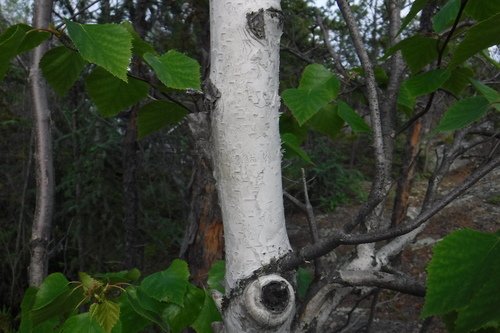
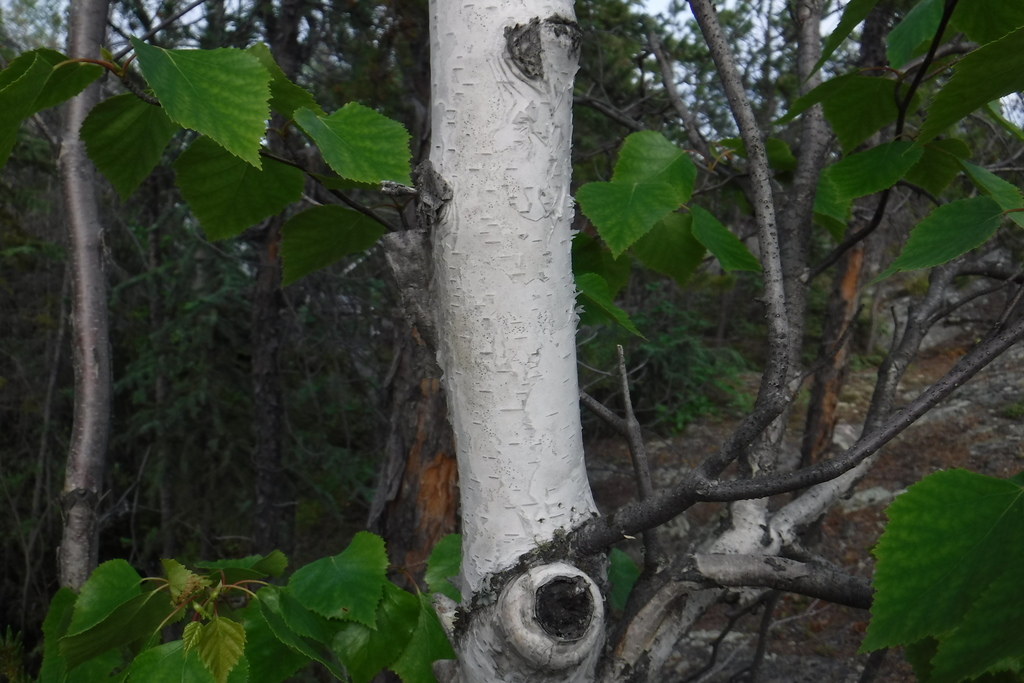
—observations
—countries
—peak records
Least ConcernConservation statusIUCN Red List categoriesLCNTVUENCREWEXLeast ConcernRed List categories, explained →
Diet & prey
- Photoautotrophic (sunlight, atmospheric carbon dioxide, water, and soil minerals)
Predators
- Moose
- Snowshoe Hare
- Birch Leafminer
ThreatsWildfire regime shifts, climate warming, and birch leafminer infestations
HabitatsBoreal forests, muskeg borders, river valleys, and subalpine slopes
Life span80–150 years
Size / weightNot available
Classification
- OrderFagales
- FamilyBetulaceae
- GenusBetula
- SpeciesBetula neoalaskana
Range data is not available yet.
Interaction riskLow
- Low
- Moderate
- High
- Very high
- Why interaction risk is low
- Safe to observe at a normal distance.
Responsible observation
- Bark Identification: Check mature trunks for thin, peeling sheets of white to pale copper bark.
- Twig Inspection: Look closely at young shoots for raised, rough resin glands that feel bumpy.
- Boreal Etiquette: Avoid stripping bark from living trees, as peeling exposes the wood to fatal decay.
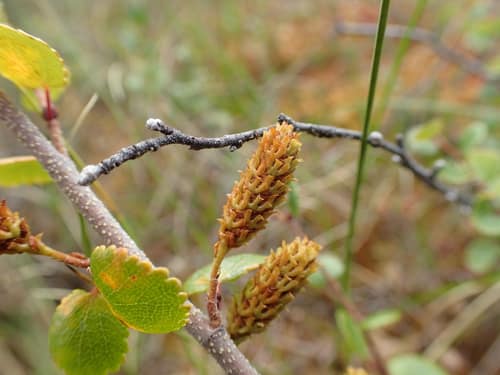
Same Genus (c) Matt Bowser, some rights reserved (CC BY), uploaded by Matt Bowser · cc-by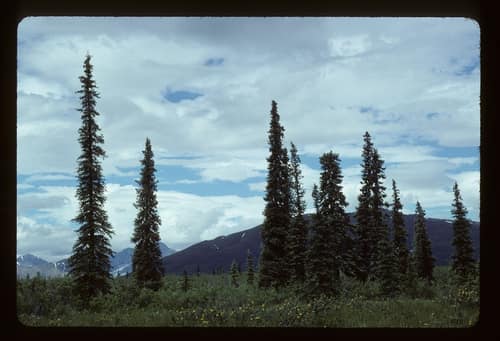
Frequent Companion (c) Douglas Goldman, some rights reserved (CC BY-SA), uploaded by Douglas Goldman · cc-by-sa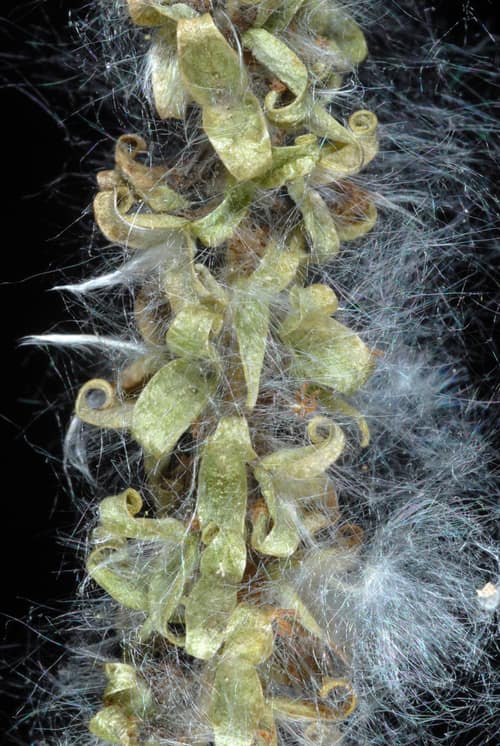
Competitor (c) Douglas Goldman, some rights reserved (CC BY-SA), uploaded by Douglas Goldman · cc-by-sa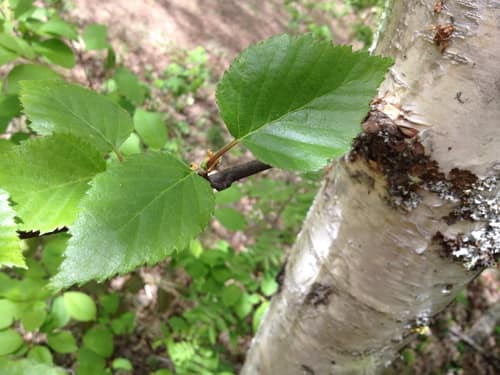
Close Relative no rights reserved, uploaded by Dezene Huber · cc0
Help improve the field guideSomething wrong?
Checking your Fauna account…Report a name, category, or profile issue for review.