
Plant · GBIF taxon 5331099
Largeflower Heartleaf
Hexastylis shuttleworthiiAlso known as Southern Wild Ginger, Appalachian Wild Ginger
Shuttleworth's ginger forms low-growing mats across rich mountain ravines, featuring glossy, heart-shaped leaves adorned with striking silvery veins. Beneath the evergreen foliage, fleshy urn-shaped flowers bloom directly at soil level in mid-spring, emitting a faint yeasty scent to attract ground beetles and ants. The seeds feature lipid-rich appendages that encourage ants to carry them across the forest floor for dispersal.
EvergreenWildflowerWoodland
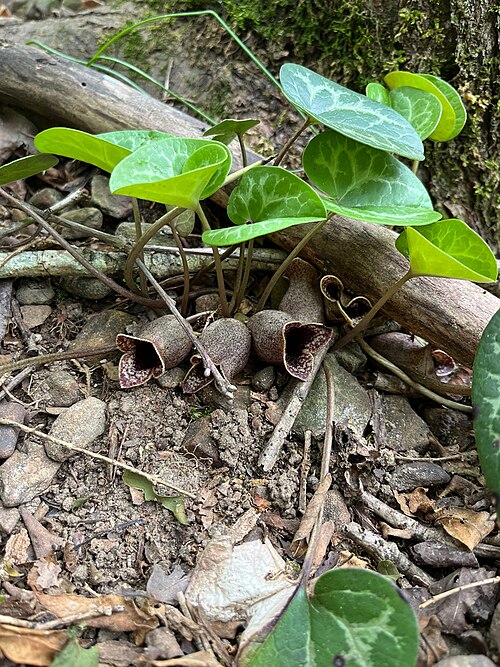
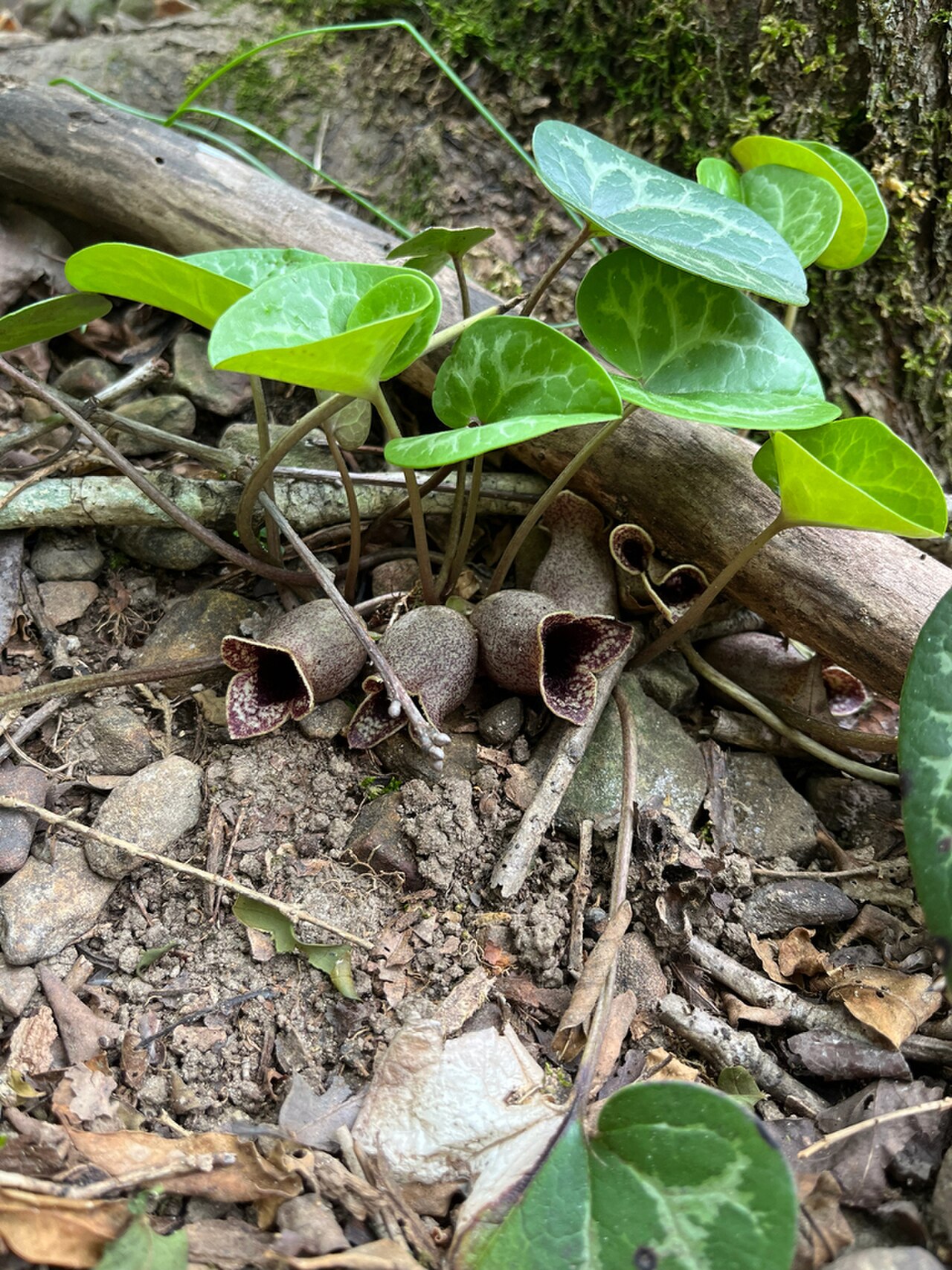
Licensed referenceNShehan / CC0 · cc0
—observations
—countries
—peak records
Not EvaluatedConservation statusIUCN Red List categoriesLCNTVUENCREWEXNot Evaluated — not placed on the risk ladderRed List categories, explained →
Diet & prey
- Autotrophic (Photosynthetic)
Predators
- Slugs
- Snails
- White-Tailed Deer
ThreatsHabitat destruction, forest clearing, wild collection
HabitatsRich acidic forests, mountain ravines, stream banks, moist hardwood slopes
Life spanPerennial (10+ years)
Size / weightNot available
Classification
- OrderPiperales
- FamilyAristolochiaceae
- GenusHexastylis
- SpeciesHexastylis shuttleworthii
Range data is not available yet.
Interaction riskHigh
- Low
- Moderate
- High
- Very high
- Why interaction risk is high
- Contains aristolochic acid, which causes severe kidney damage; never consume wild ginger roots.
- Why it is dangerous
- Contains toxic aristolochic acid, an organic compound known to cause irreversible kidney damage and upper urinary tract cancers if consumed.
- How to recognize a risky encounter
- Recognizable by leathery, evergreen heart-shaped leaves with silver mottling and cup-like reddish-brown flowers on the ground.
- What to do
- Safe to observe and gently handle, but do not harvest or ingest any part of the plant or rhizome.
Responsible observation
- Look Beneath Leaves: Gently lift the evergreen foliage during spring to discover the camouflaged jug flowers.
- Respect Wild Populations: Enjoy these slow-growing woodland wildflowers in place without disturbing the soil or rhizomes.
- Observe Leaf Patterns: Examine the silvery-green veins on the upper leaf surface, which vary widely between individual plants.
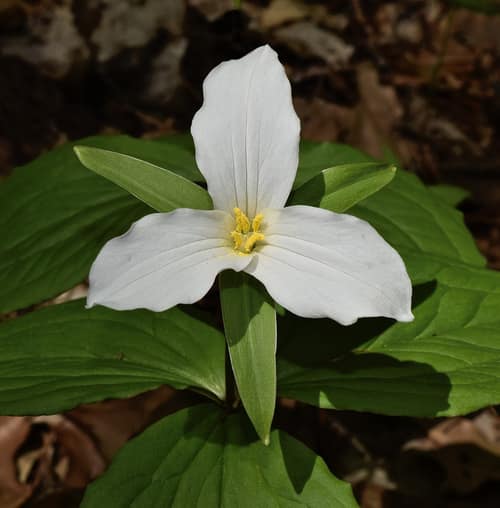
Frequent Companion СССР / CC BY-SA 2.5 ca · cc-by-sa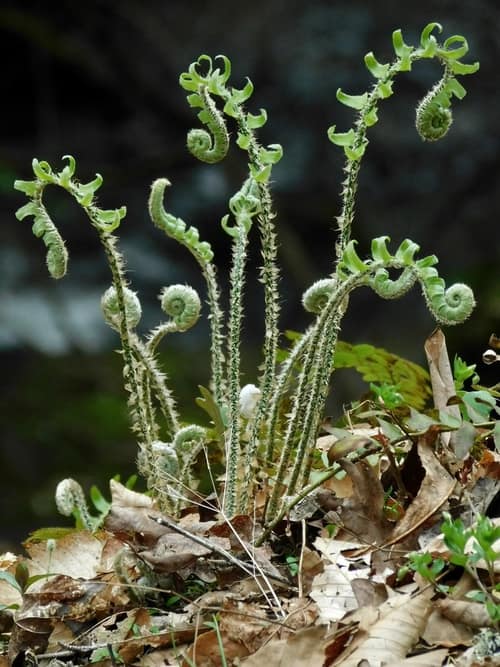
Frequent Companion (c) Michael J. Papay, some rights reserved (CC BY), uploaded by Michael J. Papay · cc-by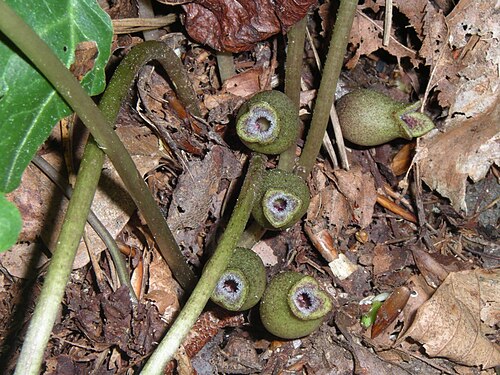
Close Relative Halpaugh (talk) (Uploads) halpaugh@verizon.net / Public domain · cc0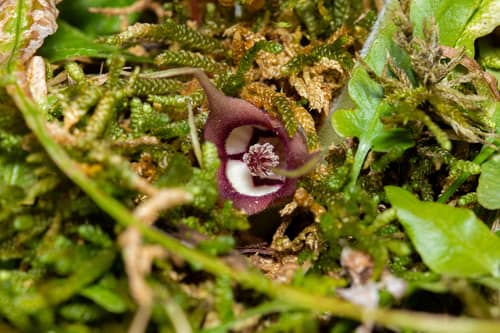
Close Relative (c) Nathan Aaron, some rights reserved (CC BY), uploaded by Nathan Aaron · cc-by
Help improve the field guideSomething wrong?
Checking your Fauna account…Report a name, category, or profile issue for review.