
Plant · GBIF taxon 5330776
Taro
Colocasia esculentaAlso known as Elephant Ear, Dasheen, Eddoe, Kalo
Taro features large, heart-shaped peltate leaves that rise on sturdy stalks from a thick underground corm. Native to tropical Southeast Asia and southern Asia, this ancient plant thrives in marshy soils, flooded agricultural fields, and tropical riverbanks worldwide. All raw plant parts contain microscopic needle-like calcium oxalate crystals that defend against herbivores until properly processed with heat.
TropicalWetlandBroadleaf
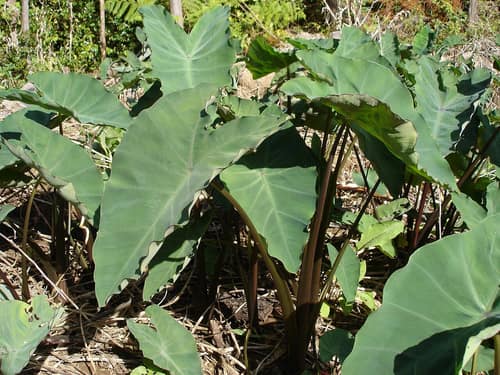
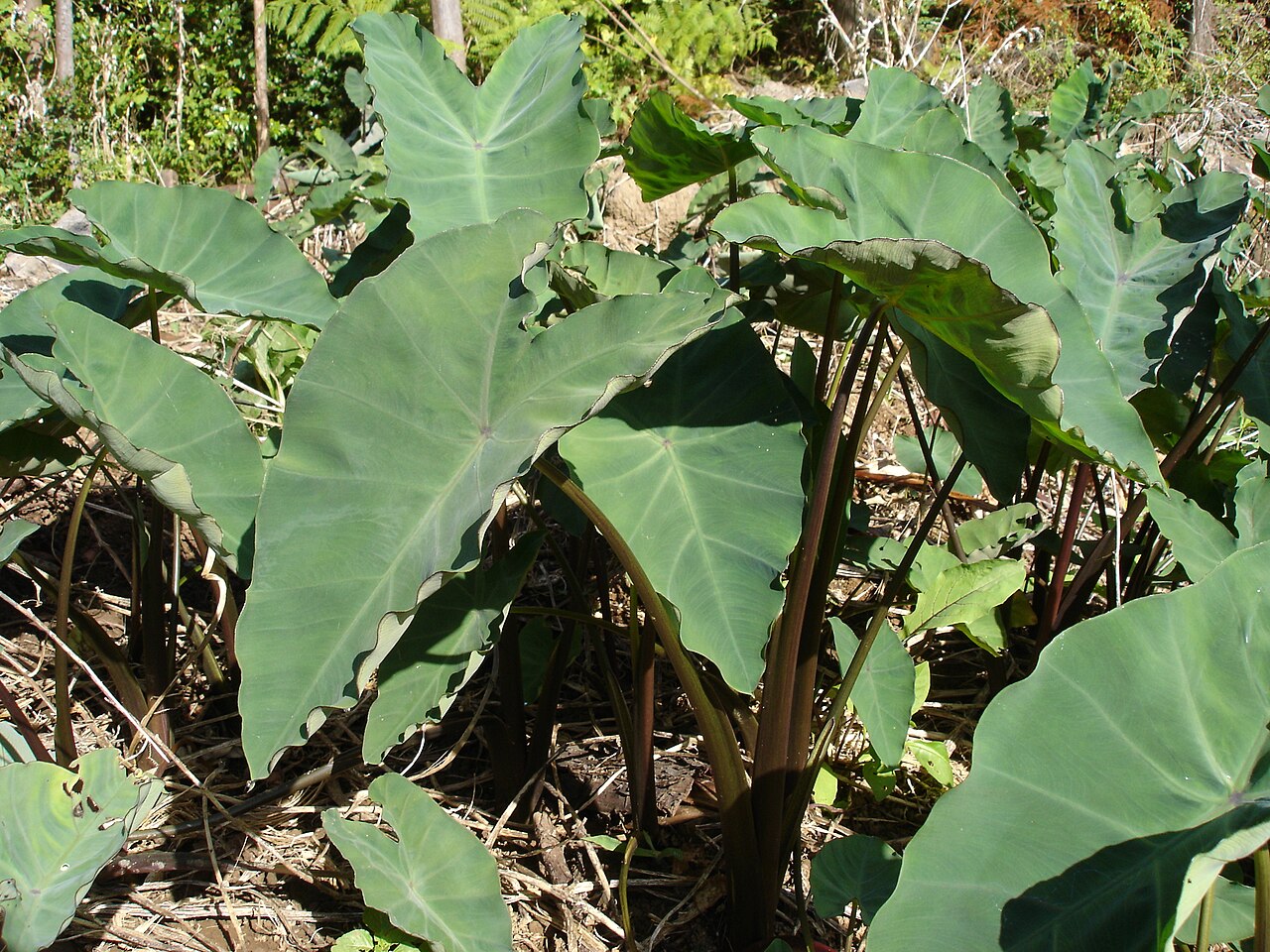
—observations
—countries
—peak records
Least ConcernConservation statusIUCN Red List categoriesLCNTVUENCREWEXLeast ConcernRed List categories, explained →
Diet & prey
- Autotrophic (Photosynthetic)
Predators
- Taro Beetles
- Snails
- Aphids
ThreatsHabitat conversion, agricultural diseases, invasive spread in non-native wetlands
HabitatsWetlands, riverbanks, flooded field paddies, tropical gardens
Life spanPerennial (5–10+ years)
Size / weightNot available
Classification
- OrderAlismatales
- FamilyAraceae
- GenusColocasia
- SpeciesColocasia esculenta
Range data is not available yet.
Interaction riskHigh
- Low
- Moderate
- High
- Very high
- Why interaction risk is high
- Raw parts contain sharp calcium oxalate crystals that irritate skin and mucous membranes; observe safely without harvesting.
- Why it is dangerous
- Raw sap and un cooked tissues contain sharp calcium oxalate raphides that cause intense severe burning, swelling of the throat, and skin rash.
- How to recognize a risky encounter
- Recognized by large, heart-shaped peltate leaves held high on fleshy stalks arising from a central underground corm in wet ground.
- What to do
- Avoid cutting or handling raw plant parts with bare hands, and never consume raw tissues.
Responsible observation
- Observation: Identify taro by looking for leaf stalks attached to the underside interior of the leaf rather than the edge notch.
- Handling: Avoid contact with sap from broken leaves or freshly dug corms, as it can cause localized skin itching.
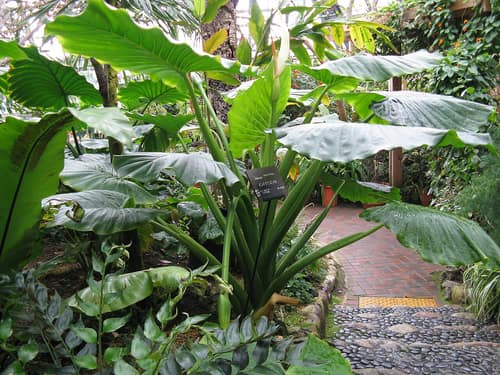
Close Relative KENPEI / CC BY-SA 3.0 · cc-by-sa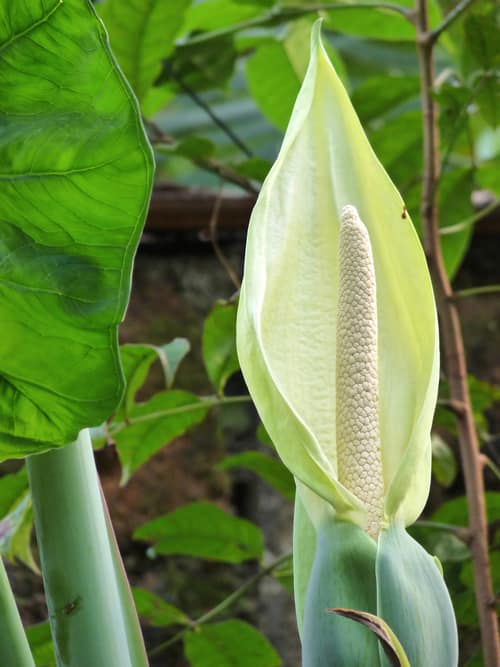
Close Relative (c) Jeevan Jose, Kerala, India, some rights reserved (CC BY-SA) · cc-by-sa
Arum Relative (c) Jacqui Geux, some rights reserved (CC BY), uploaded by Jacqui Geux · cc-by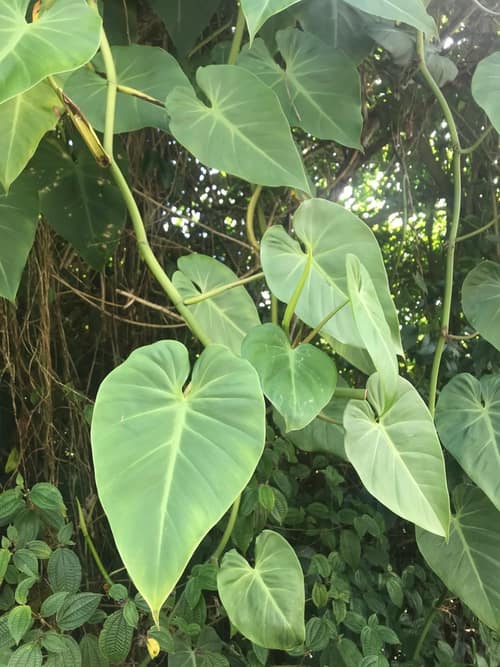
Arum Relative (c) Brittany Savoie, some rights reserved (CC BY), uploaded by Brittany Savoie · cc-by
Help improve the field guideSomething wrong?
Checking your Fauna account…Report a name, category, or profile issue for review.