
Plant
Açaí Palm
Euterpe oleraceaAlso known as Assai Palm, Cabbage Palm
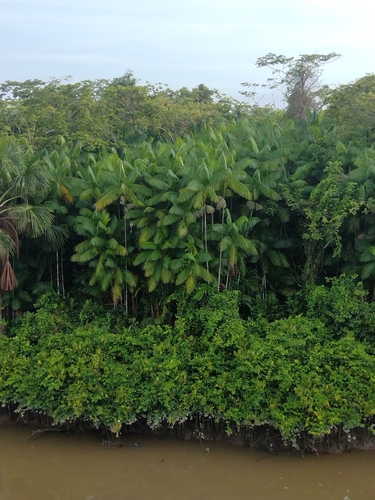
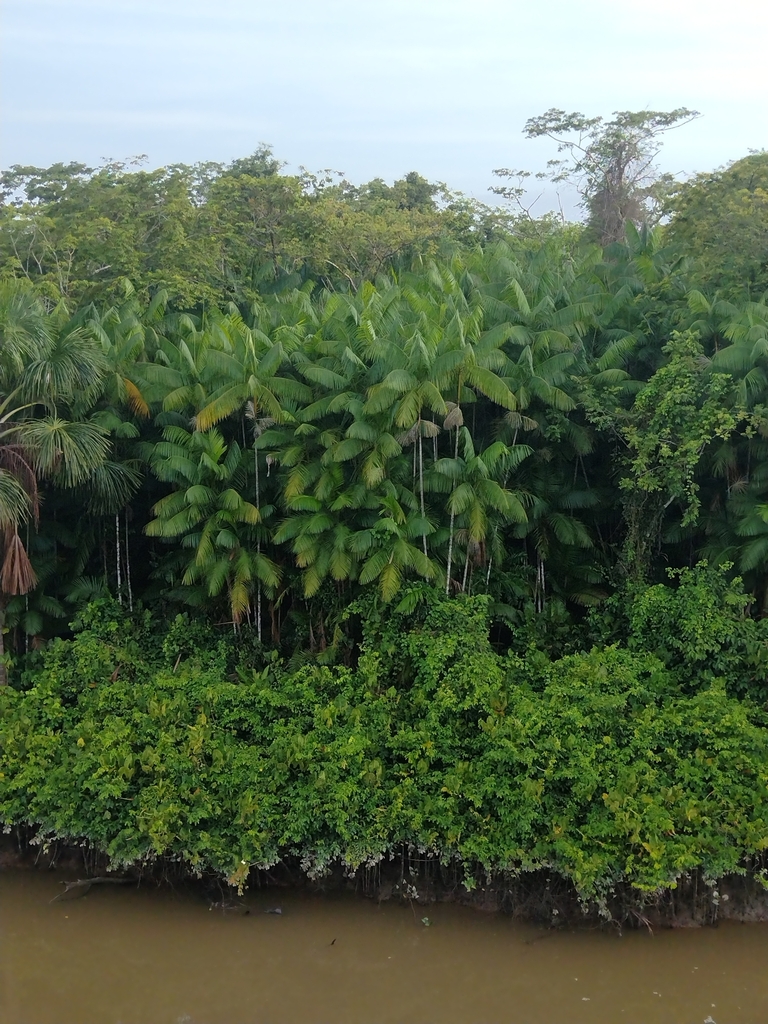
Multi-stemmed clusters of slender trunks emerge from wet tropical river margins and tidal swamps across the Amazon basin. Pendant clusters of small round drupes ripen from green to deep purple, providing critical nourishment for local frugivorous birds, mammals, and fish during seasonal inundations. Beyond its prominent ecological role, dense stands stabilize vulnerable riverbanks against tidal erosion.
TropicalFloodplainPalms
—observations
—countries
—peak records
Least ConcernConservation statusIUCN Red List categoriesLCNTVUENCREWEXLeast ConcernRed List categories, explained →
Diet & preyAutotrophic (photosynthesis)
Predators
- Toco Toucan
- Capuchin Monkey
- Pariuche
ThreatsAgricultural runoff, wetland drainage, and excessive commercial harvesting
HabitatsTidal floodplains, swamp forests, and riparian corridors
Life span50–100 years
Classification
- FamilyArecaceae
- SpeciesEuterpe oleracea
Range data is not available yet.
Interaction riskLow
- Low
- Moderate
- High
- Very high
- Why interaction risk is low
- Wild berries have toxic look-alikes; never eat based on app identification alone.
Responsible observation
- Observation Timing: Scan riparian forest edges by boat along tidal estuaries for the distinctive clumped trunks.
- Wildlife Watching: Look into the crown during fruiting periods to spot feeding parrots and toucans.
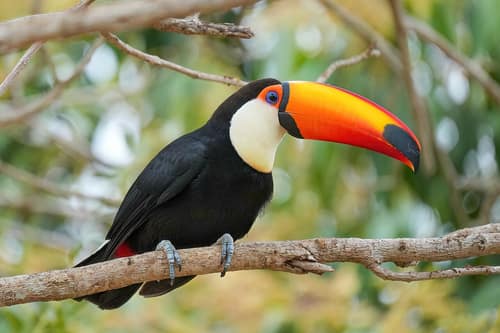
Seed Disperser Giles Laurent / CC BY-SA 4.0 · cc-by-sa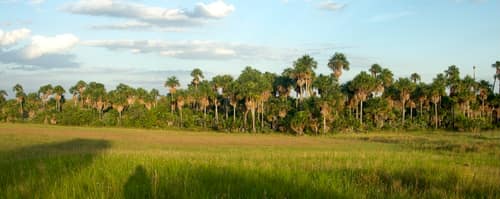
Neighbor (c) JR Ferrer-Paris, some rights reserved (CC BY), uploaded by JR Ferrer-Paris · cc-by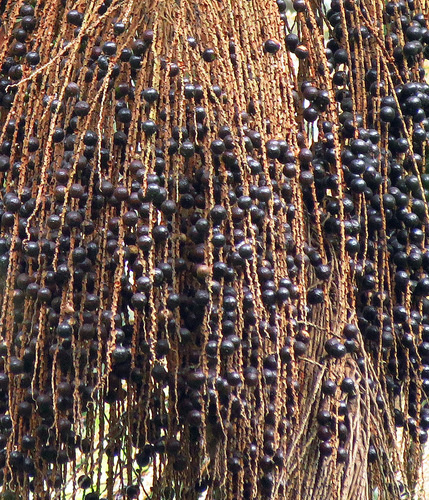
Close Relative (c) Rodrigo Paiva Lázaro, some rights reserved (CC BY), uploaded by Rodrigo Paiva Lázaro · cc-by
Help improve the field guideSomething wrong?
Checking your Fauna account…Report a name, category, or profile issue for review.