
Plant
Yellow Groove Bamboo
Phyllostachys aureosulcataAlso known as Crookstem Bamboo
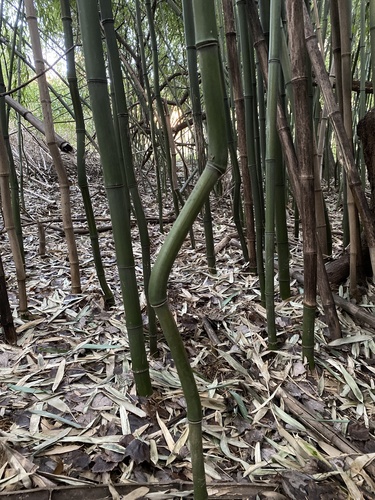
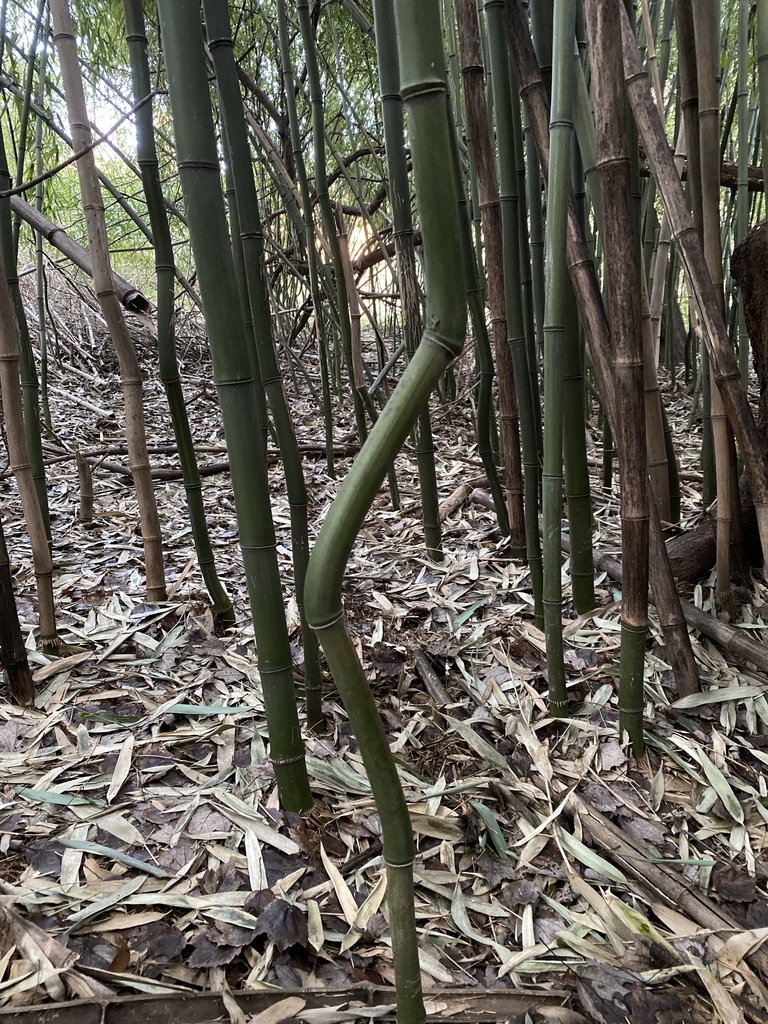
Yellow groove bamboo produces tall, elegant culms featuring a distinctive recessed groove that turns bright yellow against an otherwise rich green cane. The lower sections of its culms frequently develop an erratic zig-zag kink, giving mature stands a dynamic structural presence. Spreading aggressively through extensive underground running rhizomes, it forms dense monospecific groves capable of outcompeting native understory flora across temperate regions.
Woody GrassCold HardySpreading
—observations
—countries
—peak records
Least ConcernConservation statusIUCN Red List categoriesLCNTVUENCREWEXLeast ConcernRed List categories, explained →
Diet & preyAutotroph (Photosynthesis)
Predators
- Bamboo borer beetles
- Spider mites
- Voles
ThreatsHabitat clearance in native range; intensive eradication where naturalized as an invasive weed
HabitatsTemperate forests, riparian corridors, woodland margins, and urban gardens
Life spanPerennial (clones live for centuries; culms live 7–10 years)
Classification
- OrderPoales
- FamilyPoaceae
- GenusPhyllostachys
- SpeciesPhyllostachys aureosulcata
Range data is not available yet.
Interaction riskLow
- Low
- Moderate
- High
- Very high
- Why interaction risk is low
- Safe to observe at a normal distance.
Responsible observation
- Culm Groove Identification: Inspect the flattened sulcus channel above each branching node to spot the diagnostic yellow striping.
- Root Containment: Install high-density polyethylene root barriers at least 70 cm deep when planting to prevent uncontrollable underground spread.

Close Relative (c) Eric Knight, some rights reserved (CC BY), uploaded by Eric Knight · cc-by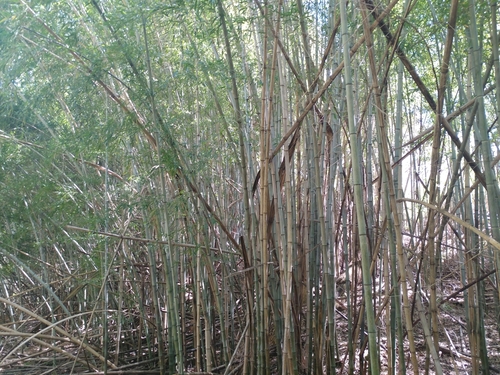
Close Relative (c) the swamp ass, some rights reserved (CC BY), uploaded by the swamp ass · cc-by
Close Relative Hectonichus / CC BY-SA 3.0 · cc-by-sa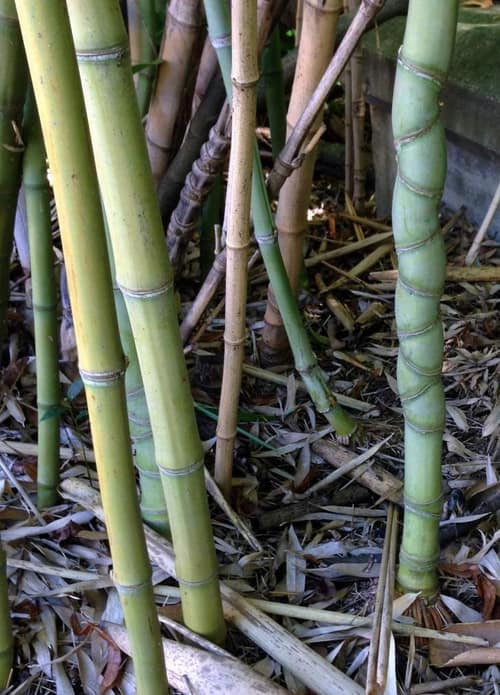
Close Relative (c) Abrahami, some rights reserved (CC BY-SA) · cc-by-sa
Help improve the field guideSomething wrong?
Checking your Fauna account…Report a name, category, or profile issue for review.