
Plant
Moso Bamboo
Phyllostachys edulisAlso known as Mōsō Bamboo, Tortoise-shell Bamboo, Mao Zhu
Moso bamboo forms vast, luminous evergreen forests sustained by an aggressive subterranean rhizome network capable of sending up new culms at astonishing speeds during the spring flush. Individual culms can surge up to a meter in a single day under optimal moisture, rapidly hardening into resilient, hollow poles covered in fine velvety hairs. Long cultivated across East Asia for sustainable timber and textile fiber, its dense root systems stabilize steep mountain slopes while dramatically reshaping forest understories.
Giant GrassFast-GrowingEvergreen
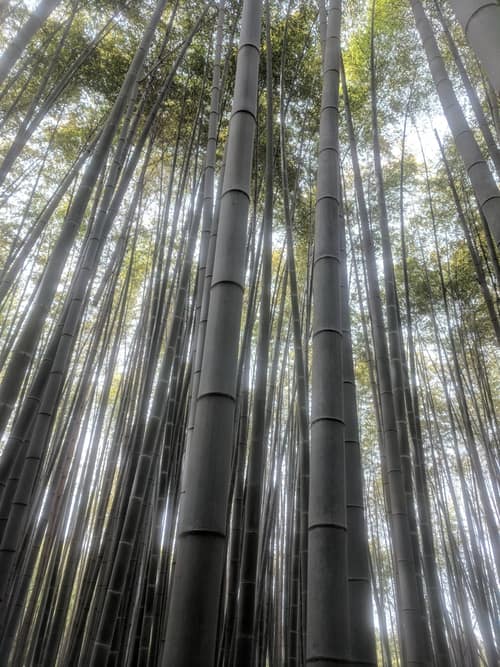
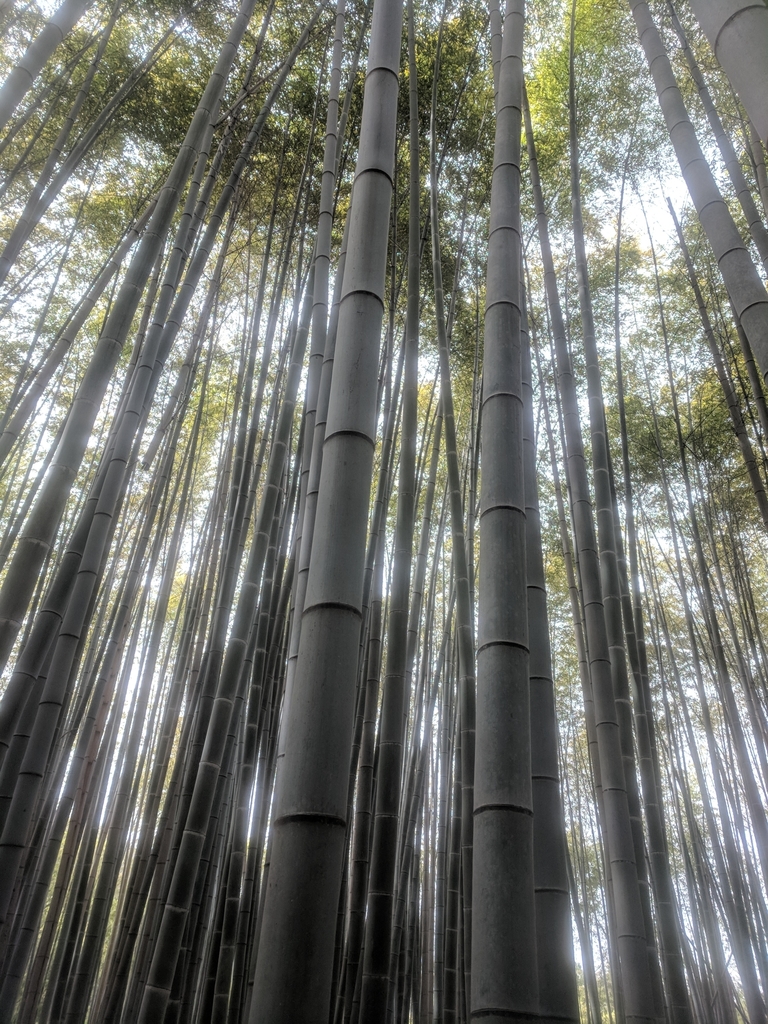
—observations
—countries
—peak records
Least ConcernConservation statusIUCN Red List categoriesLCNTVUENCREWEXLeast ConcernRed List categories, explained →
Diet & preyAutotrophic (photosynthetic)
Predators
- Giant Panda
- Wild Boar
- Bamboo Borer Beetle
ThreatsHabitat conversion, intensive monoculture management, and synchronized mass die-offs
HabitatsTemperate and subtropical montane forests, valleys, and managed groves
Life spanRhizome system can live over a century; individual culms survive 10–15 years
Classification
- OrderPoales
- FamilyPoaceae
- GenusPhyllostachys
- SpeciesPhyllostachys edulis
Range data is not available yet.
Interaction riskLow
- Low
- Moderate
- High
- Very high
- Why interaction risk is low
- Safe to observe at a normal distance.
Responsible observation
- Culm Texture: Look closely at newly emerging spring culms to observe the fine, velvety hairs covering the surface before they shed.
- Acoustic Presence: Stand quietly in dense groves during breezy weather to hear the resonant hollow knocking of swaying canes.
- Containment Caution: Install deep root barriers if cultivating near garden borders to prevent the vigorous running rhizomes from spreading.
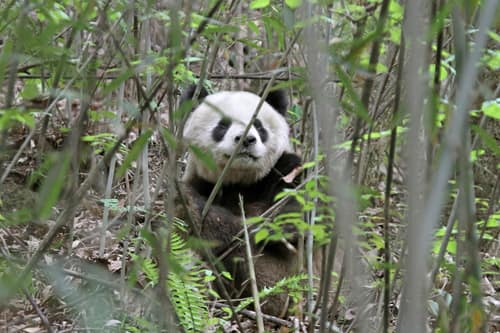
Herbivore no rights reserved, uploaded by James Eaton · cc0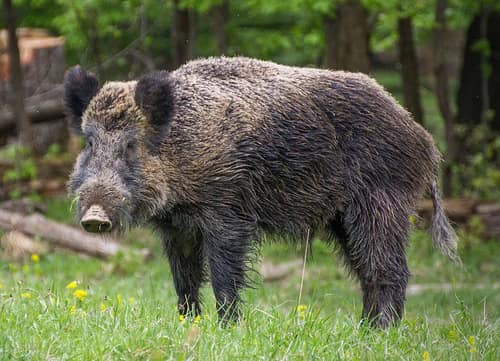
Herbivore Valentin Panzirsch / CC BY-SA 3.0 at · cc-by-sa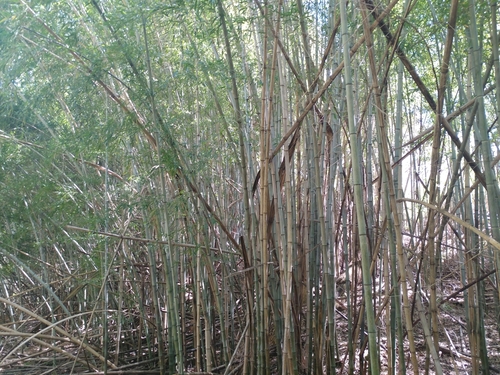
Close Relative (c) the swamp ass, some rights reserved (CC BY), uploaded by the swamp ass · cc-by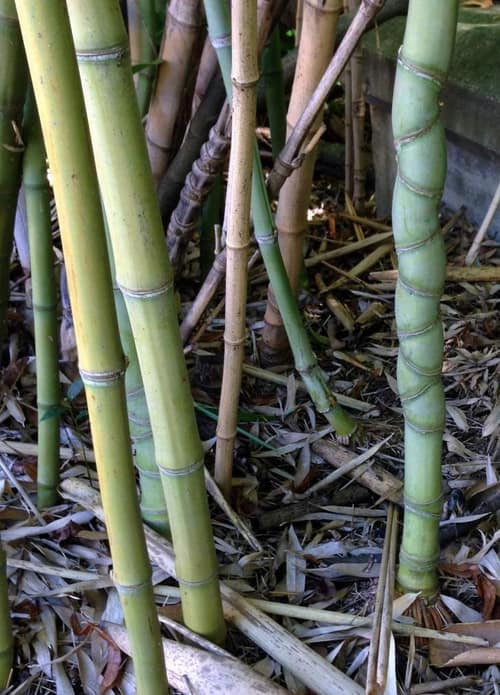
Close Relative (c) Abrahami, some rights reserved (CC BY-SA) · cc-by-sa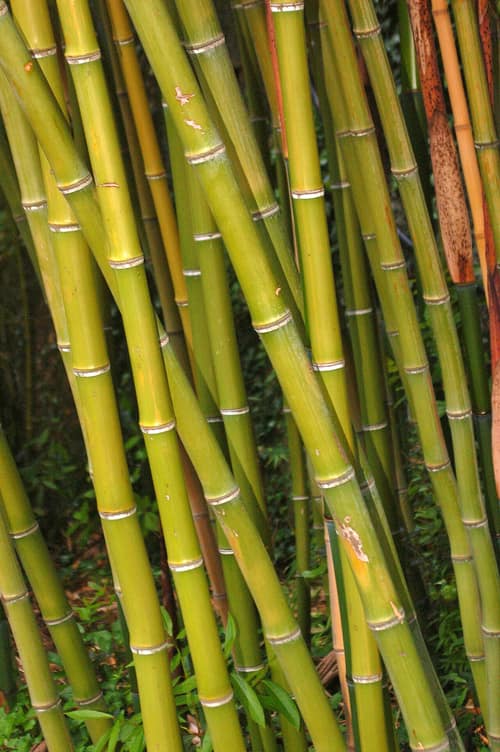
Close Relative Hectonichus / CC BY-SA 3.0 · cc-by-sa
Help improve the field guideSomething wrong?
Checking your Fauna account…Report a name, category, or profile issue for review.