
Plant · GBIF taxon 5289461
Narrowleaf Cattail
Typha angustifoliaAlso known as Lesser Bulrush, Lesser Reedmace, Narrow-leaved Reedmace, Narrowleaf Bulrush
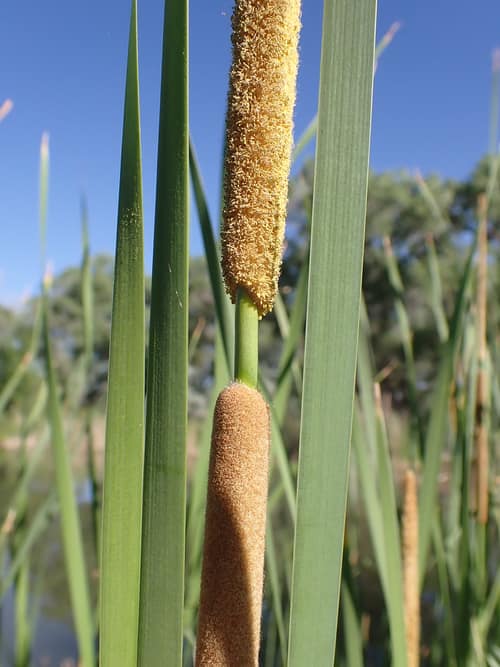
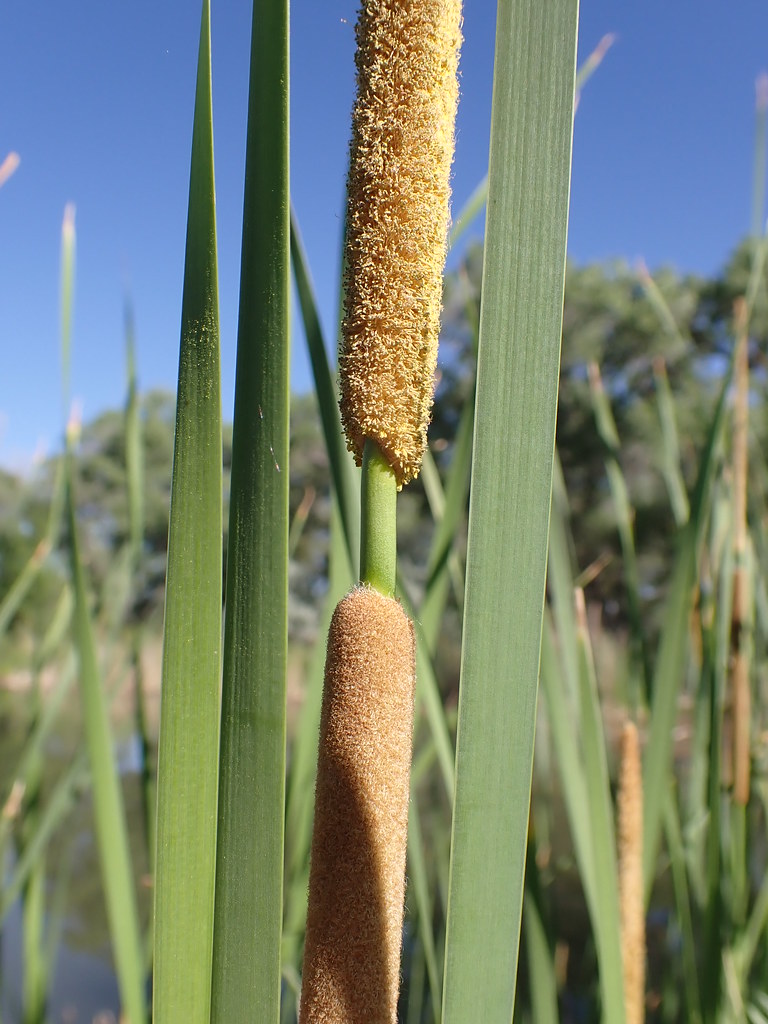
Narrowleaf cattail forms dense, clonal stands along wetland margins, marshes, and roadside ditches using creeping rhizomes. Its narrow leaves and characteristic gap between the upper male flowers and lower female flower spike distinguish it from broadleaf relatives. In late summer, wind carries millions of tiny down-tufted seeds across watercourses and disturbed wetland soils.
WetlandAquaticPerennial
—observations
—countries
—peak records
Least ConcernConservation statusIUCN Red List categoriesLCNTVUENCREWEXLeast ConcernRed List categories, explained →
Diet & prey
- Autotrophic (photosynthetic)
Predators
- Muskrats
- Geese
- Cattail borer caterpillars
ThreatsWetland drainage, herbicides, invasive hybrid competition
HabitatsFreshwater and brackish marshes, pond margins, ditches
Life spanPerennial (clones can persist for decades)
Size / weightNot available
Classification
- OrderPoales
- FamilyTyphaceae
- GenusTypha
- SpeciesTypha angustifolia
Range data is not available yet.
Interaction riskLow
- Low
- Moderate
- High
- Very high
- Why interaction risk is low
- Safe to observe at a normal distance.
Responsible observation
- Identification: Look for a distinct 2 to 8 cm gap separating the upper male and lower female spikes.
- Habitat Care: Stay on established boardwalks or banks to avoid trampling sensitive wetland soils.
- Observation: Watch dense stands during spring for nesting birds and emerging dragonfly nymphs.
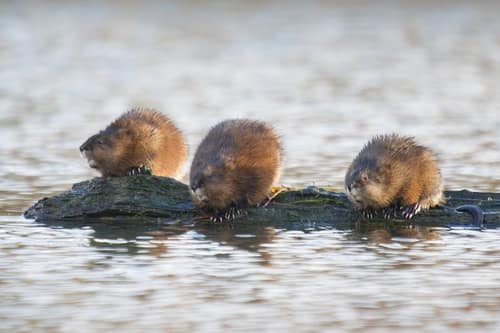
Primary Herbivore (c) Owen Strickland, some rights reserved (CC BY), uploaded by Owen Strickland · cc-by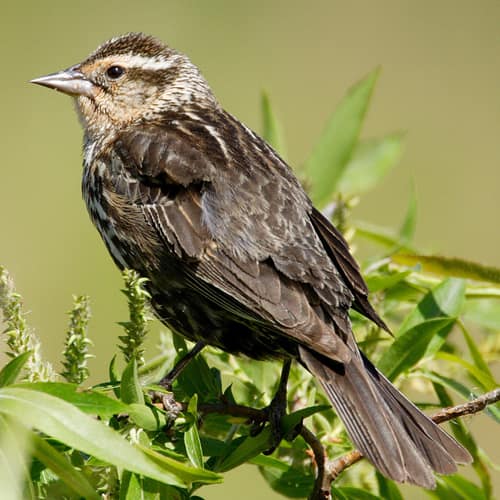
Frequent Companion (c) anonymous, some rights reserved (CC BY-SA) · cc-by-sa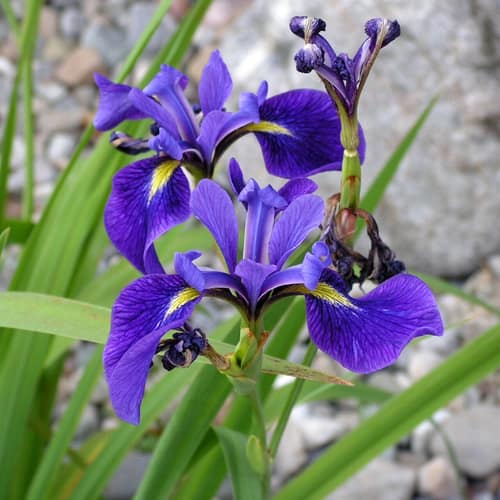
Wetland Neighbor D. Gordon E. Robertson / CC BY-SA 3.0 · cc-by-sa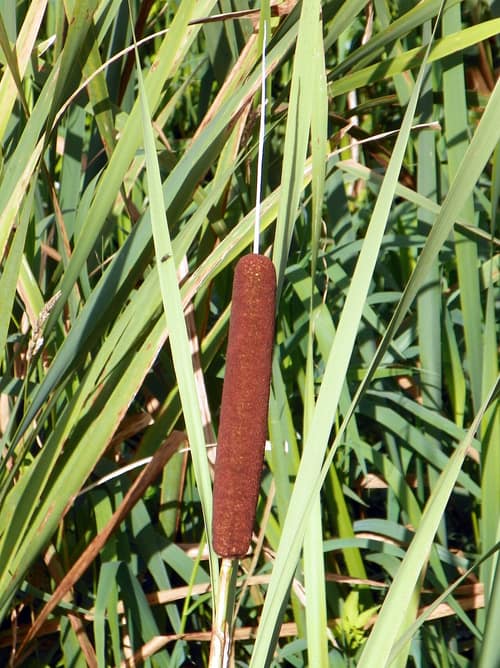
Close Relative Peter O'Connor aka anemoneprojectors from Stevenage, United Kingdom / CC BY-SA 2.0 · cc-by-sa
Keep collecting in Fauna
Found in Collections
Ecosystem chain
Wetland Territory
Narrowleaf Cattail is found in this collection. Identify it in Fauna to fill this slot and continue your progress.
—/12
Help improve the field guideSomething wrong?
Checking your Fauna account…Report a name, category, or profile issue for review.