
Plant · GBIF taxon 5288819
Pineapple
Ananas comosusAlso known as Piña, Ananas, Abacaxi
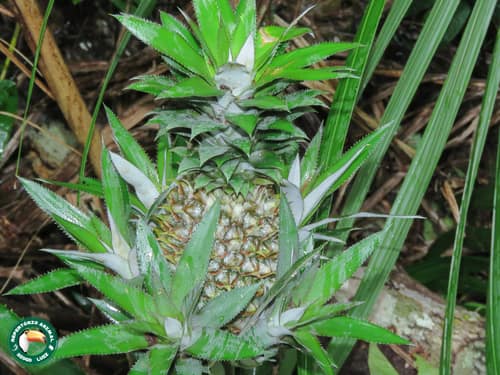
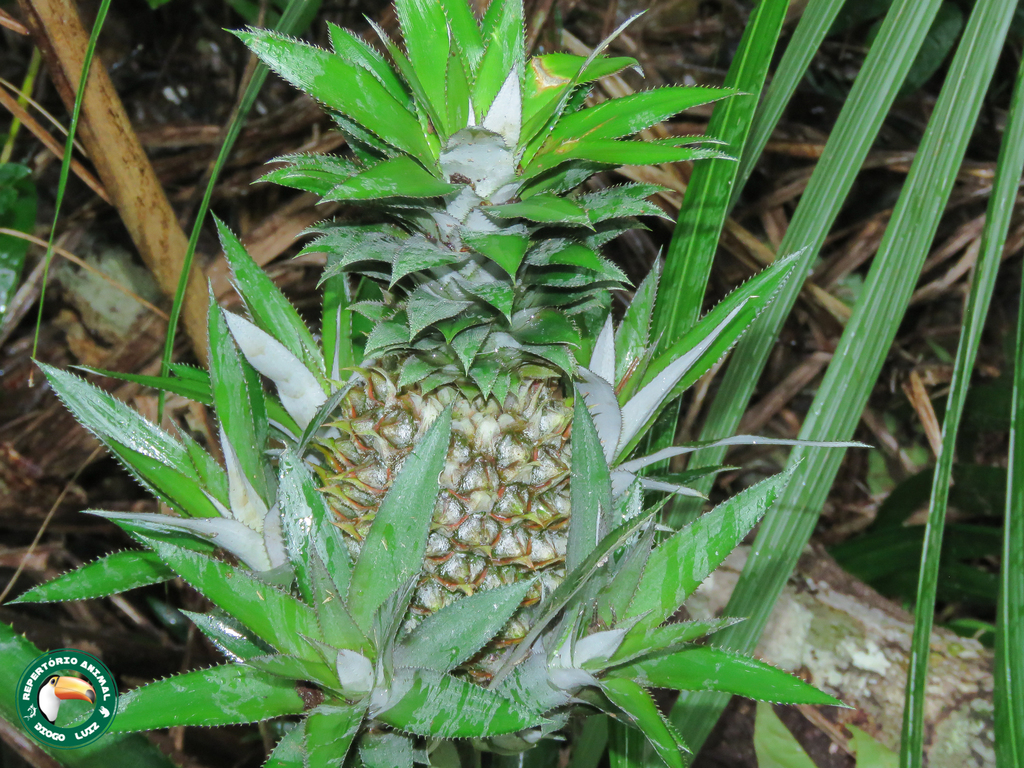
Pineapples grow as a dense, ground-level rosette of tough, spine-tipped leaves centered around a stout stem that generates a single composite inflorescence. Each mature fruit is a syncarp, formed by dozens of individual purple to red blossoms fusing together around a fibrous central core. Adapted to dry tropical conditions, the plant utilizes Crassulacean acid metabolism to exchange gases strictly at night, dramatically minimizing water loss during scorching days.
TropicalBromeliadFlowering
 1 / 7
1 / 7—observations
—countries
—peak records
Not EvaluatedConservation statusIUCN Red List categoriesLCNTVUENCREWEXNot Evaluated — not placed on the risk ladderRed List categories, explained →
Diet & prey
- Sunlight
- Water
- Soil nutrients
Predators
- Pineapple mealybug
- Feral pig
- Black rat
ThreatsPhytophthora root rot, mealybug wilt, and extreme drought
HabitatsTropical lowlands, coastal plains, and cultivated fields
Life span3–7 years
Size / weightNot available
Classification
- OrderPoales
- FamilyBromeliaceae
- GenusAnanas
- SpeciesAnanas comosus
Range data is not available yet.
Interaction riskLow
- Low
- Moderate
- High
- Very high
- Why interaction risk is low
- Safe to observe at a normal distance, though the rigid leaf tips can be sharply pointed.
Responsible observation
- Leaf Spines: Wear thick gardening gloves when inspecting plants up close to avoid painful punctures.
- Flower Viewing: Look deep into the center of young plants during late spring to spot individual purple florets.
 Image unavailable
Close Relative 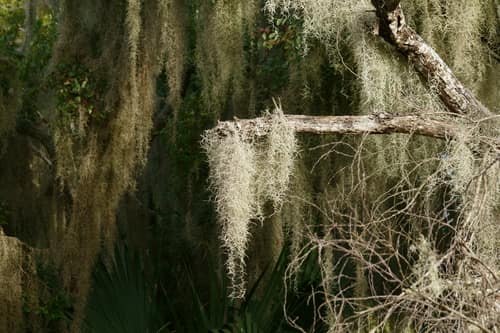
Family Member (c) psweet, some rights reserved (CC BY-SA), uploaded by psweet · cc-by-sa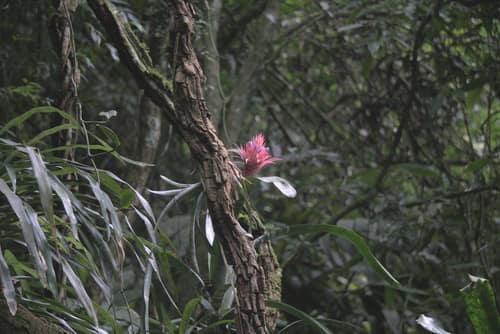
Family Member (c) filipeprates, some rights reserved (CC BY) · cc-byFamily Member
Help improve the field guideSomething wrong?
Checking your Fauna account…Report a name, category, or profile issue for review.