
Plant
Spanish Moss
Tillandsia usneoidesAlso known as Old Man's Beard, Grandpa's Beard, Florida Moss, Vegetable Hair
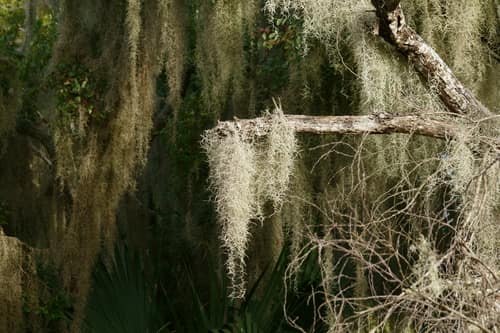
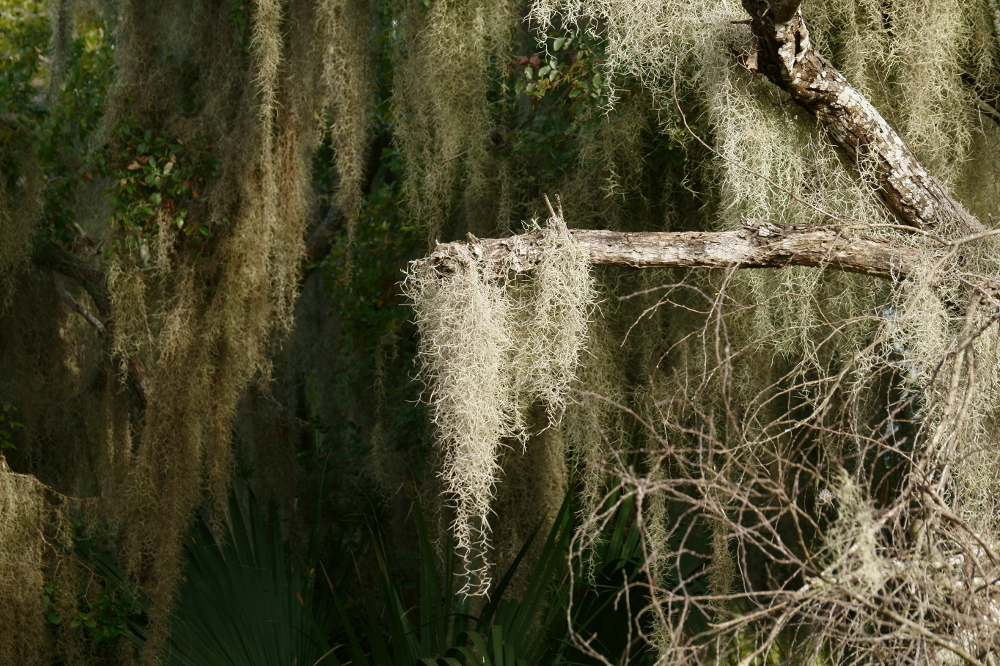
Spanish moss drapes over Southern live oaks and bald cypresses, creating iconic, curtain-like foliage across humid subtropical landscapes. As an epiphyte, this rootless air plant absorbs water and mineral nutrients directly from rainfall and airborne dust through tiny hair-like scales called trichomes. Its tangled grey strands offer critical microhabitats for bats, songbirds, spiders, and beneficial insects throughout the forest canopy.
EpiphyteAir PlantNative
—observations
—countries
—peak records
Least ConcernConservation statusIUCN Red List categoriesLCNTVUENCREWEXLeast ConcernRed List categories, explained →
Diet & preyAutotrophic (photosynthetic, absorbs water and nutrients via trichomes)
Predators
- Northern Parula
- Baltimore Oriole
- Mites
ThreatsAir pollution, extreme storm damage, forest loss, clearing for landscaping
HabitatsSubtropical swamps, oak hammocks, coastal plain forests, riverbanks
Life spanPerennial (continuous vegetative propagation)
Classification
- OrderPoales
- FamilyBromeliaceae
- GenusTillandsia
- SpeciesTillandsia usneoides
Range data is not available yet.
Interaction riskLow
- Low
- Moderate
- High
- Very high
- Why interaction risk is low
- Safe to observe at a normal distance; avoid touching fallen strands that may harbor biting chiggers.
Responsible observation
- Observation: Look for silver-grey curtains swaying from mature live oak and bald cypress branches in humid habitats.
- Handling Precautions: Avoid picking up fallen clumps from the forest floor, as they frequently shelter biting mites and chiggers.
- Cultivation Care: Maintain high humidity and bright filtered sun without soil when grown as an ornamental air plant.
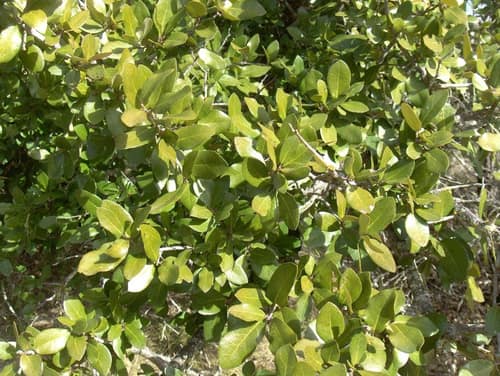
Host Plant Homer Edward Price / CC BY 2.0 · CC BY 2.0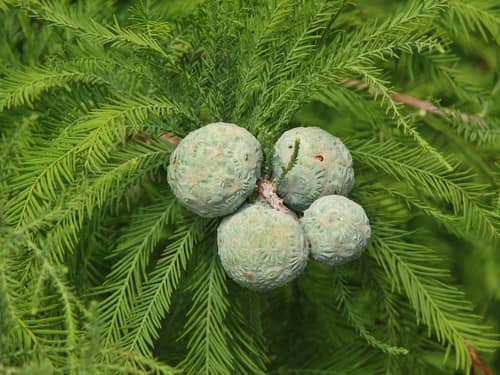
Host Plant (c) Annika Lindqvist, some rights reserved (CC BY), uploaded by Annika Lindqvist · cc-by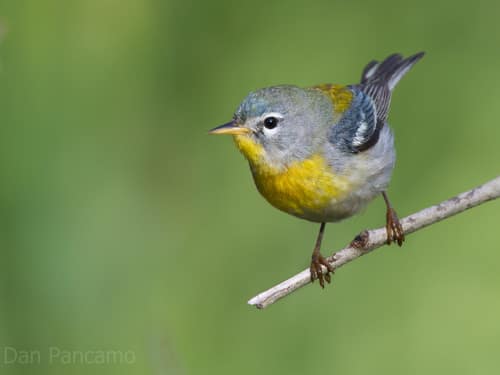
Frequent Companion "Northern Parula" by Dan Pancamo is licensed under CC BY-SA 2.0. To view a copy of this license, visit https://creativecommons.org/licenses/by-sa/2.0/. · cc-by-sa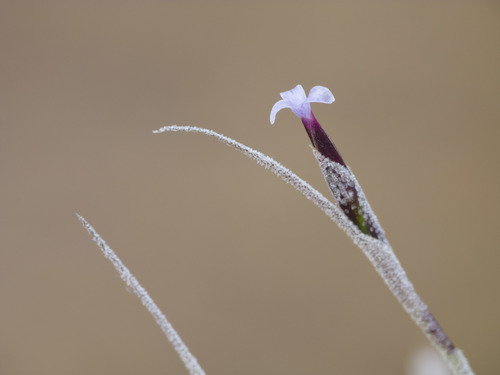
Close Relative no rights reserved, uploaded by Manuel Ortiz · cc0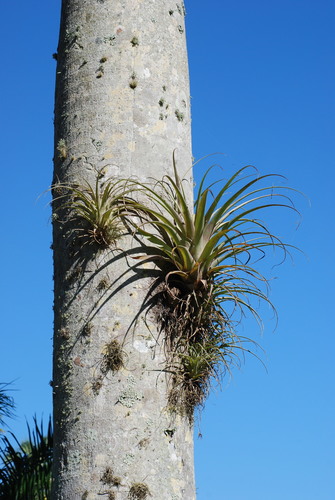
Close Relative (c) Douglas Goldman, some rights reserved (CC BY-SA), uploaded by Douglas Goldman · cc-by-sa
Help improve the field guideSomething wrong?
Checking your Fauna account…Report a name, category, or profile issue for review.