
Plant
Pineapple
Ananas comosusAlso known as Piña, Ananas, Abacaxi
Pineapples grow as a dense, ground-level rosette of tough, spine-tipped leaves centered around a stout stem that generates a single composite inflorescence. Each mature fruit is a syncarp, formed by dozens of individual purple to red blossoms fusing together around a fibrous central core. Adapted to dry tropical conditions, the plant utilizes Crassulacean acid metabolism to exchange gases strictly at night, dramatically minimizing water loss during scorching days.
TropicalBromeliadFlowering
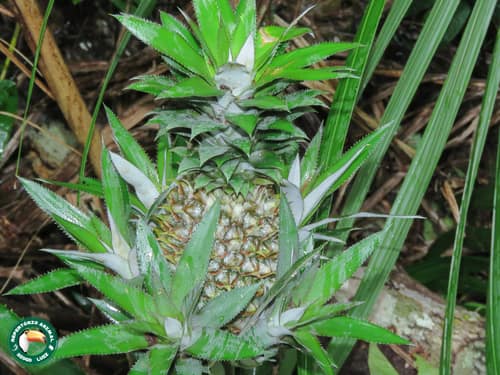
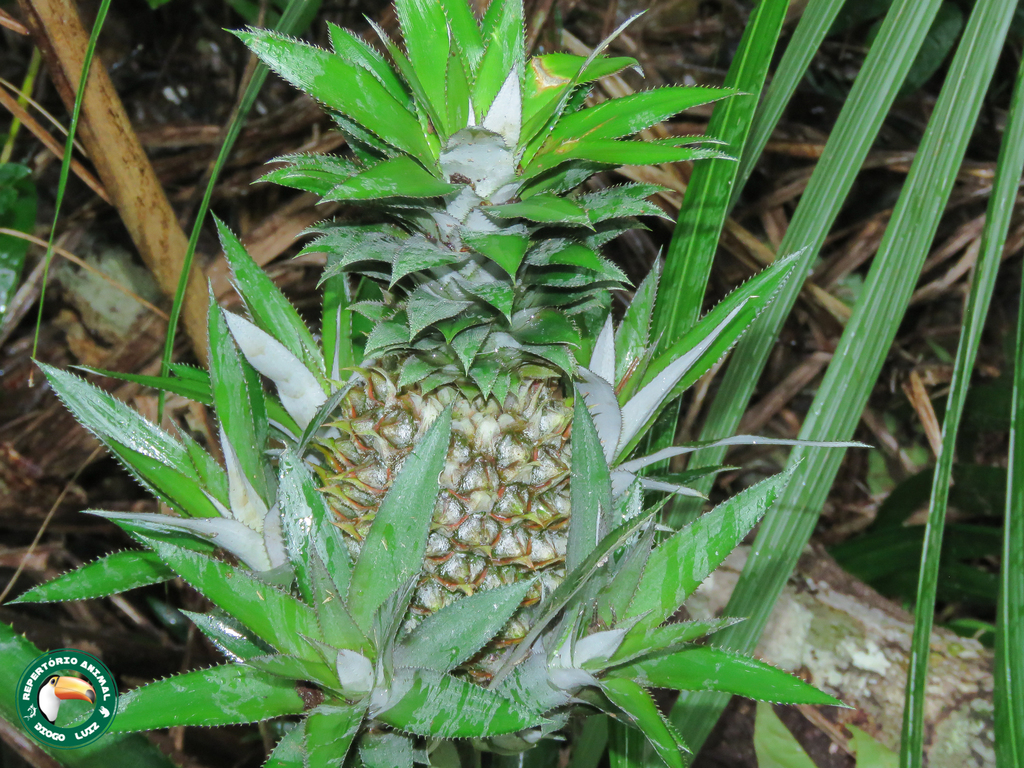
—observations
—countries
—peak records
Not EvaluatedConservation statusIUCN Red List categoriesLCNTVUENCREWEXNot Evaluated — not placed on the risk ladderRed List categories, explained →
Diet & preySunlight, Water, Soil nutrients
Predators
- Pineapple mealybug
- Feral pig
- Black rat
ThreatsPhytophthora root rot, mealybug wilt, and extreme drought
HabitatsTropical lowlands, coastal plains, and cultivated fields
Life span3–7 years
Classification
- OrderPoales
- FamilyBromeliaceae
- GenusAnanas
- SpeciesAnanas comosus
Range data is not available yet.
Interaction riskLow
- Low
- Moderate
- High
- Very high
- Why interaction risk is low
- Safe to observe at a normal distance, though the rigid leaf tips can be sharply pointed.
Responsible observation
- Leaf Spines: Wear thick gardening gloves when inspecting plants up close to avoid painful punctures.
- Flower Viewing: Look deep into the center of young plants during late spring to spot individual purple florets.
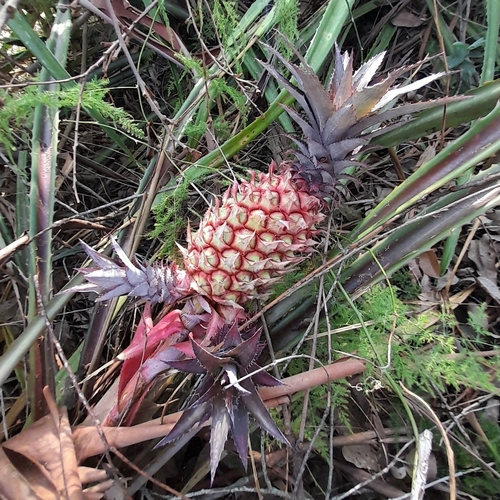
Close Relative (c) Daniel Dias, some rights reserved (CC BY-SA) · cc-by-sa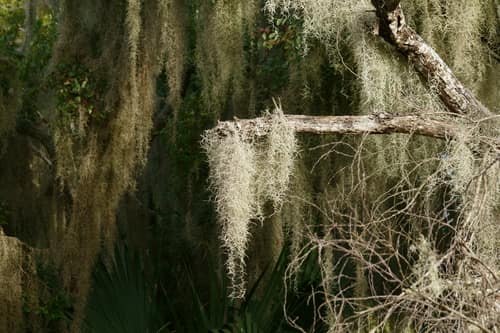
Family Member (c) psweet, some rights reserved (CC BY-SA), uploaded by psweet · cc-by-sa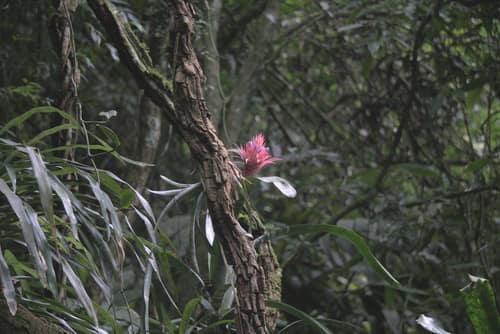
Family Member (c) filipeprates, some rights reserved (CC BY) · cc-by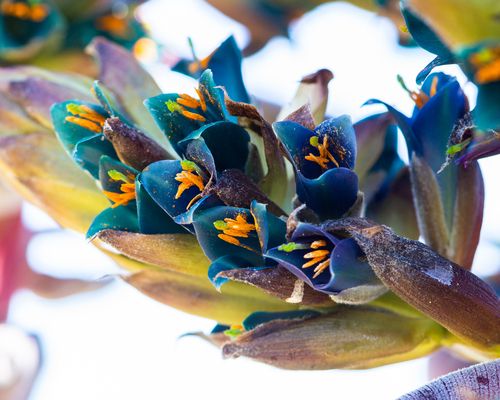
Family Member (c) Nicolás Villaseca Merino, some rights reserved (CC BY-SA) · cc-by-sa
Help improve the field guideSomething wrong?
Checking your Fauna account…Report a name, category, or profile issue for review.