
Plant
African Yellowwood
Podocarpus latifoliusAlso known as Real Yellowwood, Broad-leaved Yellowwood, Oprechte Geelhout
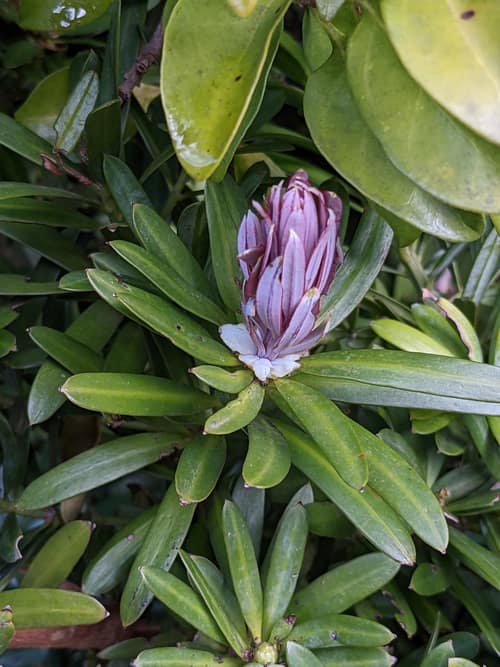
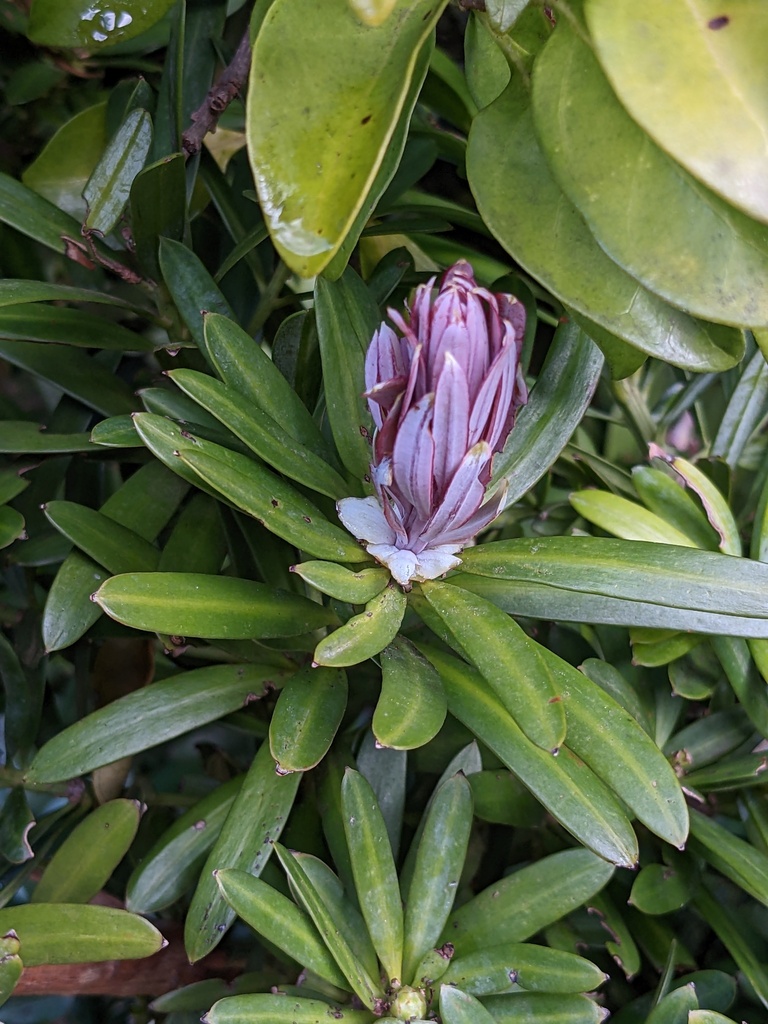
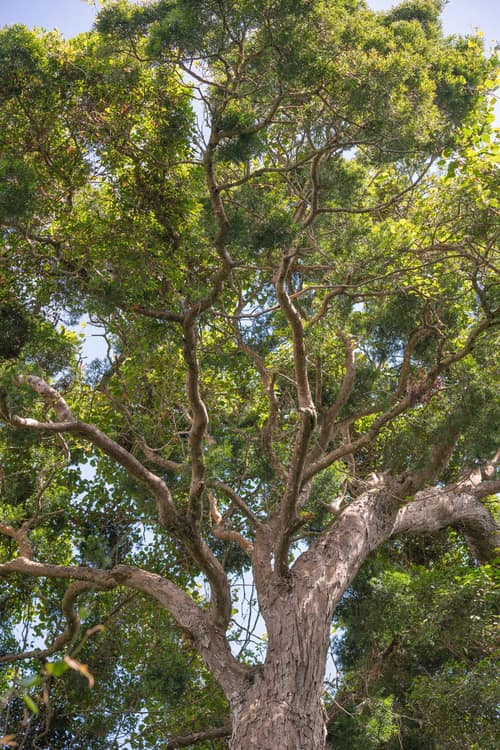
Real yellowwoods are imposing slow-growing evergreen conifers that dominate the canopy of South Africa's ancient Afromontane forests. Mature trees feature distinctive deeply fissured greyish bark and glossy leather-like leaves that cluster toward the tips of stiff branchlets. Their swollen purple-red fleshy seed receptacles attract endemic forest birds like the Cape parrot, which feed on and disperse the hard seeds.
EvergreenConiferCanopy Tree
—observations
—countries
—peak records
Least ConcernConservation statusIUCN Red List categoriesLCNTVUENCREWEXLeast ConcernRed List categories, explained →
Diet & preyAutotrophic
ThreatsHistorical timber exploitation, habitat fragmentation
HabitatsAfromontane forests, coastal forests, mountain ravines
Life span500–1000 years
Classification
- FamilyPodocarpaceae
- SpeciesPodocarpus latifolius
Range data is not available yet.
Interaction riskLow
- Low
- Moderate
- High
- Very high
- Why interaction risk is low
- Wild berries and fleshy cones have toxic look-alikes; never eat based on app identification alone.
- What to notice
- Recognize it by its straight trunk, peeling grey bark, and broad, glossy foliage in indigenous high forests.
- Support conservation
- Refrain from cutting, peeling bark, or damaging root zones when hiking near mature trees.
Responsible observation
- Bark Identification: Look for greyish, longitudinally peeling bark on mature trunks to distinguish it in dense forest.
- Fruiting Season: Search beneath mature female trees in autumn for swollen red-purple seed receptacles.
- Protected Status: Enjoy observing wild trees without removing leaves, bark, or seed cones.
Forest Companion (c) Morten Ross, some rights reserved (CC BY), uploaded by Morten Ross · cc-by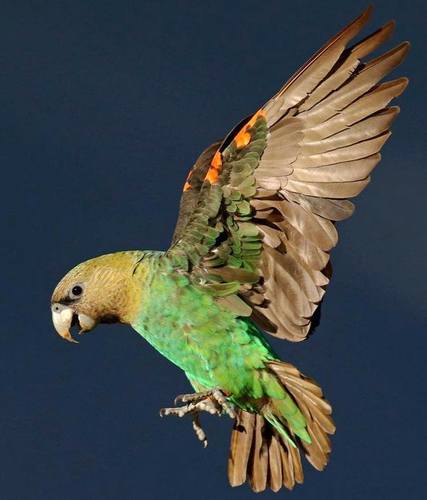
Seed Disperser no rights reserved, uploaded by Dave Brown · cc0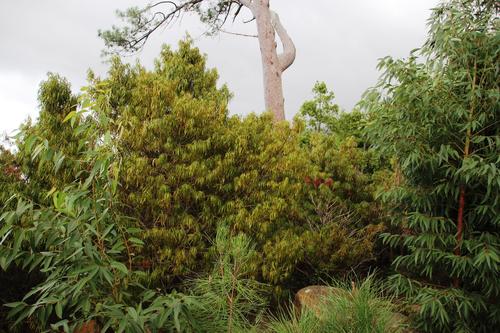
Close Relative (c) Tony Rebelo, some rights reserved (CC BY-SA), uploaded by Tony Rebelo · cc-by-sa
Help improve the field guideSomething wrong?
Checking your Fauna account…Report a name, category, or profile issue for review.