
Plant
Colorado Pinyon
Pinus edulisAlso known as Pinyon Pine, Two-Needle Pinyon, Piñon Pine
Colorado pinyons define the arid, rocky woodlands of the American Southwest, growing slowly into compact, round-topped trees that withstand extreme drought. Their resinous cones produce large, nutrient-dense seeds that have sustained native wildlife and human communities for millennia. Mutualistic relationships with pinyon jays drive their reproduction, as the birds cache thousands of seeds across the landscape each autumn.
ConiferDrought-TolerantEvergreen
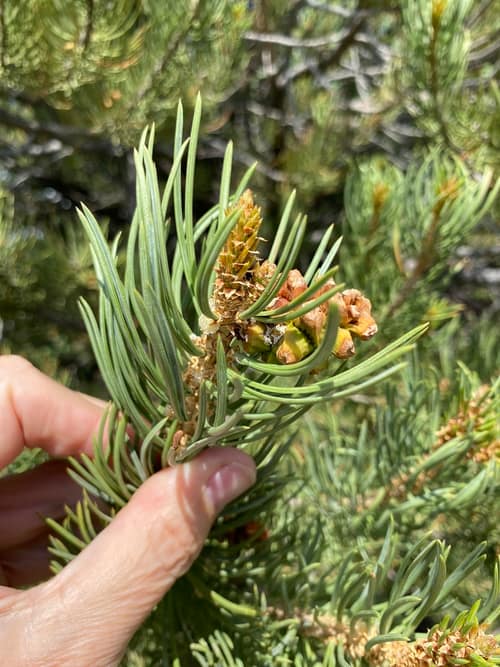
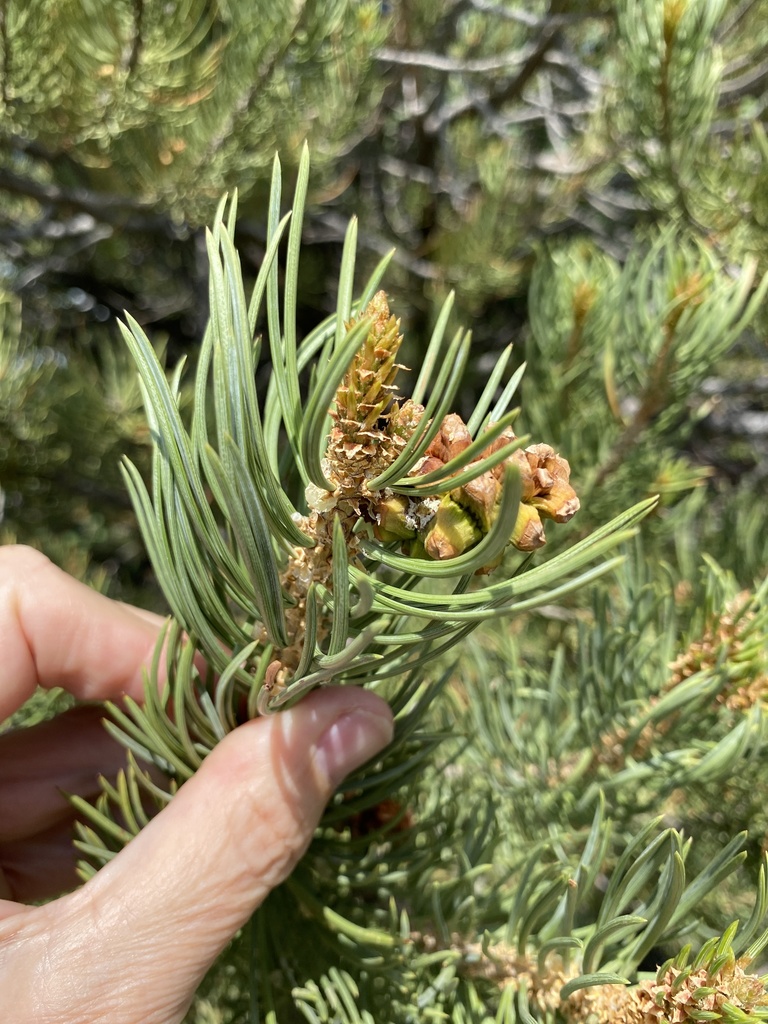
—observations
—countries
—peak records
Least ConcernConservation statusIUCN Red List categoriesLCNTVUENCREWEXLeast ConcernRed List categories, explained →
Diet & preySunlight, Water, Soil Minerals
Predators
- Ips Bark Beetle
- Pinyon Jay
- Bushy-Tailed Woodrat
ThreatsProlonged drought, ips bark beetle outbreaks, severe wildfires
HabitatsArid woodlands, rocky mesas, pinyon-juniper zones
Life span200–600 years
Classification
- OrderPinales
- FamilyPinaceae
- GenusPinus
- SpeciesPinus edulis
Range data is not available yet.
Interaction riskLow
- Low
- Moderate
- High
- Very high
- Why interaction risk is low
- Safe to observe at a normal distance.
Responsible observation
- Identification: Look for sharp, dark green needles paired in bundles of two.
- Cones: Examine fallen resinous cones for deep cavities where seeds sat.
- Bird Watching: Watch for vocal flocks of pinyon jays harvesting seeds in autumn.
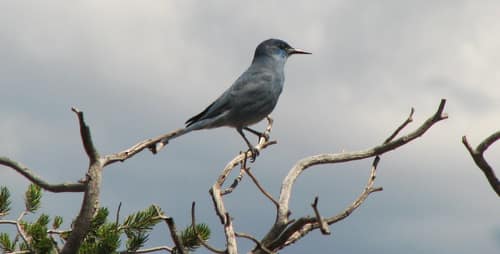
Seed Disperser "Gymnorhinus cyanocephalus (pinyon jay) (Canyon de Chelly National Monument, Arizona, USA)" by James St. John is licensed under CC BY 2.0. To view a copy of this license, visit https://creativecommons.org/licenses/by/2.0/. · cc-by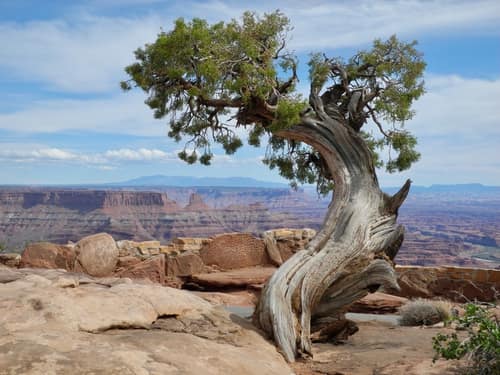
Frequent Companion (c) Michael J. Papay, some rights reserved (CC BY), uploaded by Michael J. Papay · cc-by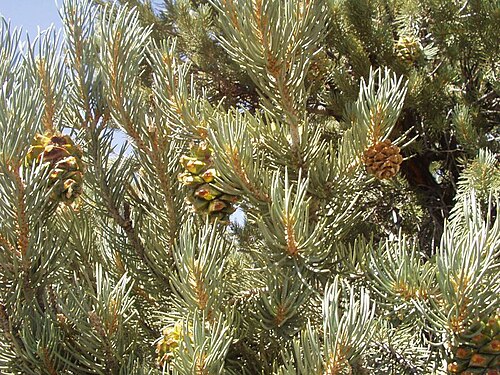
Close Relative en:User:Toiyab / CC BY-SA 3.0 · cc-by-sa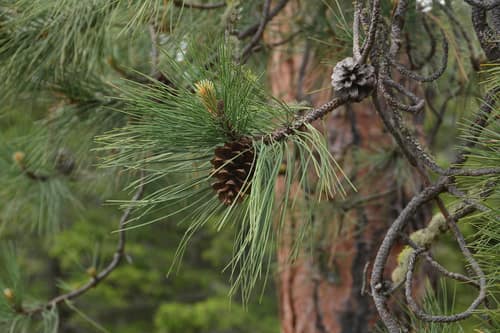
Close Relative no rights reserved, uploaded by Julia Carr · cc0
Help improve the field guideSomething wrong?
Checking your Fauna account…Report a name, category, or profile issue for review.