
Plant · GBIF taxon 5285727
Monterey Pine
Pinus radiataAlso known as Insignis Pine, Radiata Pine
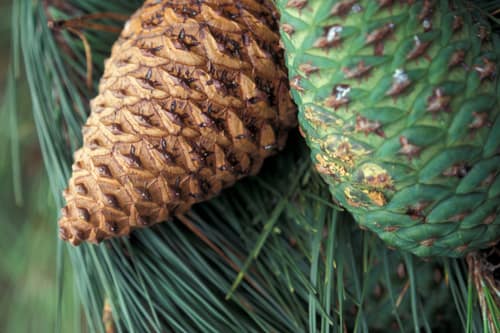
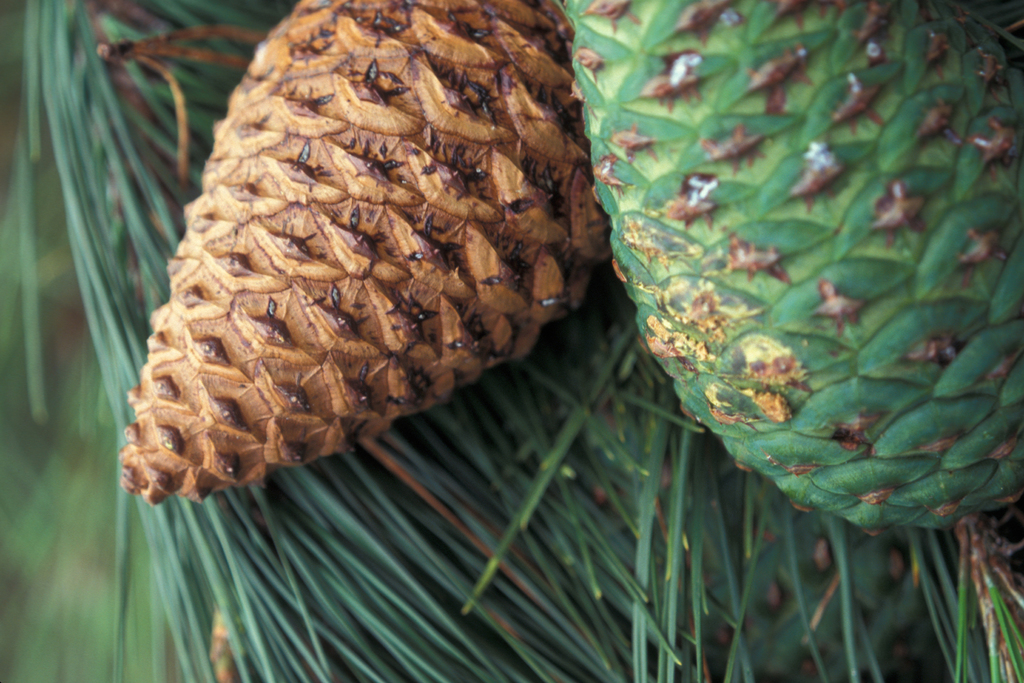
Monterey pines thrive in fog-bathed coastal bluffs where maritime moisture offsets summer drought. Characterized by bright lime-green needles grouped in threes and tightly closed asymmetrical cones, this tree relies on fire or summer warmth to open its cones and scatter seeds. While endangered in its native California and Mexican island habitats, it has become one of the most widely planted commercial timber trees in the Southern Hemisphere.
EvergreenNeedle TreeFast-Growing
—observations
—countries
—peak records
EndangeredConservation statusIUCN Red List categoriesLCNTVUENCREWEXEndangeredRed List categories, explained →
Diet & prey
- Autotrophic (Photosynthesis)
Predators
- Bark Beetles
- Porcupines
- Deer
ThreatsPitch canker disease, habitat fragmentation, fire suppression, climate change
HabitatsCoastal fog belts, maritime pine forests, chaparral slopes
Life span80–150 years
Classification
- OrderPinales
- FamilyPinaceae
- GenusPinus
- SpeciesPinus radiata
Range data is not available yet.
Interaction riskLow
- Low
- Moderate
- High
- Very high
- Why interaction risk is low
- Safe to observe at a normal distance.
- What to notice
- Recognizable by bright lime-green needles in clusters of three and heavy, lopsided cones persistent on branches.
- Support conservation
- Stay on designated trails in protected reserves to avoid trampling seedlings and spreading soil-borne fungal pathogens.
Responsible observation
- Identify by needles: Look for bright lime-green needles arranged strictly in bundles of three.
- Examine the cones: Look for asymmetrical, woody cones that remain tightly attached to branches for years.
- Observe coastal groves: Search along fog-prone sea bluffs on California's central coast.
 Image unavailable
Parasite 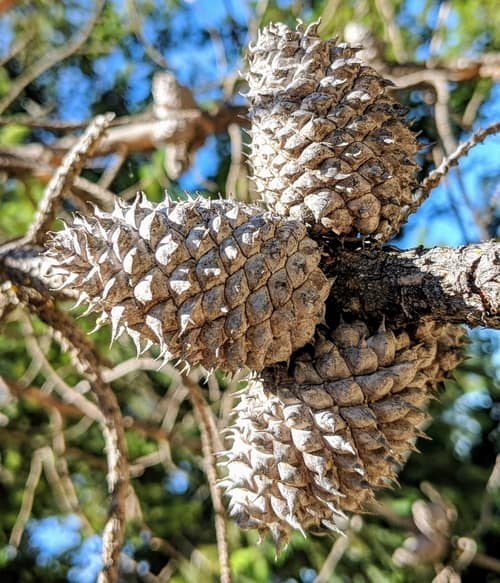
Close Relative (c) Uki D. Lucas, some rights reserved (CC BY), uploaded by Uki D. Lucas · cc-by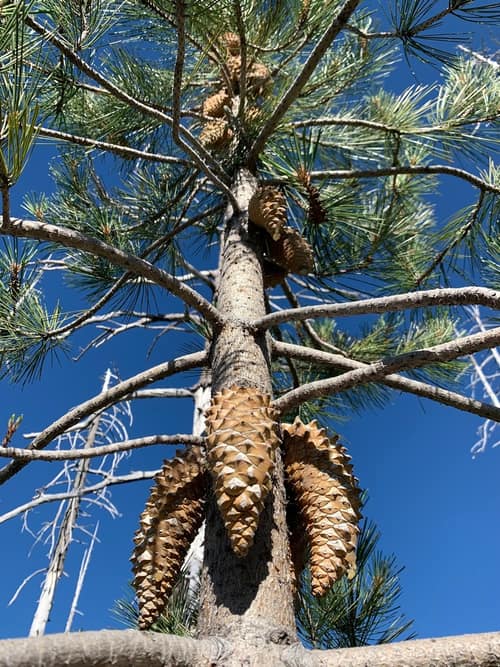
Close Relative no rights reserved, uploaded by Kate Manning · cc0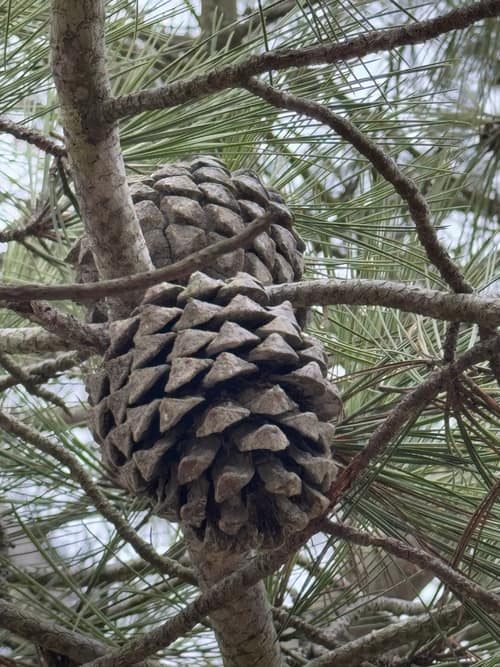
Close Relative (c) CK2AZ, some rights reserved (CC BY), uploaded by CK2AZ · cc-by
Help improve the field guideSomething wrong?
Checking your Fauna account…Report a name, category, or profile issue for review.