
Plant · GBIF taxon 5285764
Torrey Pine
Pinus torreyanaAlso known as Soledad Pine, Del Mar Pine, Lone Pine
Torrey pines grow as open, weather-sculpted trees along fog-shrouded coastal bluffs, developing deep taproots to anchor in sandy soils and sandstone crevices. Their long, greyish-green needles occur in bundles of five, and their large, heavy cones remain on the tree for years before releasing seeds. Kumeyaay people historically harvested the rich pine nuts, though the remaining wild groves are now strictly protected within small coastal reserves.
RareCoastalEvergreen
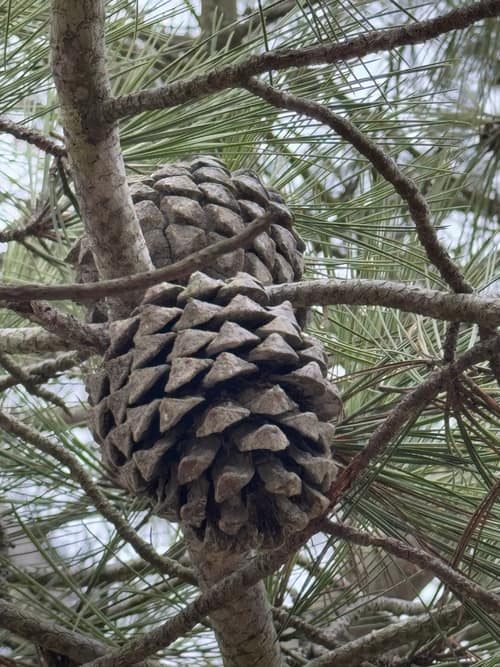
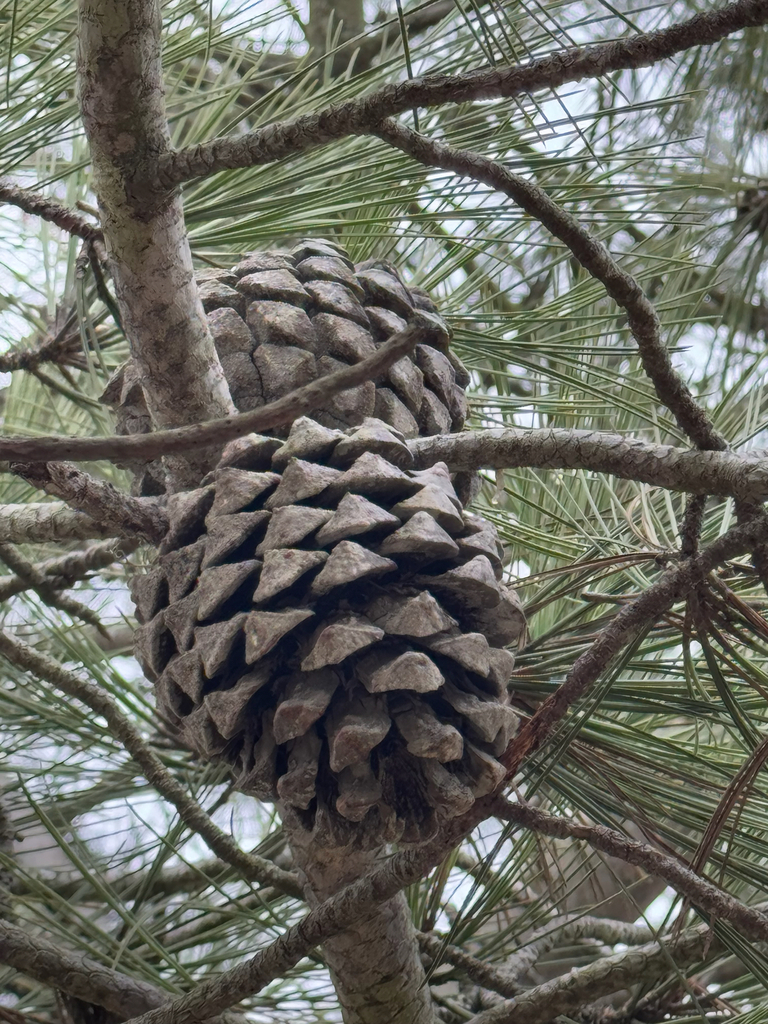
—observations
—countries
—peak records
Critically EndangeredConservation statusIUCN Red List categoriesLCNTVUENCREWEXCritically EndangeredRed List categories, explained →
Diet & prey
- Photosynthetic
Predators
- Bark Beetles
- California Scrub-Jay
- Ground Squirrels
ThreatsBark beetle infestation, drought, climate change, wildfire
HabitatsCoastal bluffs, coastal sage scrub, sandstone cliffs
Life span100–150 years
Classification
- OrderPinales
- FamilyPinaceae
- GenusPinus
- SpeciesPinus torreyana
Range data is not available yet.
Interaction riskLow
- Low
- Moderate
- High
- Very high
- Why interaction risk is low
- Safe to observe at a normal distance from established park trails.
- What to notice
- Recognized by clusters of five thick needles and broad, weathered crowns on coastal California cliffs.
- Support conservation
- Stay on established trails, never climb trees, and leave all fallen cones and needles undisturbed.
Responsible observation
- Trail Etiquette: Stick strictly to marked trails in coastal reserves to prevent soil erosion and root damage.
- Best Viewing: Visit early in the morning when ocean fog blankets the groves for optimal light and cool weather.
- Cone Observation: Look for large, woody cones on lower branches without picking or removing them from the reserve.
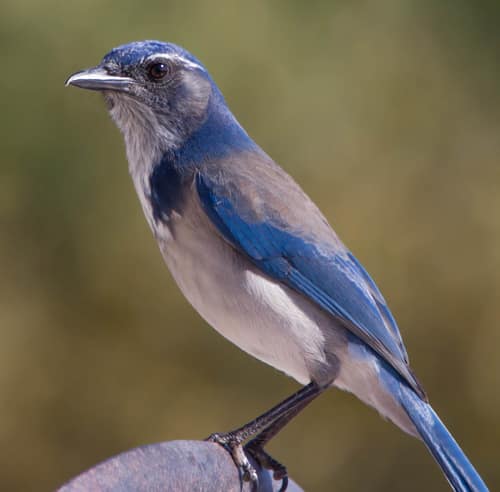
Seed Disperser (c) Dawn Beattie, some rights reserved (CC BY) · cc-by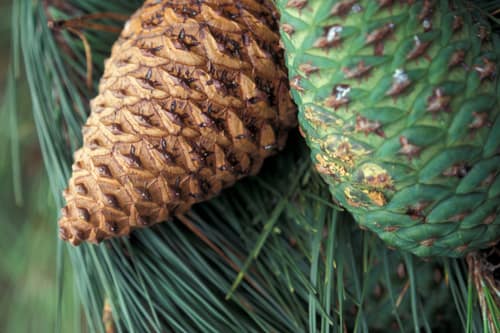
Close Relative (c) Forest and Kim Starr, some rights reserved (CC BY) · cc-by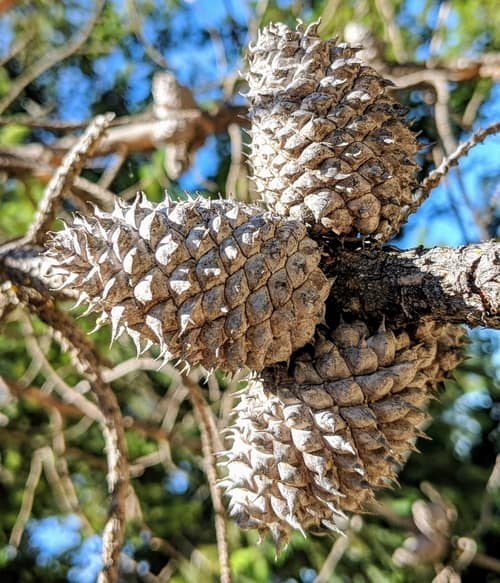
Close Relative (c) Uki D. Lucas, some rights reserved (CC BY), uploaded by Uki D. Lucas · cc-by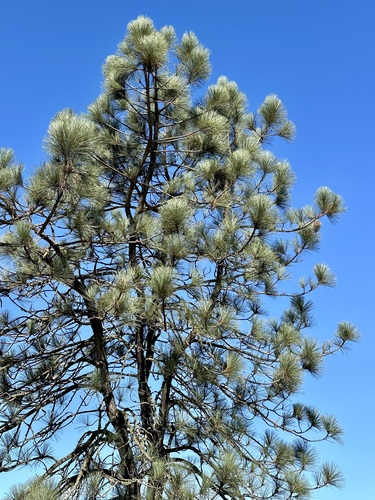
Close Relative (c) Henrik Kibak, some rights reserved (CC BY), uploaded by Henrik Kibak · cc-by
Help improve the field guideSomething wrong?
Checking your Fauna account…Report a name, category, or profile issue for review.