
Plant
Pitch Pine
Pinus rigidaAlso known as Rigid Pine, Torch Pine, Black Pine
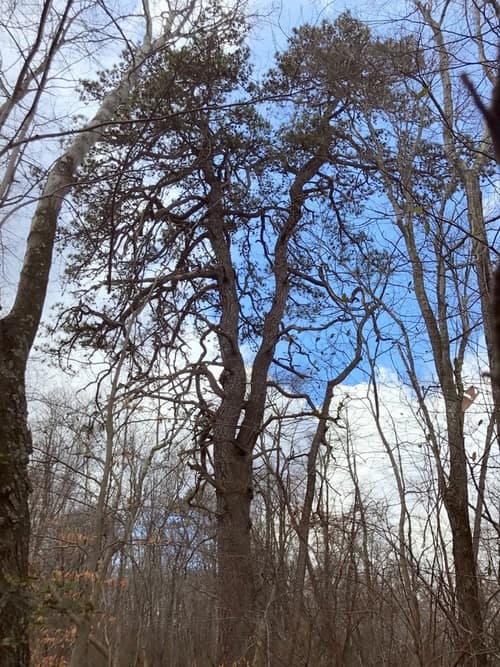
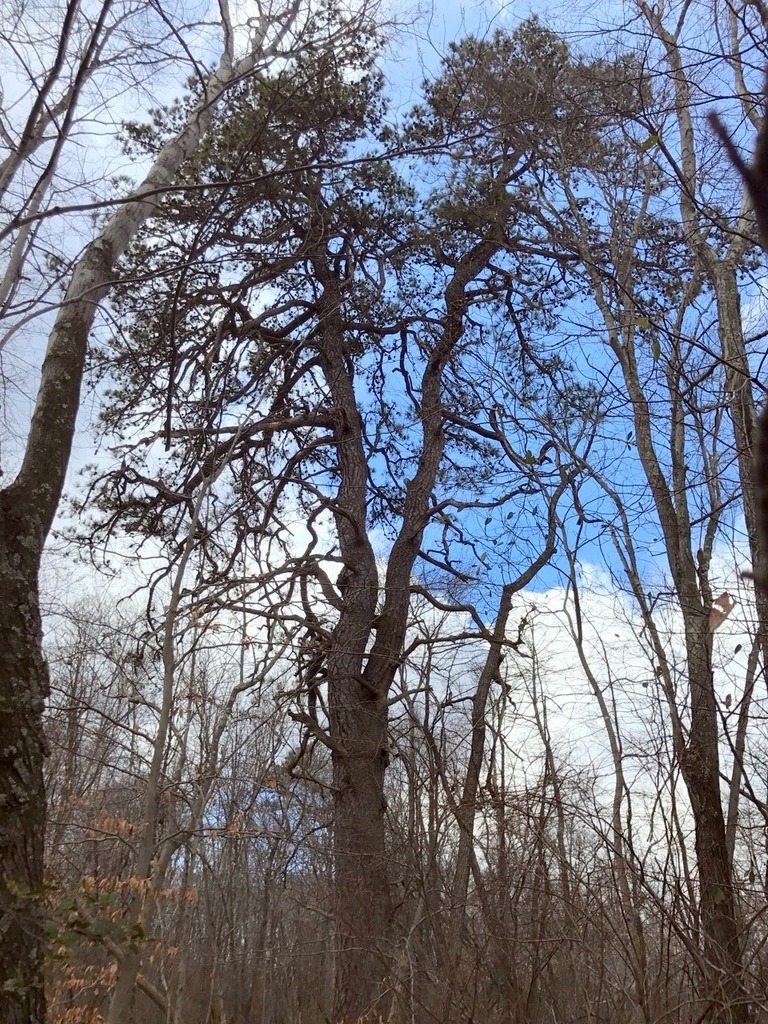
Pitch pines shape the character of coastal pine barrens with their twisted trunks, irregular crowns, and thick, fire-resistant bark. Uniquely adapted to frequent blazes, these resilient conifers produce epicormic sprouts directly from their trunks and stump roots after fire destroys their canopy. Their heavy, resinous wood burned fiercely in colonial tar kilns and supplied early Americans with durable lumber and lamp fuel.
Fire-AdaptedEvergreenConifer
—observations
—countries
—peak records
Least ConcernConservation statusIUCN Red List categoriesLCNTVUENCREWEXLeast ConcernRed List categories, explained →
Diet & preySunlight, Water, Soil Minerals
Predators
- Southern Pine Beetle
- Pine Sawfly
- White-Tailed Deer
ThreatsFire suppression, habitat development, southern pine beetle
HabitatsPine barrens, dry sandy soils, rocky ridges
Life span150–300 years
Classification
- OrderPinales
- FamilyPinaceae
- GenusPinus
- SpeciesPinus rigida
Range data is not available yet.
Interaction riskLow
- Low
- Moderate
- High
- Very high
- Why interaction risk is low
- Safe to observe at a normal distance.
Responsible observation
- Needle Identification: Look for rigid, yellowish-green needles grouped in clusters of three, usually 7 to 14 centimeters long.
- Bark Features: Examine the trunk for thick, reddish-brown platy bark and unusual tufts of needles sprouting directly from the wood.
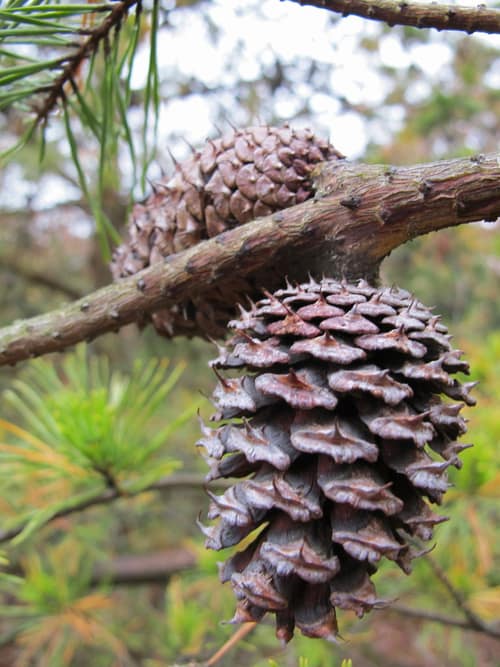
- Cone Structure: Spot persistent, prickly egg-shaped cones that often remain closed on branches until fire triggers seed release.
Competitor (c) Kristine Paulus, some rights reserved (CC BY) · cc-by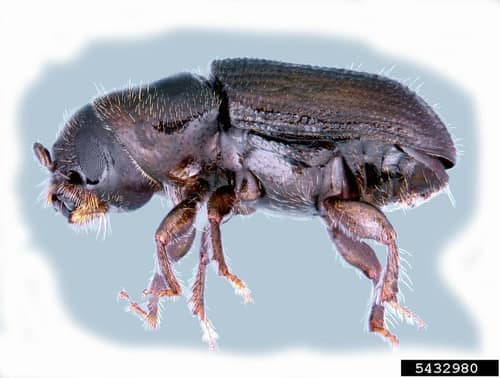
Parasite (c) Erich G. Vallery, some rights reserved (CC BY) · cc-by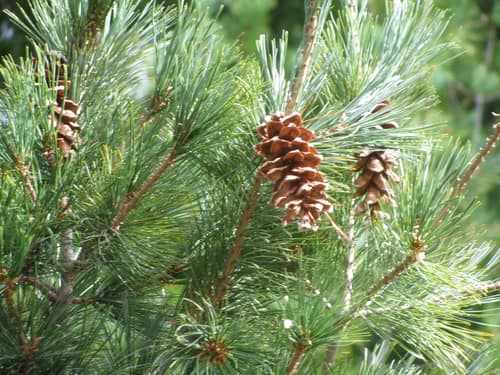
Close Relative (c) Forest and Kim Starr, some rights reserved (CC BY) · cc-by
Close Relative (c) Douglas Goldman, some rights reserved (CC BY-SA), uploaded by Douglas Goldman · cc-by-sa
Help improve the field guideSomething wrong?
Checking your Fauna account…Report a name, category, or profile issue for review.