
Plant · GBIF taxon 5285258
Great Basin Bristlecone Pine
Pinus longaevaAlso known as Bristlecone Pine, Intermountain Bristlecone Pine, Western Bristlecone Pine
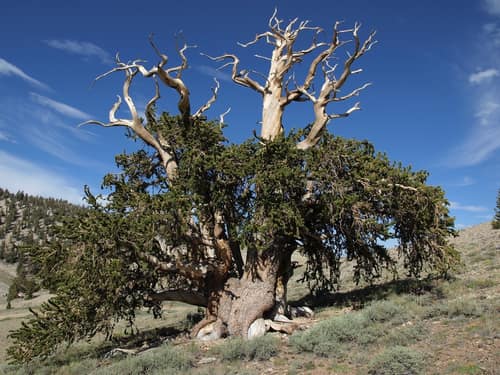
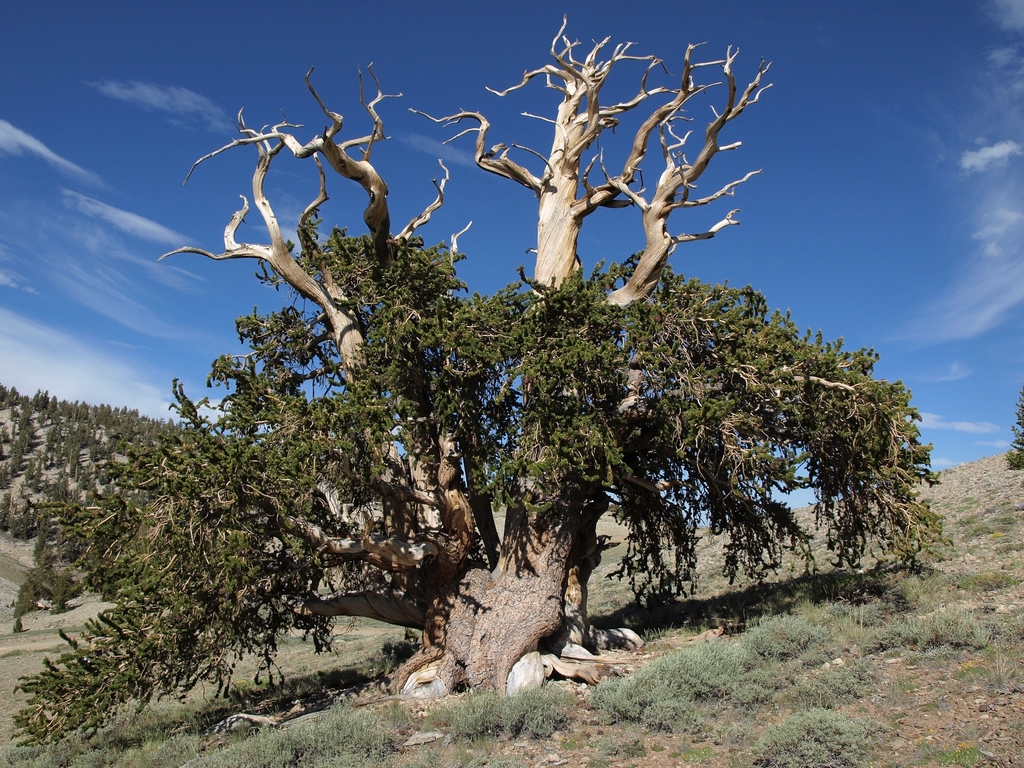
Great Basin bristlecone pines endure some of the harshest high-altitude environments in North America, often growing in nutrient-poor dolomite soils above 3,000 meters. Their dense, resinous wood decays exceptionally slowly, allowing dead branches to persist for millennia while living strips of bark sustain sparse crowns. Some individuals exceed 4,800 years of age, making them among the oldest non-clonal living organisms on Earth.
AncientConiferAlpine
 1 / 7
1 / 7—observations
—countries
—peak records
Least ConcernConservation statusIUCN Red List categoriesLCNTVUENCREWEXLeast ConcernRed List categories, explained →
Diet & prey
- Autotrophic (Photosynthesis)
Predators
- Mountain Pine Beetle
ThreatsClimate change, white pine blister rust, mountain pine beetle
HabitatsSubalpine ridges, dolomite slopes, high mountains
Life span4,000–5,000+ years
Size / weightNot available
Classification
- FamilyPinaceae
- SpeciesPinus longaeva
Range data is not available yet.
Interaction riskLow
- Low
- Moderate
- High
- Very high
- Why interaction risk is low
- Safe to observe at a normal distance.
- What to notice
- Look for twisted, wind-sculpted trunks with bare golden wood and dark green needle clusters.
- Support conservation
- Stay on established trails, avoid touching the trunk, and never collect pine cones or dead wood.
Responsible observation
- Respect Roots: Tread carefully around the base of trees, as soil compaction damages delicate surface roots.
- Leave Wood Intact: Refrain from collecting fallen wood or cones to preserve the fragile high-altitude ecosystem.
- Stay on Trails: Follow designated paths in protected groves like those in Ancient Bristlecone Pine Forest.

Seed Disperser Polinova / CC BY-SA 4.0 · cc-by-sa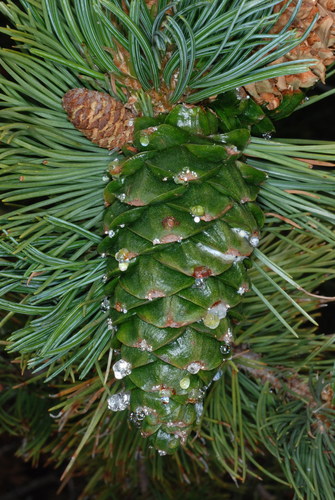
Frequent Companion (c) Douglas Goldman, some rights reserved (CC BY-SA), uploaded by Douglas Goldman · cc-by-sa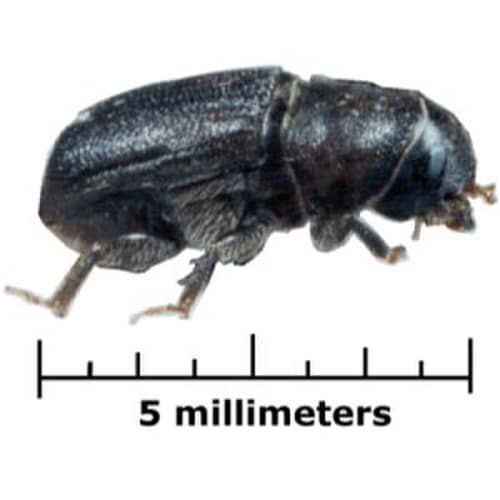
Parasite Wikimedia Commons / Public domain · cc0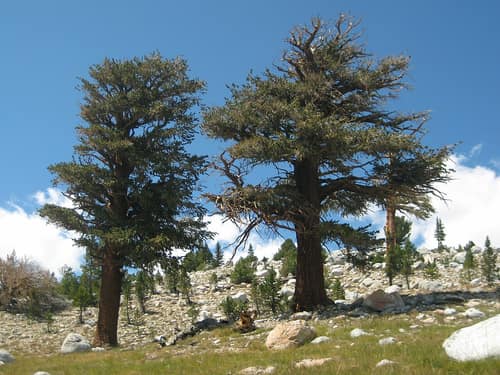
Close Relative Mat Honan from San Francisco, CA, USA / CC BY 2.0 · cc-by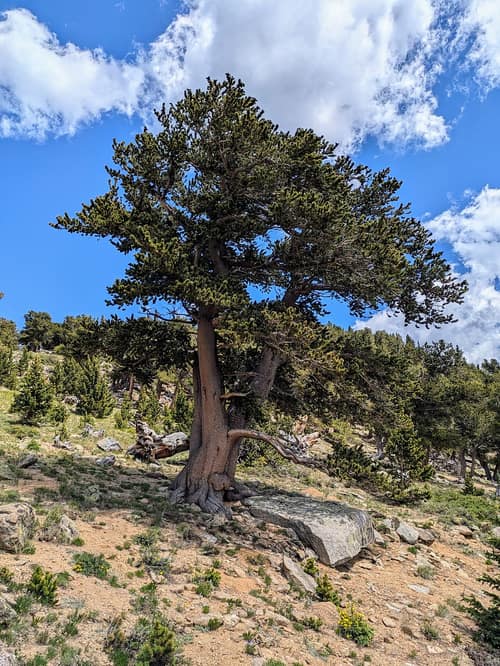
Close Relative MtBotany / CC BY-SA 4.0 · cc-by-sa
Help improve the field guideSomething wrong?
Checking your Fauna account…Report a name, category, or profile issue for review.