
Plant · GBIF taxon 5285551
Limber Pine
Pinus flexilisAlso known as Rocky Mountain White Pine
Limber pine thrives on exposed, windy ridges across western North American mountains, anchored by deep taproots that cling to rocky fractures. Extremely pliant branches allow this five-needled pine to bend under heavy snowpacks and fierce gale-force winds without snapping. Clark's nutcrackers play a vital ecological role by caching millions of wingless pine seeds each autumn, effectively planting the next generation of trees.
High AltitudeEvergreenConifer
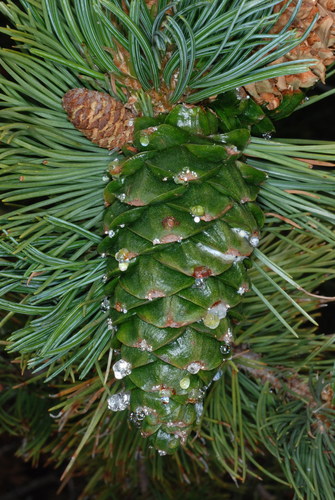
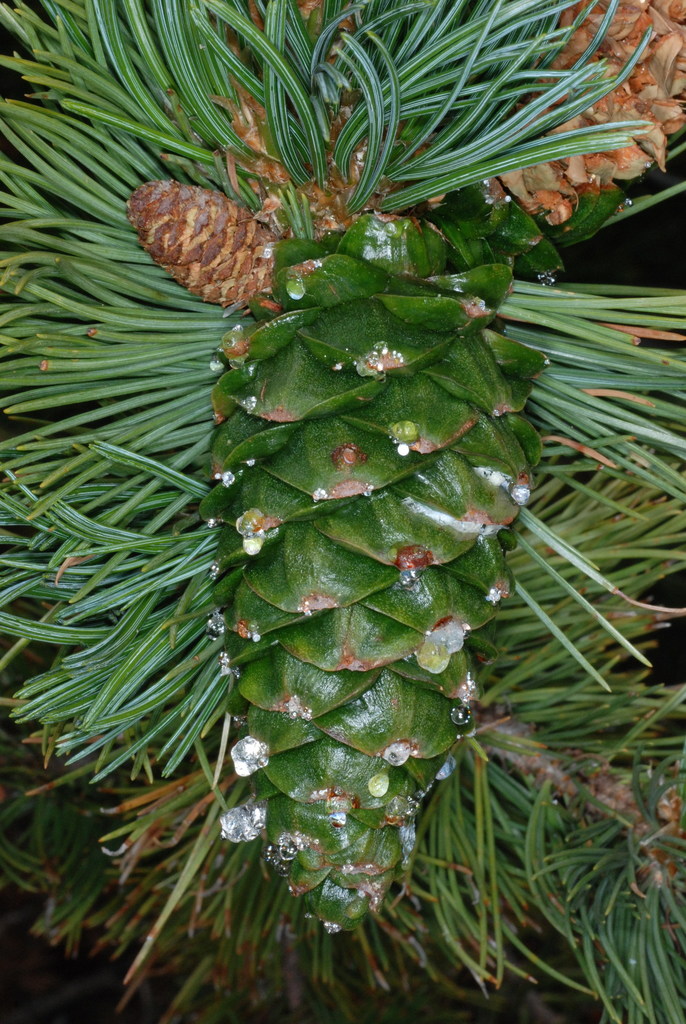 1 / 7
1 / 7—observations
—countries
—peak records
Least ConcernConservation statusIUCN Red List categoriesLCNTVUENCREWEXLeast ConcernRed List categories, explained →
Diet & prey
- Sunlight
- Water
- Soil Minerals
Predators
- Mountain Pine Beetle
- Porcupine
- Red Squirrel
ThreatsWhite pine blister rust, mountain pine beetle outbreaks, climate change
HabitatsSubalpine ridges, rocky slopes, dry mountain peaks
Life span500 to 1,000+ years
Size / weightNot available
Classification
- FamilyPinaceae
- SpeciesPinus flexilis
Range data is not available yet.
Interaction riskLow
- Low
- Moderate
- High
- Very high
- Why interaction risk is low
- Safe to observe at a normal distance.
Responsible observation
- Branch Test: Gently test small twigs, which bend remarkably far without breaking due to flexible wood.
- Needle Bundles: Look for soft needles grouped in clusters of five to confirm identification.
- Cone Inspection: Examine the ground near the base for woody, resinous cones lacking broad seed wings.

Seed Disperser Polinova / CC BY-SA 4.0 · cc-by-sa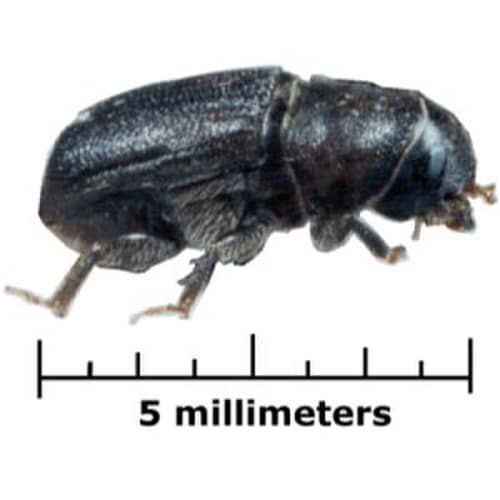
Pest Wikimedia Commons / Public domain · cc0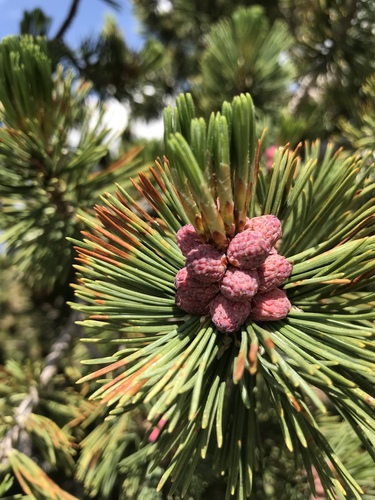
Close Relative (c) Nelson Balcar, some rights reserved (CC BY), uploaded by Nelson Balcar · cc-by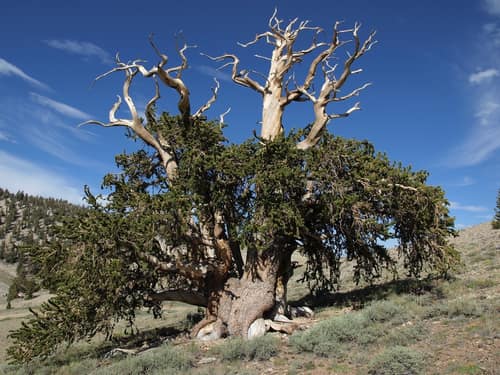
Close Relative (c) Jim Morefield, some rights reserved (CC BY), uploaded by Jim Morefield · cc-by
Help improve the field guideSomething wrong?
Checking your Fauna account…Report a name, category, or profile issue for review.