
Plant · GBIF taxon 5285183
Whitebark Pine
Pinus albicaulisAlso known as White Bark Pine, Pitch Pine, Scrub Pine, Creeping Pine
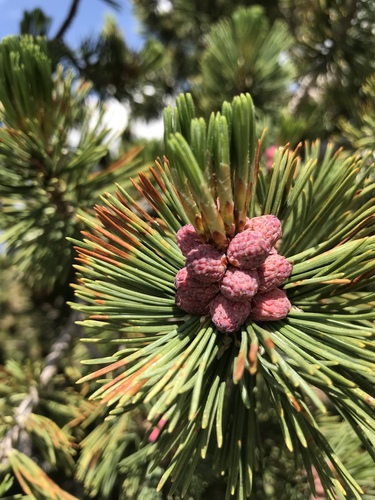
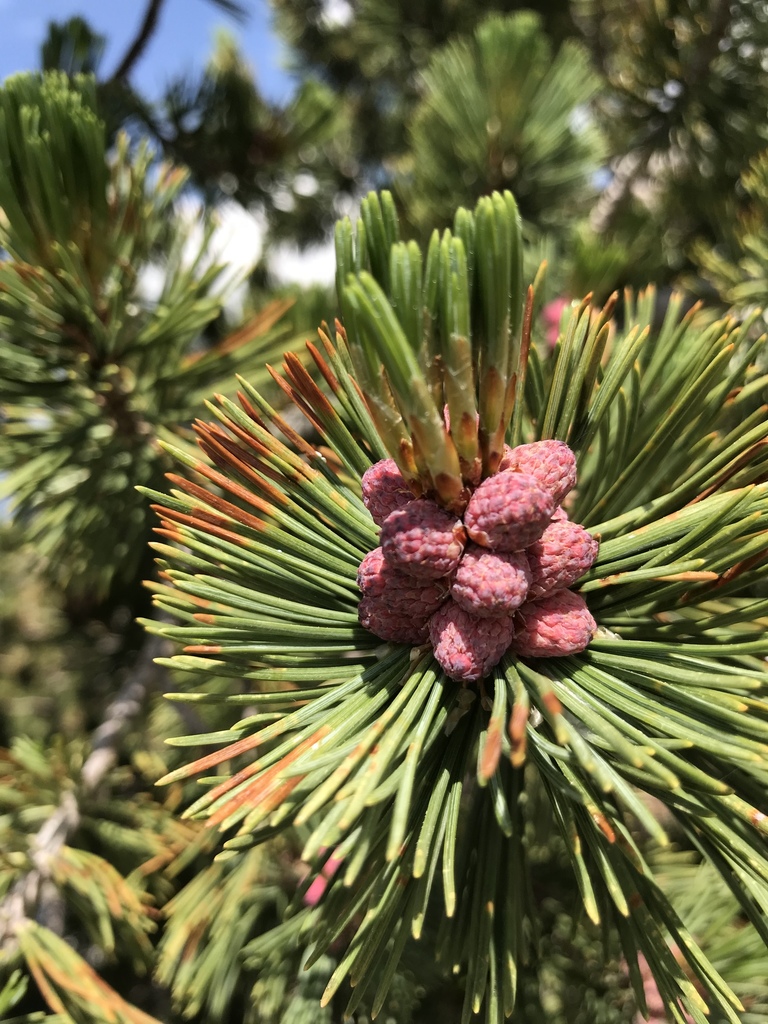
Whitebark pines are rugged, slow-growing conifers that anchor harsh subalpine ecosystems across western mountain ranges. They rely almost entirely on Clark's nutcrackers to harvest and bury their heavy seeds, generating dense clusters of trees where forgotten caches germinate. Invasive blister rust, beetle epidemics, and shifting climates now severely threaten these ancient timberline keystone trees.
AlpineKeystone Species
 1 / 7
1 / 7—observations
—countries
—peak records
EndangeredConservation statusIUCN Red List categoriesLCNTVUENCREWEXEndangeredRed List categories, explained →
Diet & prey
- Sunlight
- Water
- Soil minerals
Predators
- Mountain Pine Beetle
- Clark's Nutcracker
- Red Squirrel
ThreatsWhite pine blister rust, mountain pine beetle, climate change
HabitatsSubalpine slopes, windswept ridges, timberline zones
Life span500–1,000+ years
Classification
- OrderPinales
- FamilyPinaceae
- GenusPinus
- SpeciesPinus albicaulis
Range data is not available yet.
Interaction riskLow
- Low
- Moderate
- High
- Very high
- Why interaction risk is low
- Safe to observe at a normal distance.
- What to notice
- Look for five-needled clusters, smooth grey bark, and sprawling crowns near subalpine timberline zones.
- Support conservation
- Stay on established trails to protect fragile roots and young saplings in sensitive high-elevation habitats.
Responsible observation
- Observation: Look for multi-stemmed growth forms on windswept subalpine ridges.
- Conservation Etiquette: Avoid damaging young saplings when hiking off-trail near timberline.
- Identification: Check for flexible needles grouped in clusters of five.

Symbiont Polinova / CC BY-SA 4.0 · cc-by-sa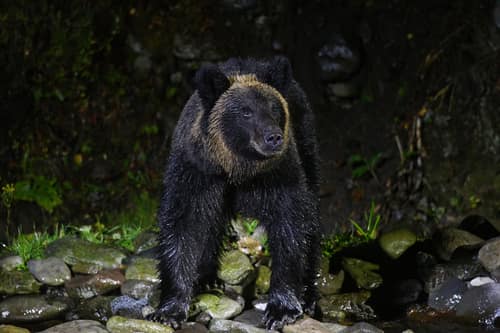
Seed Consumer (c) Nathan Ruser, some rights reserved (CC BY), uploaded by Nathan Ruser · cc-by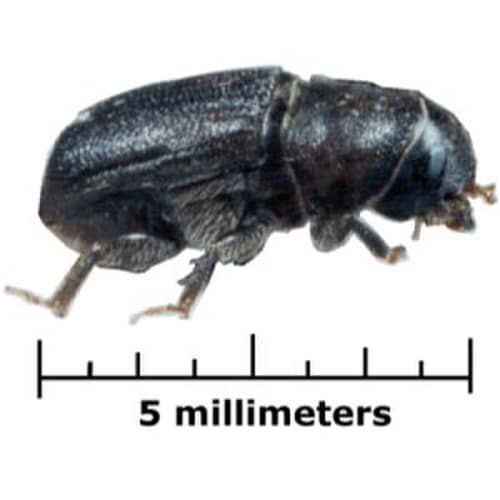
Insect Pest Wikimedia Commons / Public domain · cc0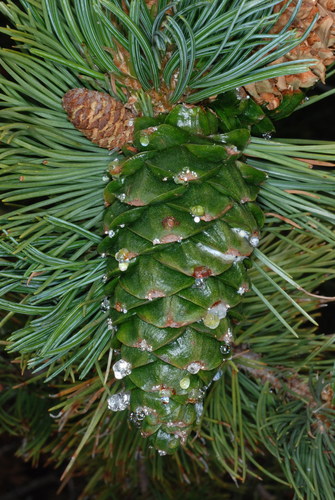
Close Relative (c) Douglas Goldman, some rights reserved (CC BY-SA), uploaded by Douglas Goldman · cc-by-sa
Help improve the field guideSomething wrong?
Checking your Fauna account…Report a name, category, or profile issue for review.