
Plant · GBIF taxon 5285074
Blue Pine
Pinus wallichianaAlso known as Bhutan Pine, Himalayan White Pine, Himalayan Blue Pine, Nishtar
Blue pines dominate high-altitude Himalayan valleys with their graceful weeping form and distinctive blue-green needles that grow in bundles of five. Their unusually long, slender cones hang pendulously from open branches, releasing winged seeds dispersed by mountain winds and foraging birds. Highly valued for resin and fine timber, these majestic conifers anchor high-mountain forest ecosystems across South Asia.
EvergreenConiferMountain
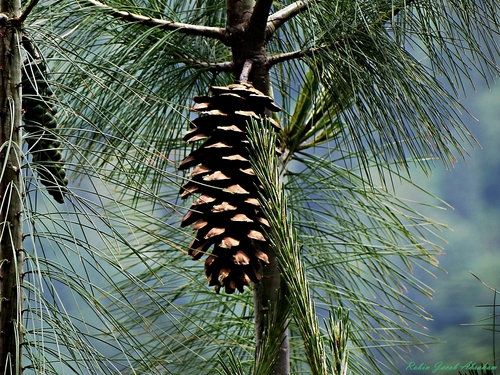
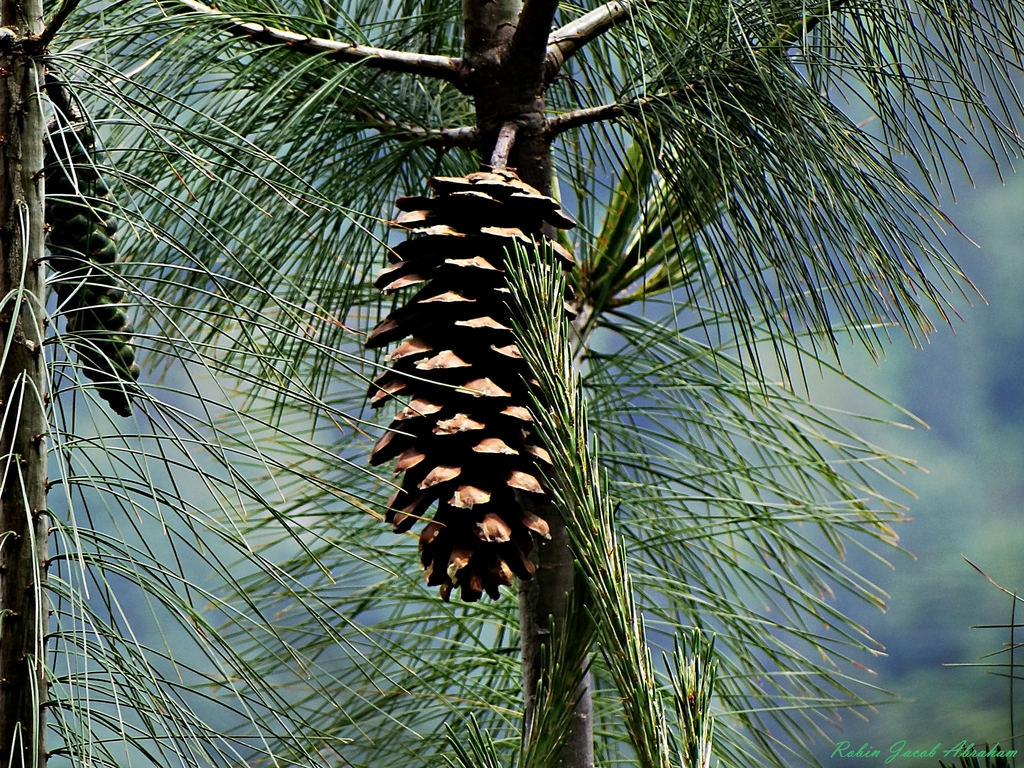
—observations
—countries
—peak records
Least ConcernConservation statusIUCN Red List categoriesLCNTVUENCREWEXLeast ConcernRed List categories, explained →
Diet & prey
- Autotrophic (Photosynthetic)
Predators
- Pine Bark Beetles
- Pine Weevils
ThreatsDeforestation, habitat fragmentation, pine beetle outbreaks
HabitatsMontane coniferous forests, mountain valleys, subalpine zones
Life span200–400 years
Classification
- FamilyPinaceae
- SpeciesPinus wallichiana
Range data is not available yet.
Interaction riskLow
- Low
- Moderate
- High
- Very high
- Why interaction risk is low
- Safe to observe at a normal distance.
Responsible observation
- Needle Identification: Look for soft, flexible needles bundled in groups of five that droop in weeping clusters.
- Cone Observation: Search near the base of mature trees for slender, resinous cones reaching up to 30 cm in length.
- Habitat Spotting: Scan sunny, well-drained mountain slopes between 1,800 and 4,300 meters elevation.
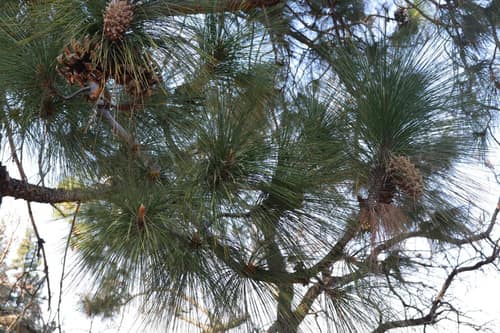
Co-Occurring Conifer (c) Hildegard Klein, some rights reserved (CC BY), uploaded by Hildegard Klein · cc-by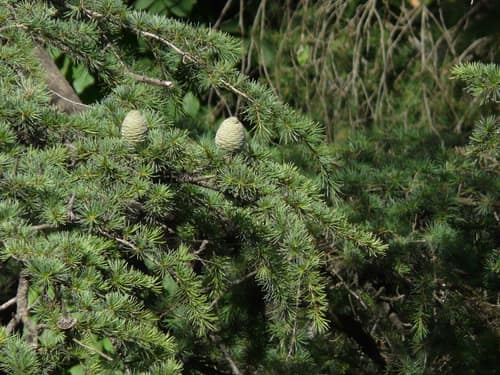
Forest Companion (c) Dinesh Valke, some rights reserved (CC BY-SA) · cc-by-sa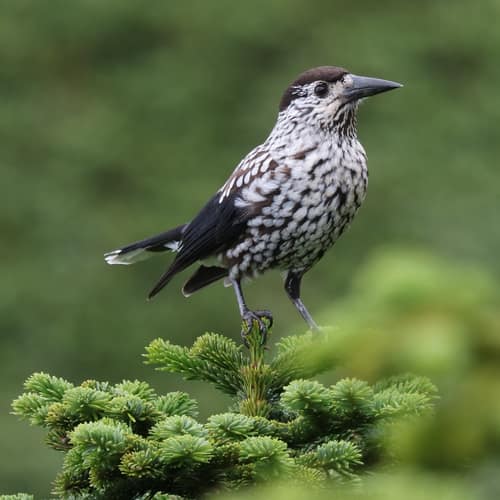
Seed Disperser (c) Alpsdake, some rights reserved (CC BY-SA) · cc-by-sa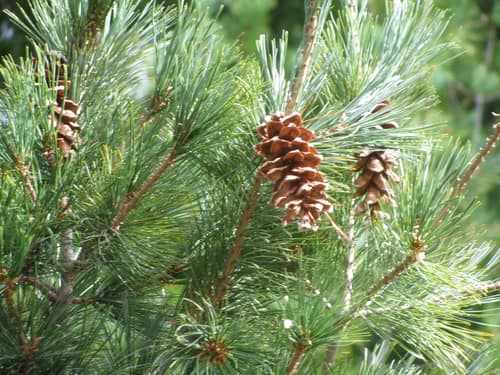
Close Relative (c) Forest and Kim Starr, some rights reserved (CC BY) · cc-by
Help improve the field guideSomething wrong?
Checking your Fauna account…Report a name, category, or profile issue for review.