
Plant · GBIF taxon 5284698
Deodar Cedar
Cedrus deodaraAlso known as Himalayan Cedar, Deodar
Majestic evergreen conifers native to the high Himalayas, these trees are distinguished by their weeping branch tips and gracefully drooping top leader shoot. Fine needles grow in dense, rosette-like whorls along short shoots, ranging in color from bright glaucous blue-green to dark forest green. Revered in traditional Himalayan culture, they form expansive high-elevation forests that anchor mountain soil against erosion.
EvergreenConiferHimalayan
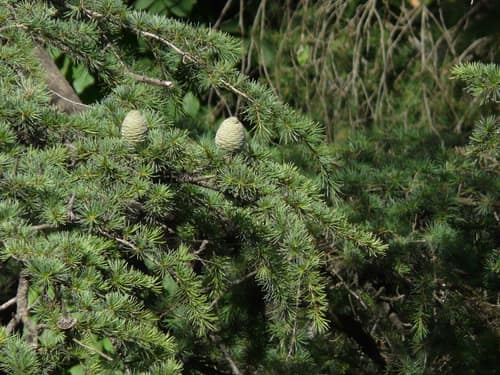
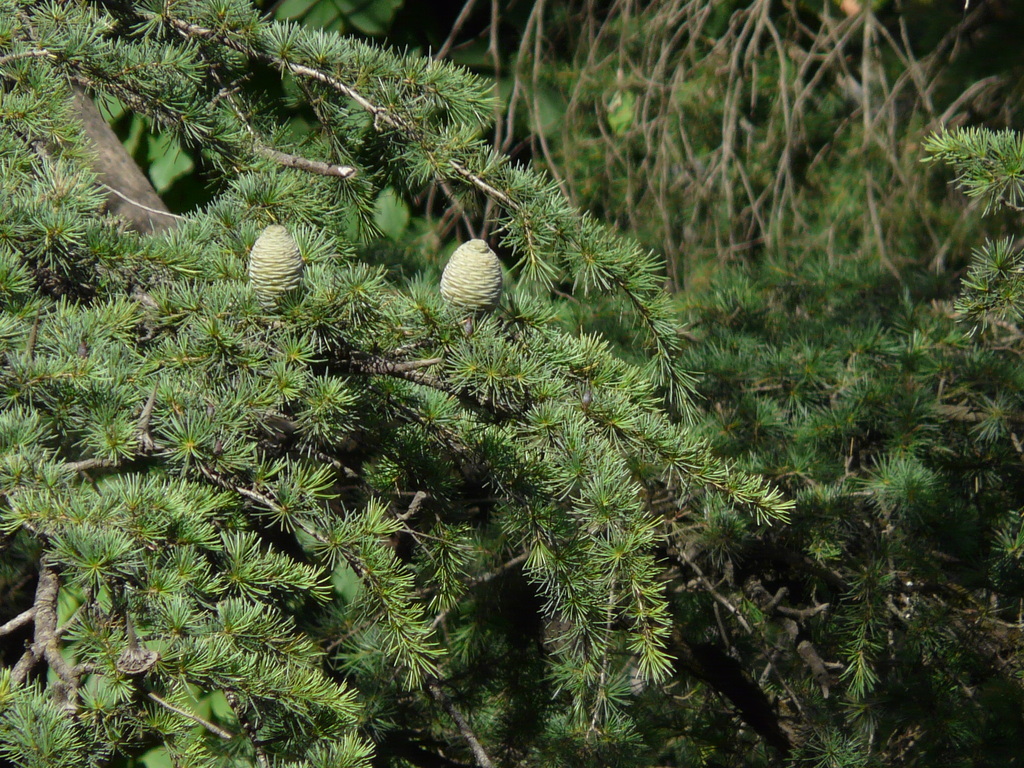
—observations
—countries
—peak records
Least ConcernConservation statusIUCN Red List categoriesLCNTVUENCREWEXLeast ConcernRed List categories, explained →
Diet & prey
- Sunlight
- Water
- Soil Minerals
Predators
- Bark Beetles
- Aphids
ThreatsDeforestation, overharvesting for timber, climate change
HabitatsMontane slopes, temperate mountain forests, urban parks
Life span300–600 years
Size / weightNot available
Classification
- OrderPinales
- FamilyPinaceae
- GenusCedrus
- SpeciesCedrus deodara
Range data is not available yet.
Interaction riskLow
- Low
- Moderate
- High
- Very high
- Why interaction risk is low
- Safe to observe at a normal distance.
Responsible observation
- Leader Shoot: Spot the characteristic nodding top leader that distinguishes young trees from other conifers.
- Foliage Inspection: Look closely at spur shoots to see needles arranged in dense, circular rosettes.
- Bark Texture: Observe the dark, deeply furrowed bark on older specimens in mature forests or parks.
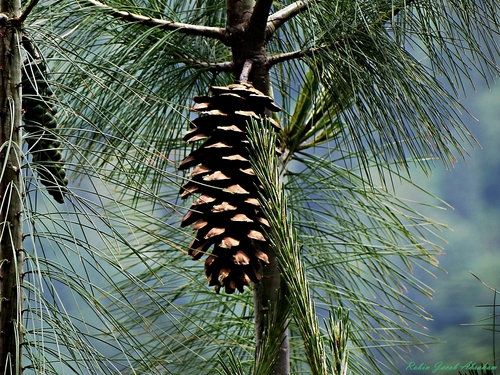
Native Companion (c) Robin Abraham, bazı hakları saklıdır (CC BY) · cc-by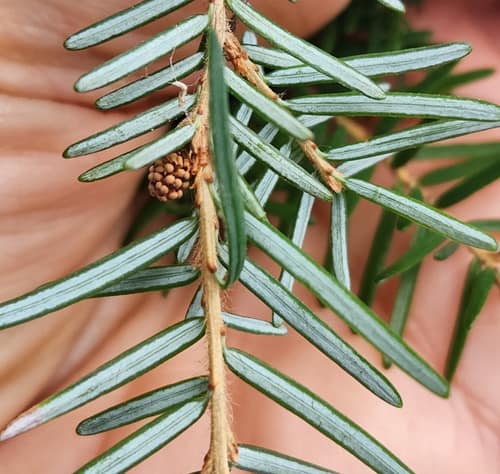
Similar Habit (c) Lyrae, some rights reserved (CC BY), uploaded by Lyrae · cc-by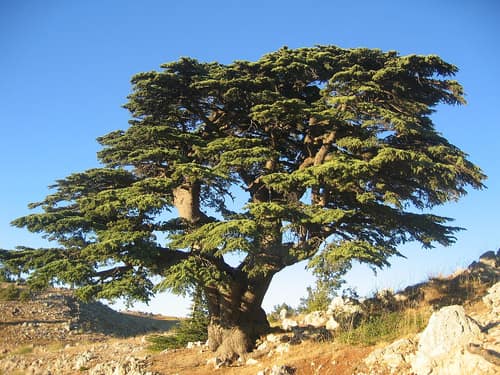
Close Relative Olivier BEZES / CC BY 2.5 · cc-by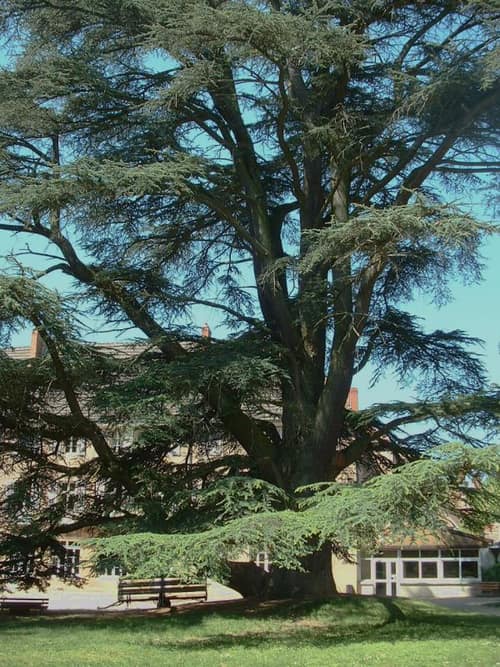
Close Relative Wikimedia Commons / CC BY-SA 3.0 · cc-by-sa
Help improve the field guideSomething wrong?
Checking your Fauna account…Report a name, category, or profile issue for review.