
Plant · GBIF taxon 5284702
Atlas Cedar
Cedrus atlanticaAlso known as Atlantic Cedar, Blue Atlas Cedar
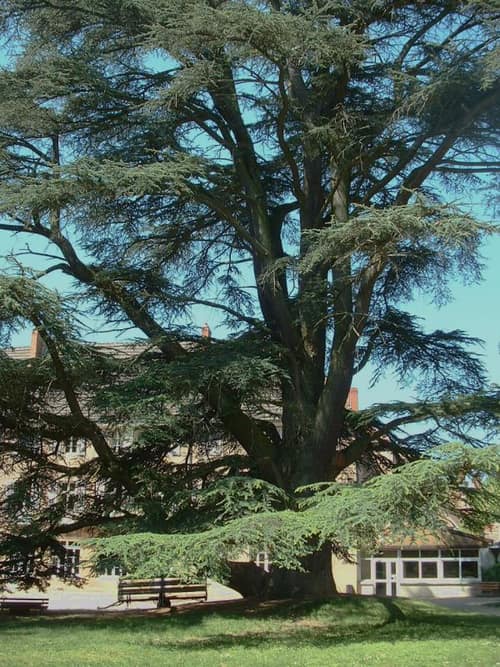
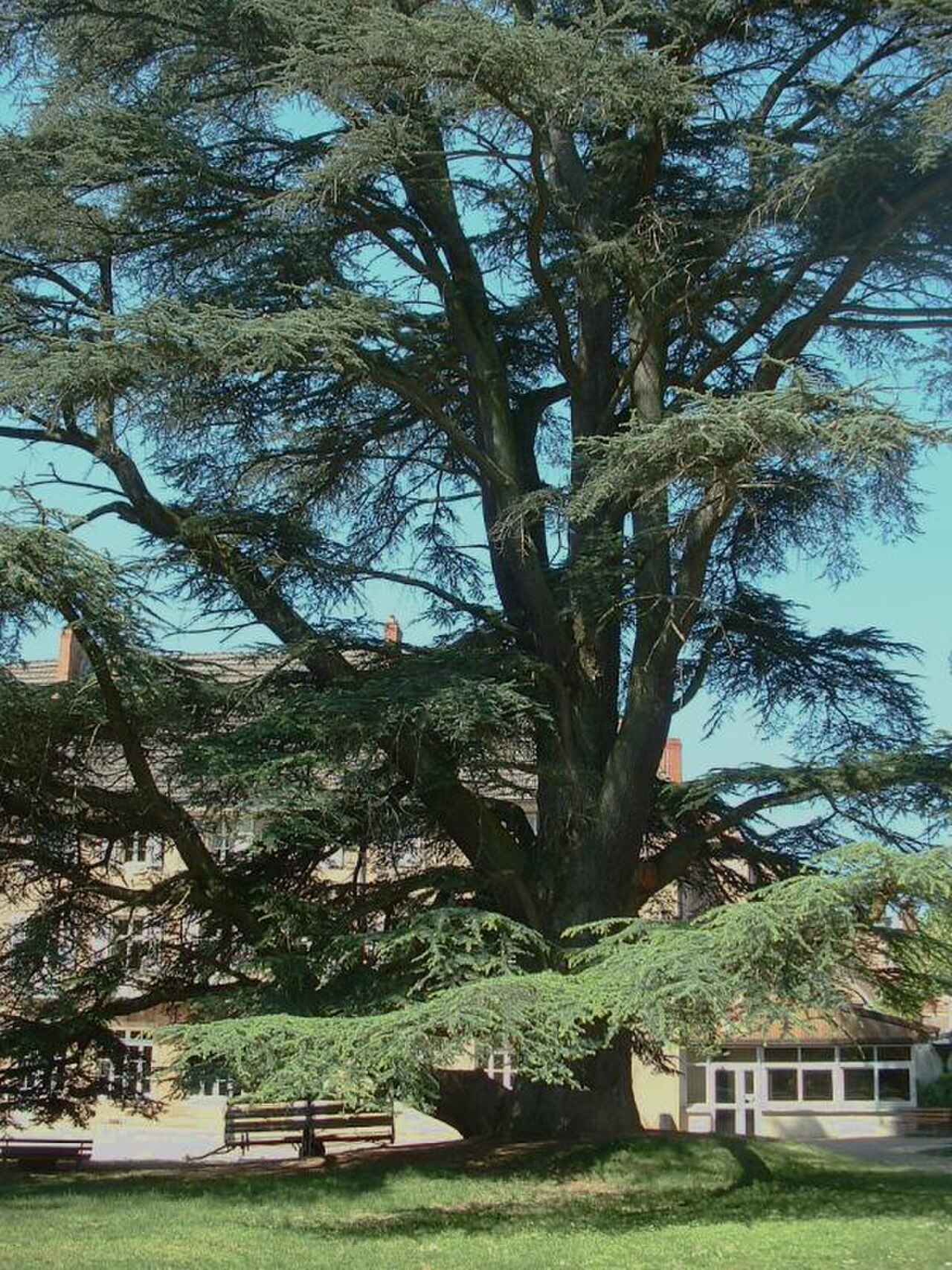
Atlas cedars dominate high-altitude Mediterranean forests, forming imposing stands with sweeping horizontal branches and silvery blue-green needle clusters. Their aromatic wood and high resin content historically made them prized timber trees, though modern wild populations face severe climate drying and overgrazing pressures. Cultivars with intense silver foliage are widely planted in parks across temperate regions worldwide.
EvergreenConiferMountain Native
—observations
—countries
—peak records
EndangeredConservation statusIUCN Red List categoriesLCNTVUENCREWEXEndangeredRed List categories, explained →
Diet & prey
- Autotrophic (Photosynthesis)
Predators
- Atlas Cedar Processionary Moth
- Bark beetles
ThreatsDrought, climate change, overgrazing, timber extraction, pests
HabitatsMontane forests, rocky mountain slopes, Mediterranean cedar woodlands
Life span500–1,000 years
Size / weightNot available
Classification
- OrderPinales
- FamilyPinaceae
- GenusCedrus
- SpeciesCedrus atlantica
Range data is not available yet.
Interaction riskLow
- Low
- Moderate
- High
- Very high
- Why interaction risk is low
- Safe to observe at a normal distance.
- What to notice
- Recognized by its tall pyramidal form, silver-blue foliage tufts, and native high-mountain habitat.
- Support conservation
- Stay on established trail networks to avoid trampling delicate saplings or disturbing soil.
Responsible observation
- Observation: Look for upright, barrel-shaped cones sitting atop thick horizontal branches.
- Identification: Check for dense clusters of short, glaucous blue-green needles on spur shoots.
- Seasonality: Watch for small male cones shedding yellow pollen clouds during late summer and autumn.
 Image unavailable
Herbivore 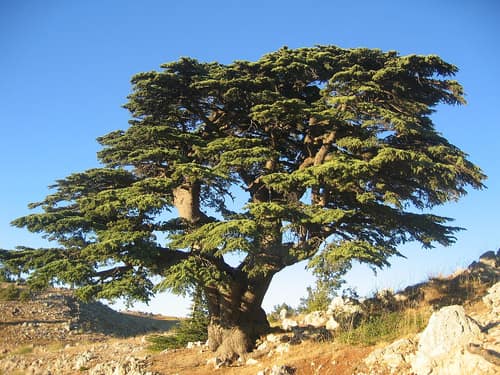
Close Relative Olivier BEZES / CC BY 2.5 · cc-by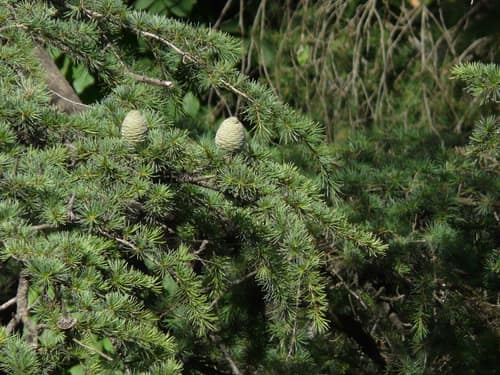
Close Relative (c) Dinesh Valke, some rights reserved (CC BY-SA) · cc-by-saClose Relative
Help improve the field guideSomething wrong?
Checking your Fauna account…Report a name, category, or profile issue for review.