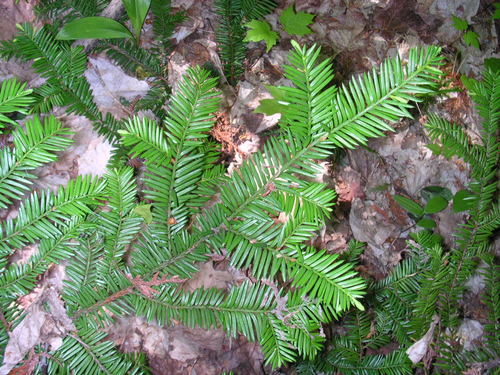
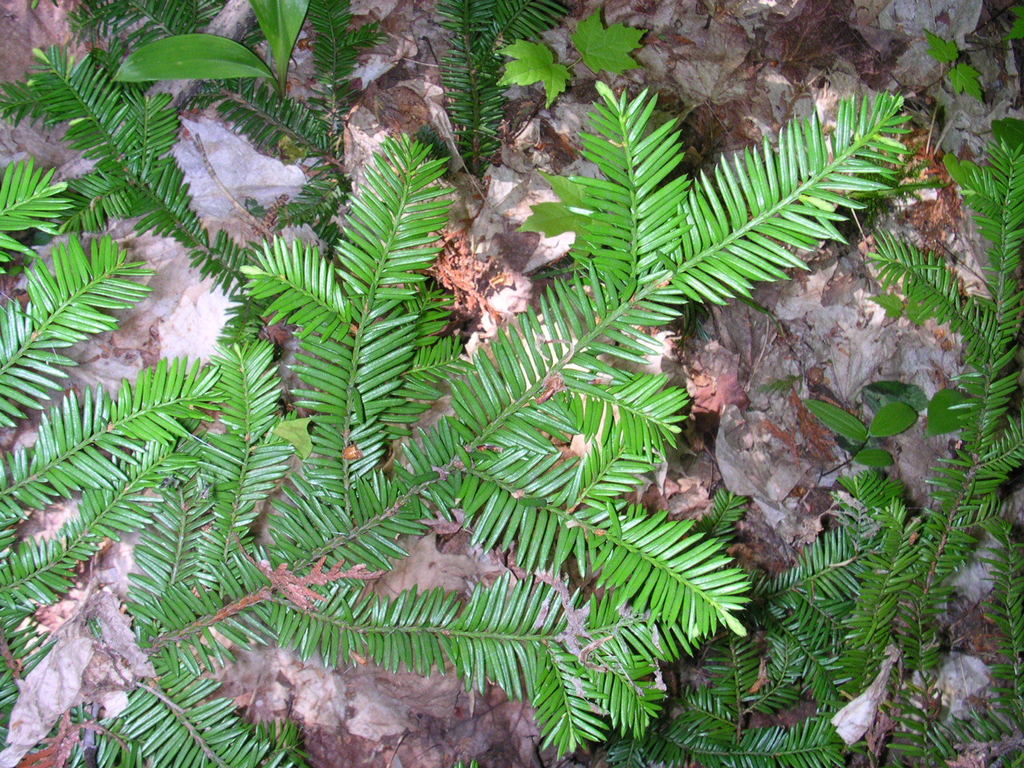
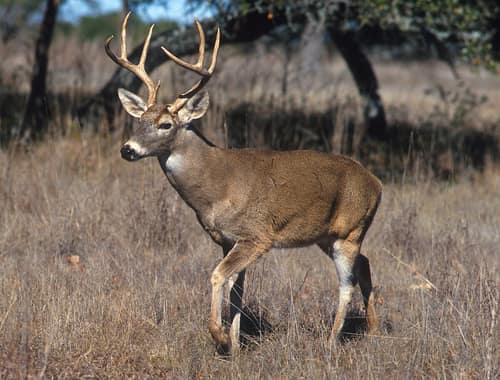
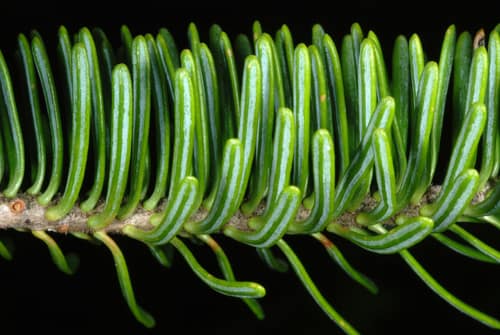
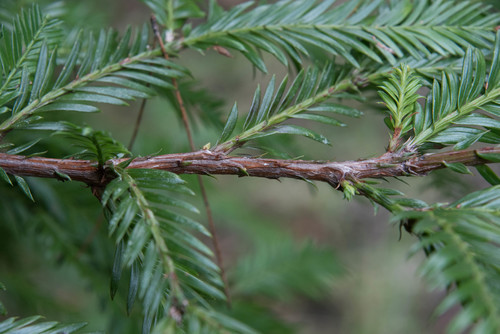
Canada yew forms low, sprawling evergreen mats across shaded forest floors, often rooting where its arching branches touch damp soil. Unlike most conifers, it produces no woody cones, instead bearing a single dark seed nestled inside a bright red, cup-shaped aril that attracts songbirds and small mammals for dispersal. Heavy winter browsing by white-tailed deer has reduced dense thickets across much of its central and eastern North American range.
Diet & preyPhotosynthetic autotroph; absorbs water and nutrients from moist, acidic forest soils
Predators
White-tailed Deer
Moose
Snowshoe Hare
ThreatsHeavy browsing by white-tailed deer, habitat fragmentation, and logging
HabitatsSwampy woods, shaded ravines, riverbanks, and lake shores across central and eastern North America
Life span50 to 100+ years
Classification
FamilyTaxaceae
SpeciesTaxus canadensis
Range & activity
Range data is not available yet.
Safe observation
Interaction riskHigh
Low
Moderate
High
Very high
Why interaction risk is high
Needles, bark, and seeds contain deadly taxine alkaloids; wild berries also have toxic look-alikes, so never eat.
Why it is dangerous
Foliage, bark, and seeds contain taxine alkaloids that disrupt sodium and calcium channels in the heart, causing severe gastrointestinal distress, sudden cardiac arrhythmias, and potentially fatal collapse in humans, pets, and livestock.
How to recognize a risky encounter
Recognize it as a low, sprawling evergreen shrub with flat, pointed, dark green needles arranged in two rows and pale yellow-green undersides, bearing bright red, cup-like arils around a single dark seed in late summer.
What to do
Observe without picking or pruning bare-handed, keep children and pets away from fallen needles and arils, and seek immediate medical or veterinary care if any part is swallowed.
Responsible observation
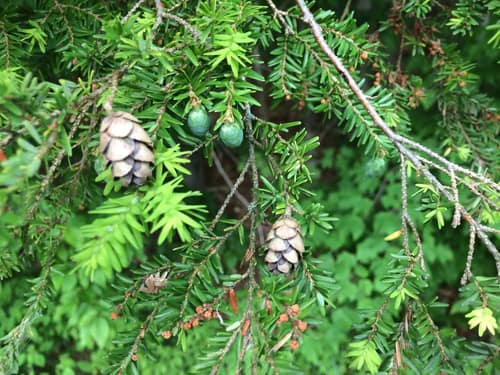
Look Under the Needles: Check for pale yellow-green undersides without the two white stripes seen on eastern hemlock.
Keep Pets Away: Never let dogs chew fallen needles or red arils, as the seeds and foliage are deadly.
Check Damp Ravines: Search cool, shaded north-facing slopes and mossy riverbanks where deer browsing is lighter.