
Fungus · GBIF taxon 5248629
Saffron Milk Cap
Lactarius deliciosusAlso known as Delicious Milk Cap, Red Pine Mushroom
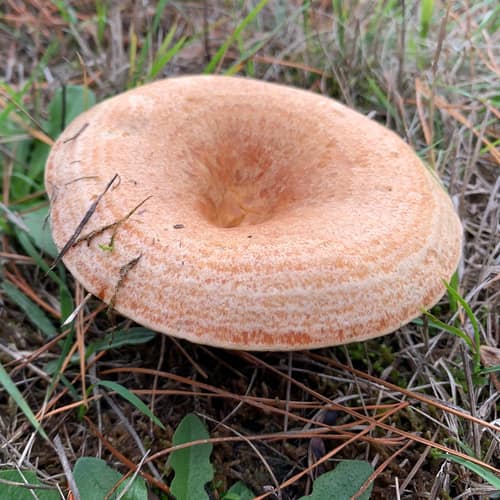
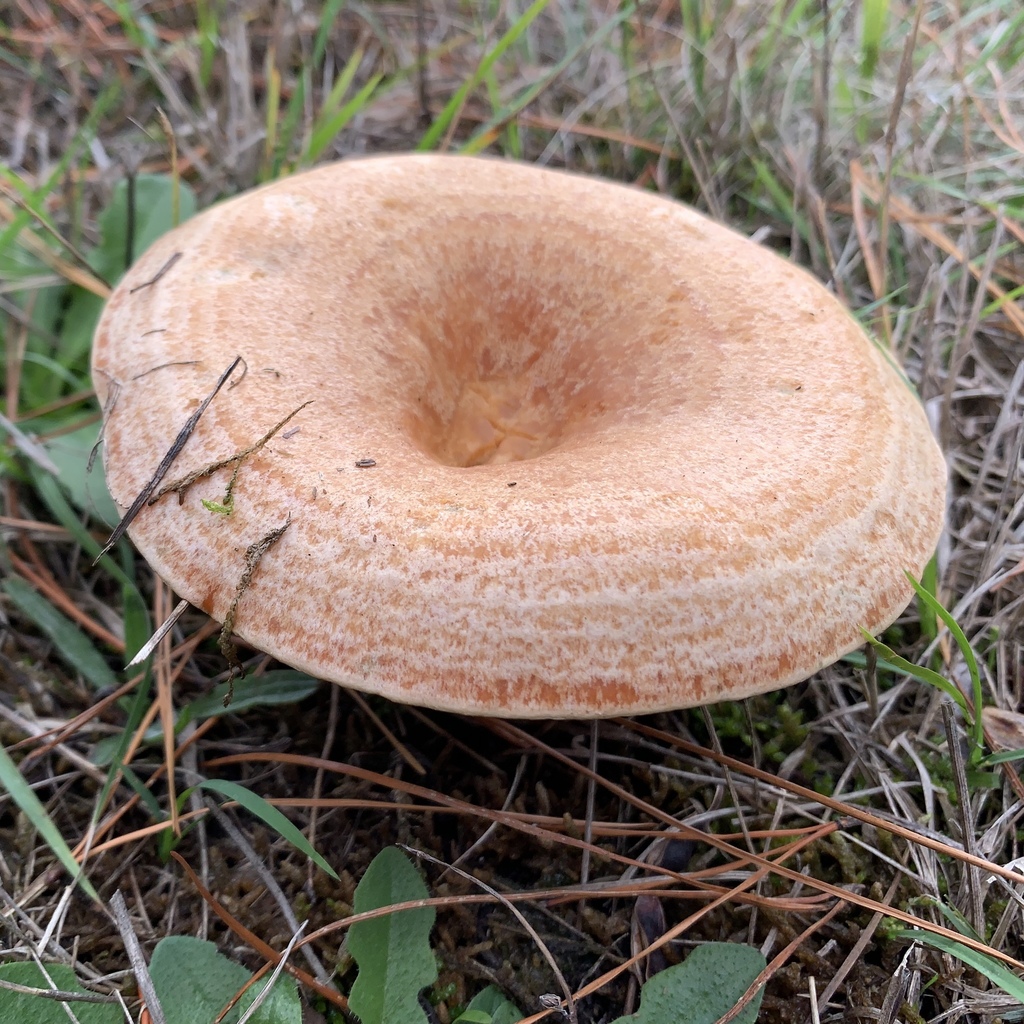
Saffron milk caps form vital mycorrhizal partnerships with pine trees, exchanging soil nutrients for tree-produced sugars. The distinctive mushroom features concentric rings of orange on its cap and exudes a bright carrot-colored latex when cut or damaged. Over several hours, bruised areas on the cap and stem slowly oxidize into a characteristic dull green color.
SymbioticForestPine Specialist
 1 / 7
1 / 7—observations
—countries
—peak records
Least ConcernConservation statusIUCN Red List categoriesLCNTVUENCREWEXLeast ConcernRed List categories, explained →
Diet & prey
- Mycorrhizal (symbiotic with pine roots)
Predators
- Fungus gnats
- Slugs
- Squirrels
ThreatsHabitat loss, clear-cutting of pine host trees
HabitatsPine forests, conifer plantations, woodland edges
Life spanMycelium lives indefinitely; fruitbodies last 1–2 weeks
Size / weightNot available
Classification
- OrderRussulales
- FamilyRussulaceae
- GenusLactarius
- SpeciesLactarius deliciosus
Range data is not available yet.
Interaction riskLow
- Low
- Moderate
- High
- Very high
- Why interaction risk is low
- Many wild mushrooms have toxic look-alikes; never eat wild fungi based on app identification alone.
Responsible observation
- Observe latex: Slice the gills gently to see bright orange fluid emerge and slowly turn green.
- Check host trees: Look for fruitbodies growing under two-needle pines in late summer and autumn.
- Note cap staining: Examine older specimens for characteristic dull green bruising along the cap margin.
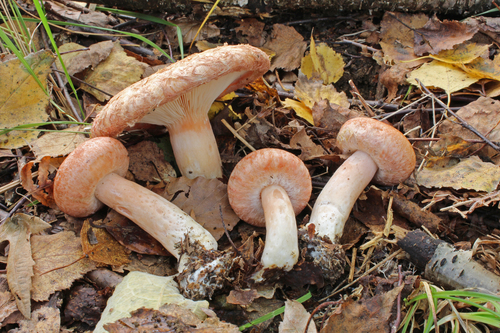
Look-alike (c) Davide Puddu, some rights reserved (CC BY), uploaded by Davide Puddu · cc-by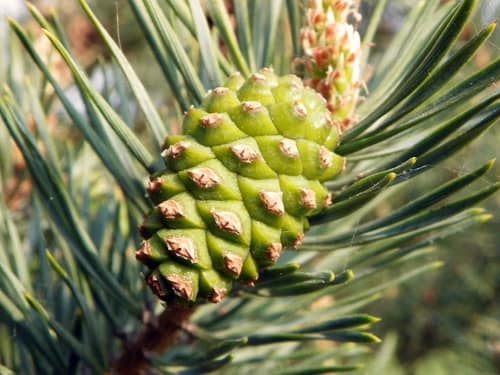
Host Plant (c) anemoneprojectors (no internet at the moment), some rights reserved (CC BY-SA) · cc-by-sa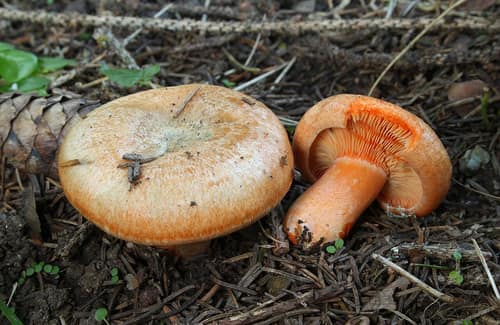
Close Relative Holger Krisp / CC BY 3.0 · cc-by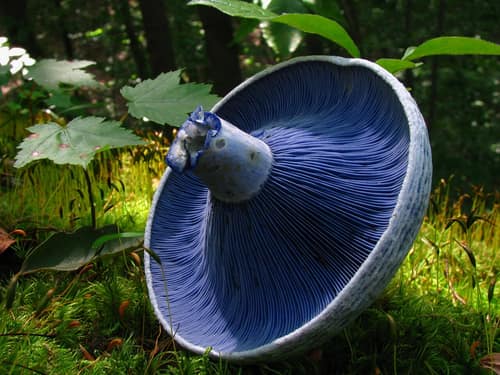
Close Relative Dan Molter / CC BY-SA 3.0 · cc-by-sa
Help improve the field guideSomething wrong?
Checking your Fauna account…Report a name, category, or profile issue for review.