
Fungus
Violet-toothed Polypore
Trichaptum biformeAlso known as Violet-pored Bracket Fungus, Purple Tooth, Violet Tooth
Violet-toothed polypores adorn dead hardwood logs in dense, overlapping fan-like clusters. Fresh growing specimens display a vivid violet or lilac margin along their thin caps, fading to greyish-tan as they age, while the underside features tiny tooth-like pores. These hardy wood-decay fungi play an essential ecological role by breaking down lignin and recycling nutrients back into forest soils.
Shelf FungusWood DecayerSaprotrophic
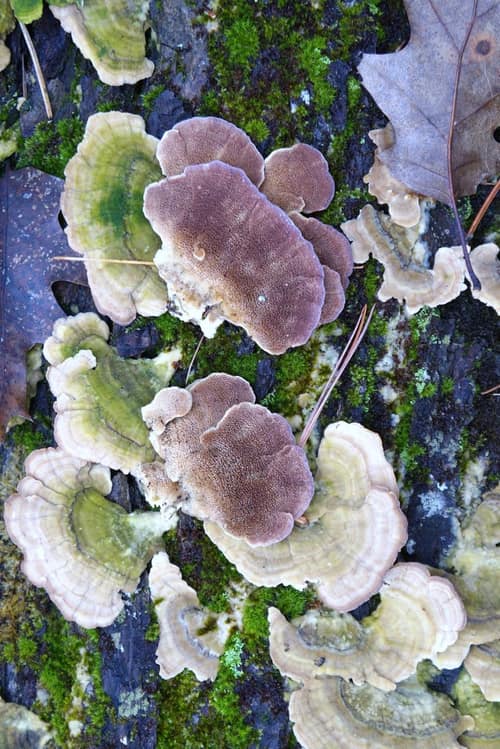
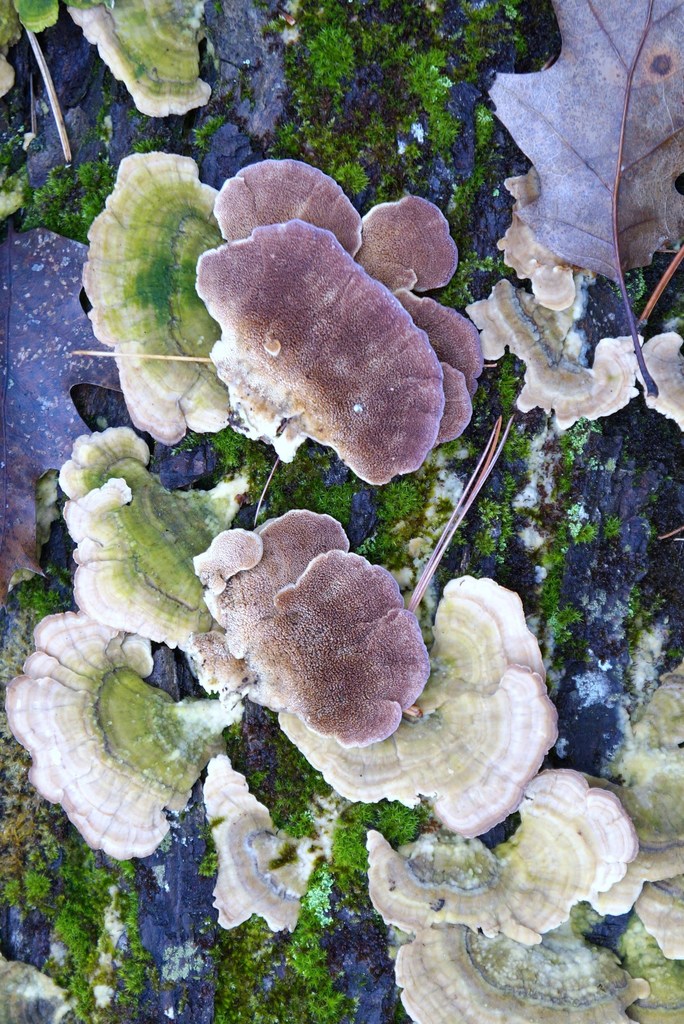
—observations
—countries
—peak records
Not EvaluatedConservation statusIUCN Red List categoriesLCNTVUENCREWEXNot Evaluated — not placed on the risk ladderRed List categories, explained →
Diet & preyDecaying oak wood, Decaying birch wood, Decaying maple wood
Predators
- Fungus beetles
- Fungus gnat larvae
- Slugs
ThreatsWidespread deforestation
HabitatsHardwood forests and mixed woodlands
Life spanFruit bodies last several months to a year
Classification
- OrderHymenochaetales
- FamilyHymenochaetaceae
- GenusTrichaptum
- SpeciesTrichaptum biforme
Range data is not available yet.
Interaction riskLow
- Low
- Moderate
- High
- Very high
- Why interaction risk is low
- Many edible mushrooms have toxic look-alikes; never eat wild fungi based on app identification alone.
Responsible observation
- Underside Inspection: Turn over a shelf to check for the distinctive purple to brownish tooth-like pores.
- Substrate Clues: Note the host wood, as this fungus prefers hardwoods like oak, birch, and maple.
- Age Recognition: Look for bright violet rim margins on younger, actively growing caps.
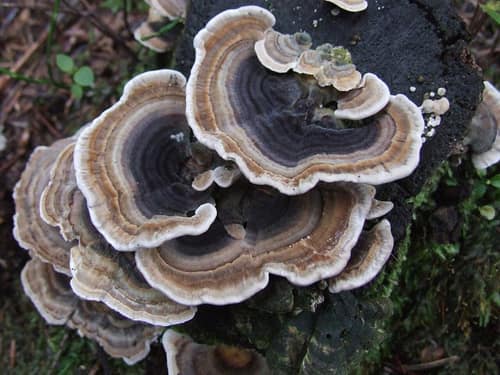
Look-alike Jerzy Opioła / CC BY-SA 3.0 · cc-by-sa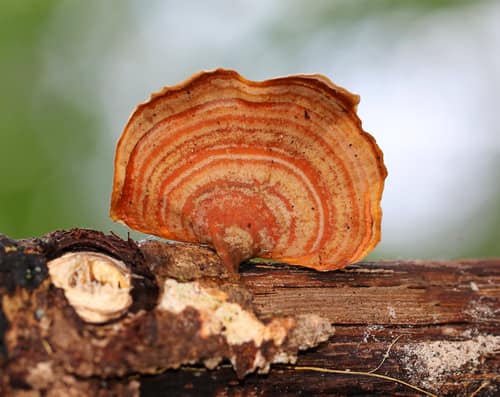
Look-alike (c) Christine Young, some rights reserved (CC BY), uploaded by Christine Young · cc-by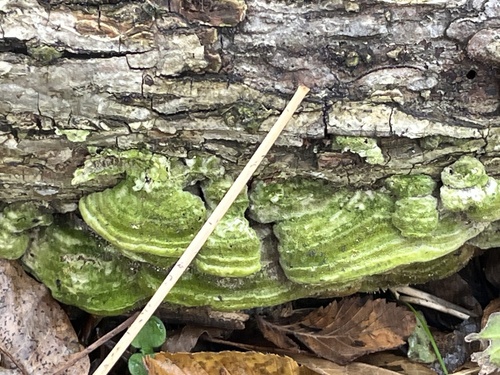
Competitor no rights reserved · cc0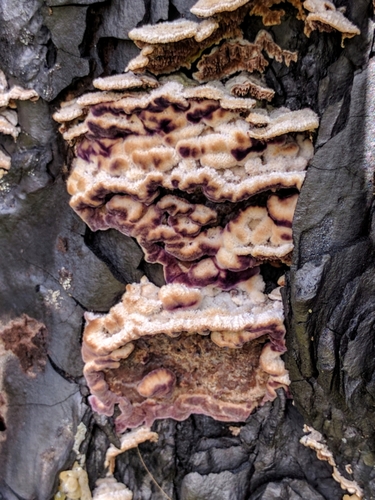
Close Relative (c) Ken-ichi Ueda, some rights reserved (CC BY), uploaded by Ken-ichi Ueda · cc-by
Help improve the field guideSomething wrong?
Checking your Fauna account…Report a name, category, or profile issue for review.