
Fungus · GBIF taxon 5246472
Cinnabar Bracket
Pycnoporus sanguineusAlso known as Tropical Cinnabar Polypore, Cinnabar Polypore
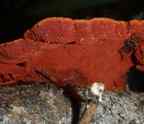
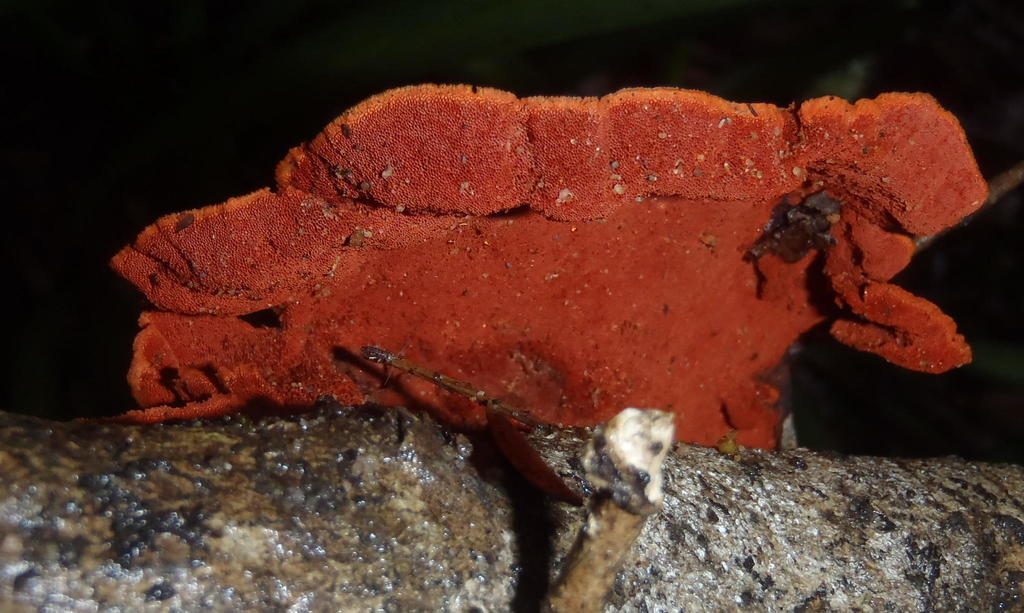
Vivid orange-red brackets of the cinnabar bracket stand out against bleached fallen timber across tropical and subtropical forests. This saprotrophic fungus plays a vital ecological role breaking down tough lignin in dead hardwoods and recycling essential nutrients into the soil. Its tough, leathery fruiting bodies persist for months on decaying wood, gradually fading to soft salmon tones as they age in direct sunlight.
SaprotrophicBrightly ColoredWood-Decaying
—observations
—countries
—peak records
Not EvaluatedConservation statusIUCN Red List categoriesLCNTVUENCREWEXNot Evaluated — not placed on the risk ladderRed List categories, explained →
Diet & prey
- Saprotrophic (decomposing dead hardwood lignin and cellulose)
Predators
- Fungus beetles
- Slugs
- Fungus gnat larvae
ThreatsSevere land clearing and deforestation
HabitatsTropical and subtropical forests, woodlands, fallen wood
Life spanFruiting bodies last several months; underground mycelium lives years
Size / weightNot available
Classification
- FamilyPolyporaceae
- SpeciesPycnoporus sanguineus
Range data is not available yet.
Interaction riskLow
- Low
- Moderate
- High
- Very high
- Why interaction risk is low
- Many edible mushrooms have toxic look-alikes; never eat wild fungi based on app identification alone.
Responsible observation
- Substrate Observation: Look for these vibrant shelf fungi on exposed dead hardwood logs in sunlit clearings.
- Color Variation: Note how older specimens fade from intense orange-red to a pale salmon tone.
- Underside Inspection: Examine the tiny, densely packed pore surface on the reddish underside.
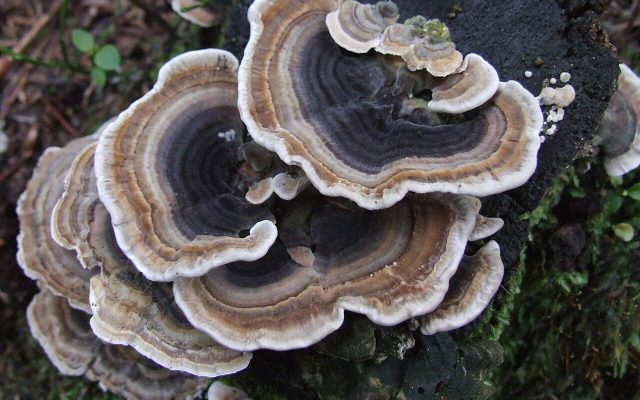
Fellow Polypore Jerzy Opioła / CC BY-SA 3.0 · cc-by-sa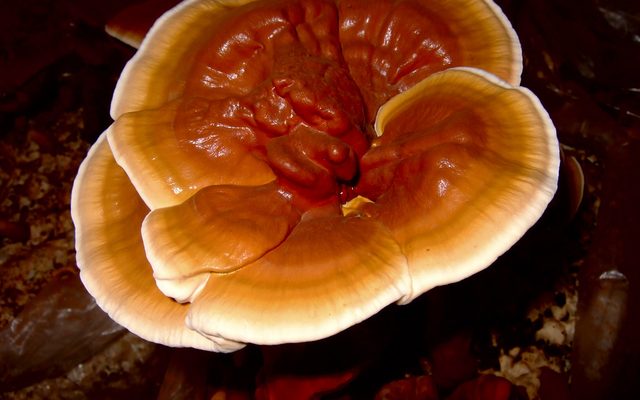
Ecological Neighbor "Reishi Mushroom" by Wendell Smith is licensed under CC BY 2.0. To view a copy of this license, visit https://creativecommons.org/licenses/by/2.0/. · cc-by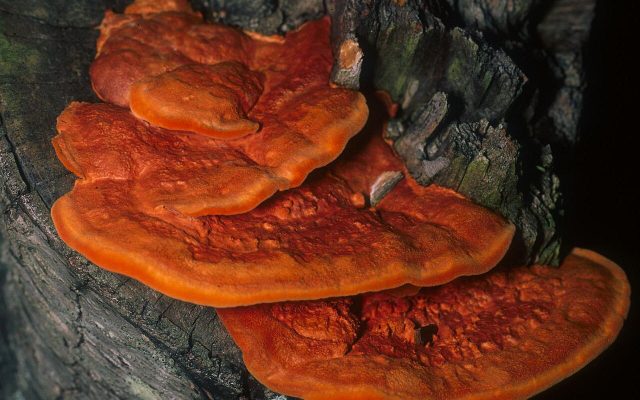
Temperate Relative This image was created by user Nathan Wilson (nathan) at Mushroom Observer, a source for mycological images.You can contact this user here. / CC BY-SA 3.0 · cc-by-sa
Help improve the field guideSomething wrong?
Checking your Fauna account…Report a name, category, or profile issue for review.