Also known as Yellow-Staining Agaricus, Yellow-Staining Mushroom, Yellow Stainer Mushroom
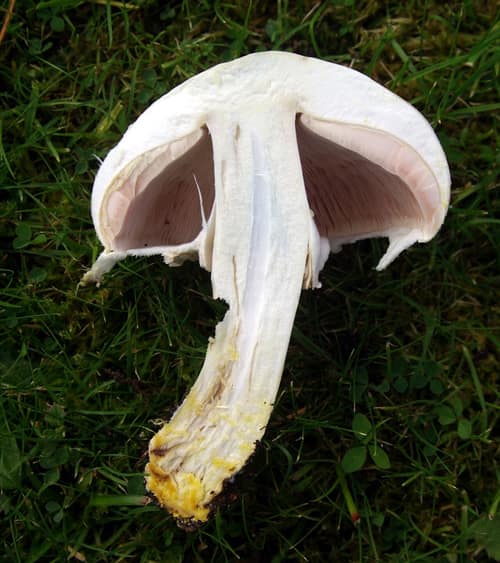
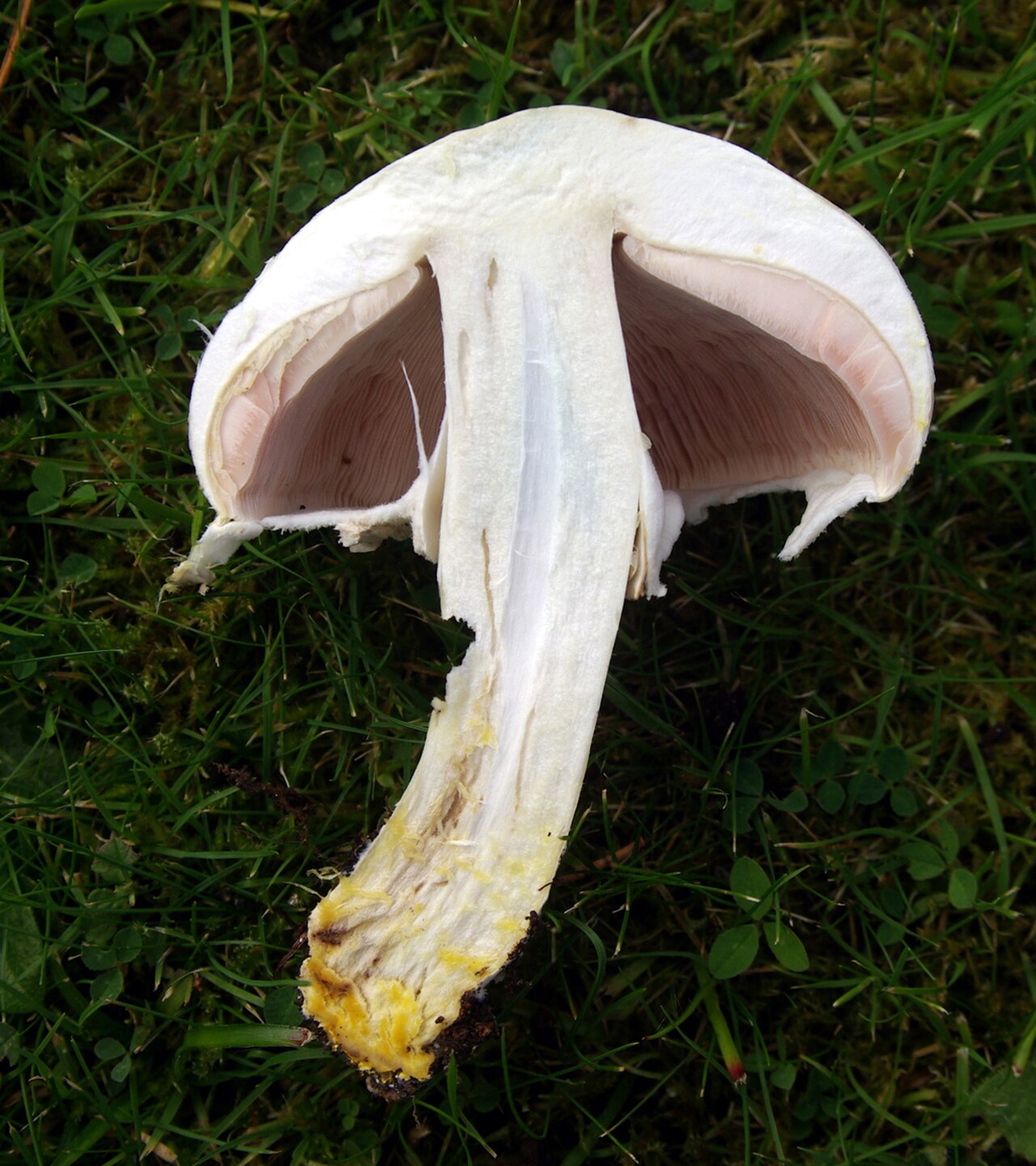
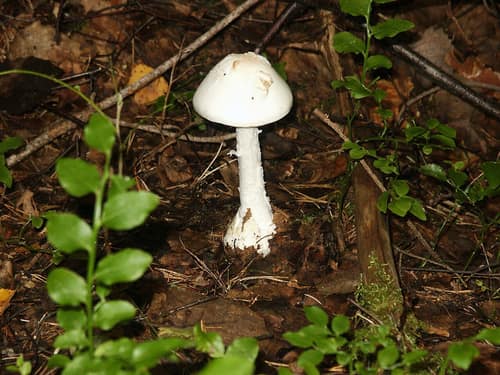
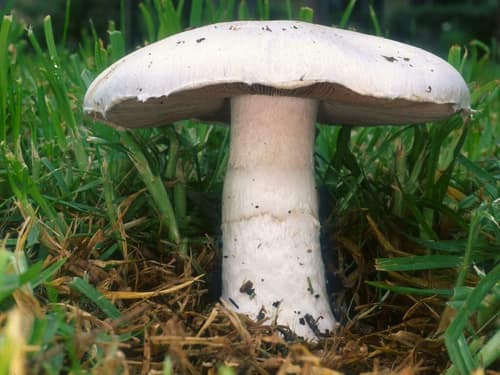
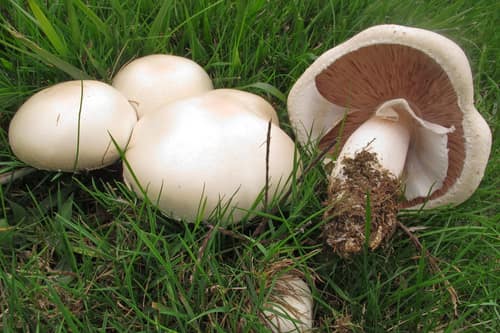
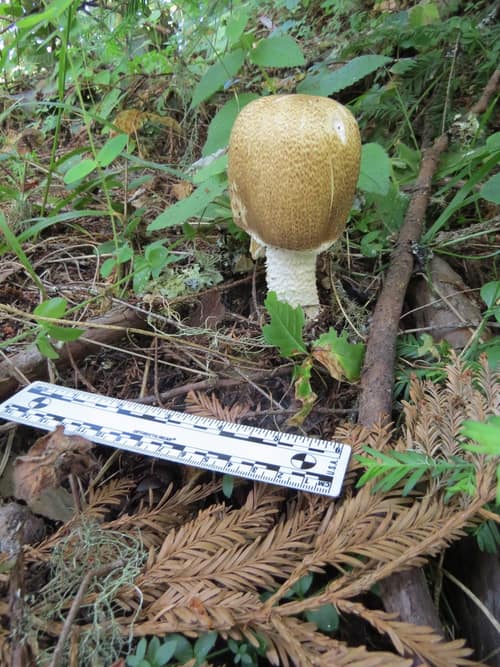
Yellow stainers fruit abundantly in urban lawns, grassy parks, and woodland edges throughout late summer and autumn. While superficially resembling traditional meadow mushrooms, this species reveals its identity when bruised or cut, instantly flashing a bright chrome-yellow color at the stem base. The flesh gives off a distinct chemical odor resembling carbolic ink or disinfectant, which intensifies sharply if heated.
Life spanPerennial mycelium; fruiting body lasts 3–7 days
Classification
OrderAgaricales
FamilyAgaricaceae
GenusAgaricus
SpeciesAgaricus xanthodermus
Range & activity
Range data is not available yet.
Safe observation
Interaction riskHigh
Low
Moderate
High
Very high
Why interaction risk is high
Causes severe gastrointestinal distress. Many edible mushrooms have toxic look-alikes; never eat wild fungi based on app identification alone.
Why it is dangerous
Phenol derivatives cause acute gastrointestinal distress, leading to severe stomach cramps, nausea, vomiting, and diarrhea shortly after ingestion.
How to recognize a risky encounter
Look for a white cap with a flattened top, pinkish gills turning chocolate brown, an immediate yellow stain on the cut stem base, and an inky chemical smell.
What to do
Avoid picking wild mushrooms for food, and wash hands thoroughly after handling unverified fungal specimens.
Responsible observation
Scratch the Base: Gently scrape the bottom of the stem to check for an instant bright yellow stain.
Check the Scent: Sniff bruised flesh for a harsh carbolic or phenol chemical odor.
Observe the Gills: Watch how gills turn from pale pink to dark chocolate brown as spores mature.