
Fungus
Scaly Shield
Pluteus petasatusAlso known as Scaly Pluteus, Fringed Pluteus
Scaly shields fruit directly on decaying hardwood logs, stumps, and woodchip mulch, playing an essential role in breaking down lignin and recycling woodland nutrients. Their broad, whitish caps feature a cluster of fine brownish scales concentrated at the center, resting atop gills that transition from white to salmon pink as spores mature. Emerging in summer and autumn following heavy rains, they readily adapt to both undisturbed mature forests and suburban landscaping beds.
SaprobicWood-DecayingSpore-Bearing
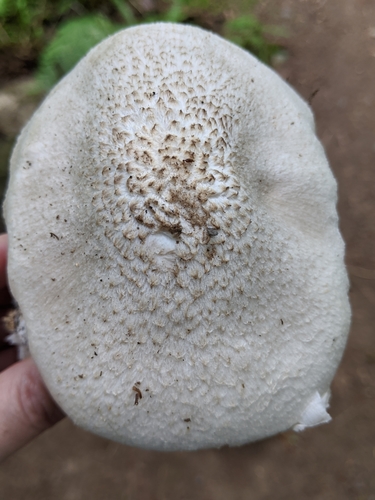
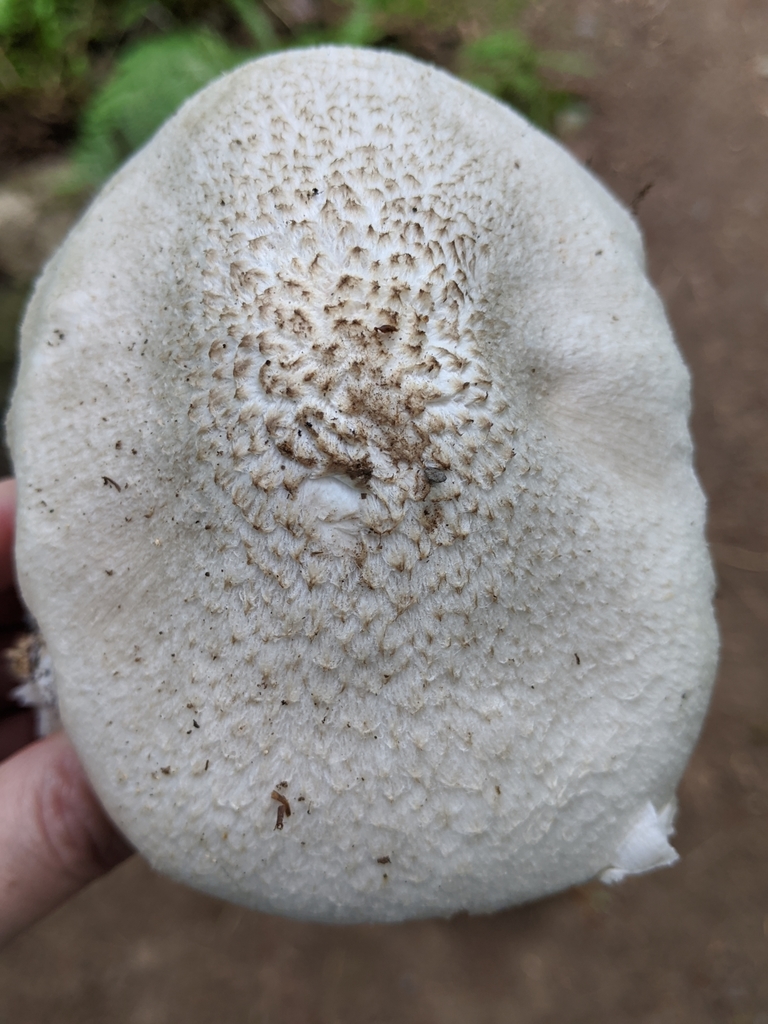
—observations
—countries
—peak records
Not EvaluatedConservation statusIUCN Red List categoriesLCNTVUENCREWEXNot Evaluated — not placed on the risk ladderRed List categories, explained →
Diet & preyDead hardwood, Woodchips, Lignocellulose
Predators
- Slugs
- Fungus gnat larvae
- Woodland rodents
ThreatsRemoval of deadwood, intense forest clearing, and prolonged drought
HabitatsDeciduous woodlands, woodchip piles, rotting logs, and compost heaps
Life spanFruiting body 4–8 days; mycelium lives multiple years
Classification
- OrderAgaricales
- FamilyPluteaceae
- GenusPluteus
- SpeciesPluteus petasatus
Range data is not available yet.
Interaction riskLow
- Low
- Moderate
- High
- Very high
- Why interaction risk is low
- Many edible mushrooms have toxic look-alikes; never eat wild fungi based on app identification alone.
Responsible observation
- Substrate check: Look closely at rotting logs or aged woodchips where these fungi emerge.
- Spore observation: Take a spore print to see the characteristic salmon-pink spore deposit.
- Gill examination: Check that gills are free from the stem to distinguish from look-alikes.
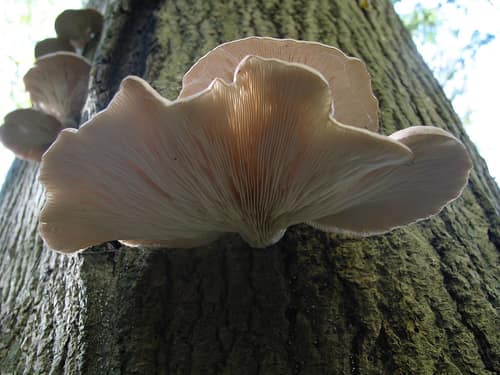
Woodland Competitor voir ci-dessous / see below / CC BY 3.0 · cc-by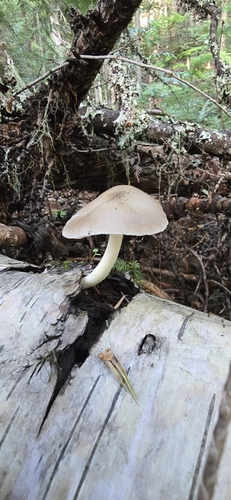
Close Relative no rights reserved · cc0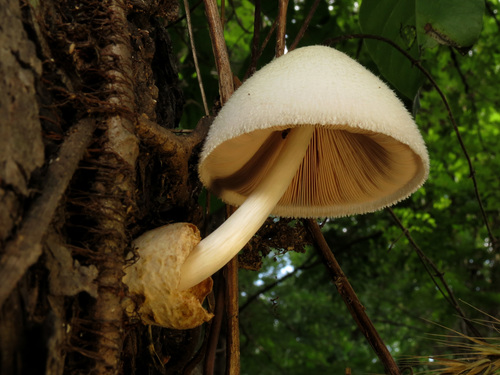
Family Relative (c) Katja Schulz, some rights reserved (CC BY) · cc-by
Help improve the field guideSomething wrong?
Checking your Fauna account…Report a name, category, or profile issue for review.