
Fungus · GBIF taxon 5241128
Splitgill Mushroom
Schizophyllum communeAlso known as Common Split Gill, Split-Gill Fungus, Common Splitgill
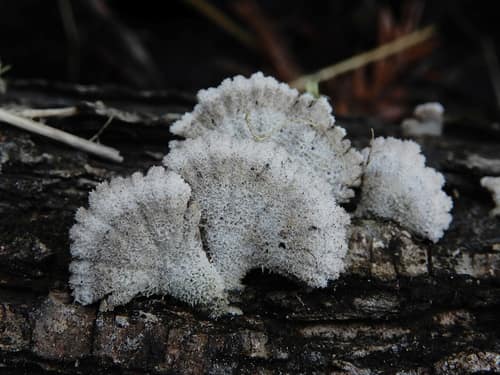
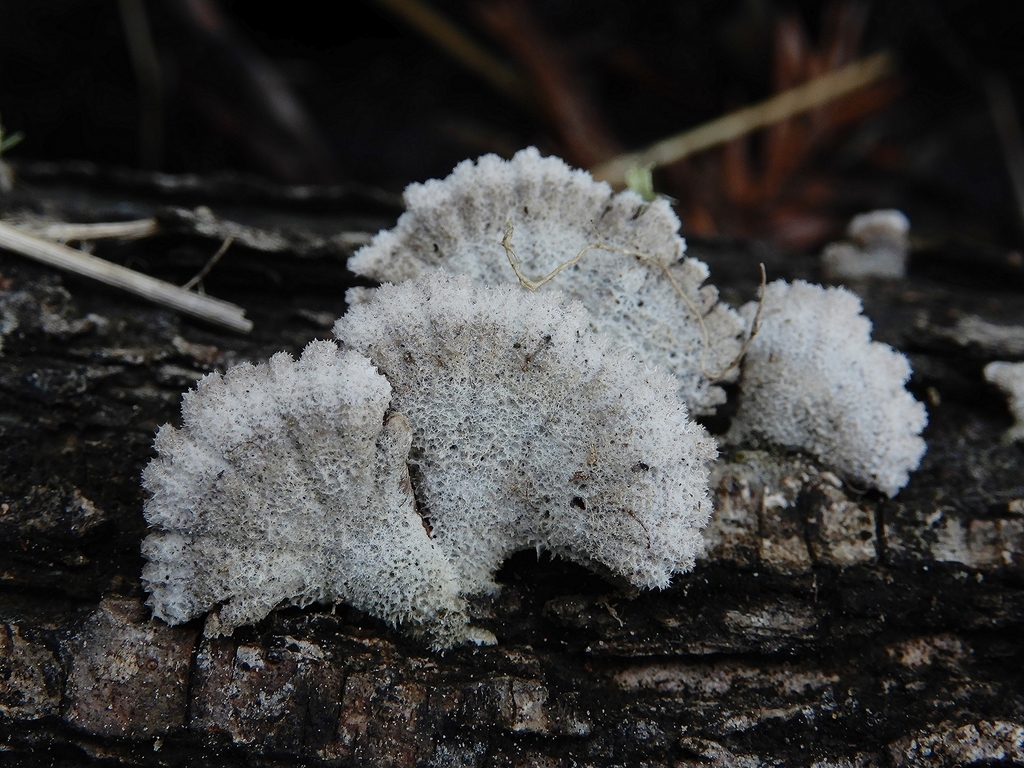
Splitgill mushrooms colonize decaying hardwood logs and fallen branches on every continent except Antarctica. Their fan-shaped caps feature unique gills that split longitudinally, folding over the spore-producing surfaces during dry spells to conserve moisture. When rainfall returns, these tough, hairy fruit bodies rehydrate and instantly resume releasing millions of spores.
Wood-DecayerWidespreadShelf Fungus
 1 / 7
1 / 7—observations
—countries
—peak records
Not EvaluatedConservation statusIUCN Red List categoriesLCNTVUENCREWEXNot Evaluated — not placed on the risk ladderRed List categories, explained →
Diet & prey
- Dead wood
- Lignin
- Cellulose
Predators
- Fungus gnats
- Slugs
- Darkling beetles
ThreatsNone (extremely common and resilient globally)
HabitatsDeciduous forests, woodlands, exposed timber, fallen logs
Life spanPerennial fruit bodies (rehydrate and revive across seasons)
Classification
- OrderAgaricales
- FamilySchizophyllaceae
- GenusSchizophyllum
- SpeciesSchizophyllum commune
Range data is not available yet.
Interaction riskLow
- Low
- Moderate
- High
- Very high
- Why interaction risk is low
- Many wild mushrooms have toxic look-alikes; never eat wild fungi based on app identification alone.
Responsible observation
- Inspect the underside: Look closely at the gill underside to see the characteristic longitudinal splits.
- Check after rain: Search fallen branches after wet weather, when dried shriveled caps dramatically rehydrate.
- Touch the surface: Feel the upper cap to notice its densely fuzzy, greyish-white texture.
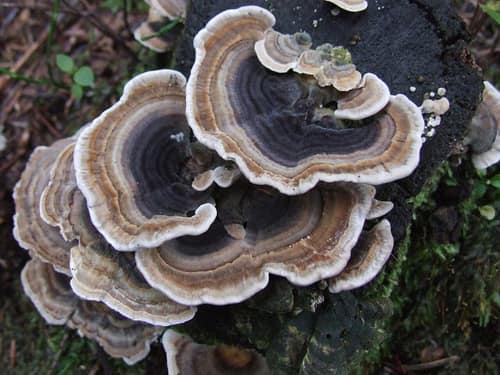
Competitor Jerzy Opioła / CC BY-SA 3.0 · cc-by-sa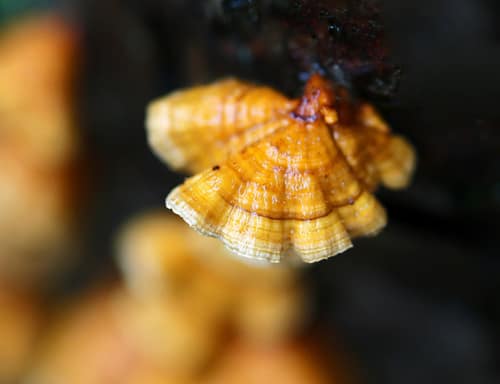
Competitor (c) Christine Young, some rights reserved (CC BY), uploaded by Christine Young · cc-by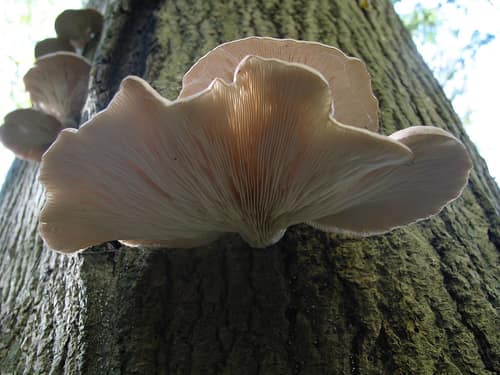
Co-Inhabitant voir ci-dessous / see below / CC BY 3.0 · cc-by
Help improve the field guideSomething wrong?
Checking your Fauna account…Report a name, category, or profile issue for review.