
Fungus
European Destroying Angel
Amanita virosaAlso known as Destroying Angel
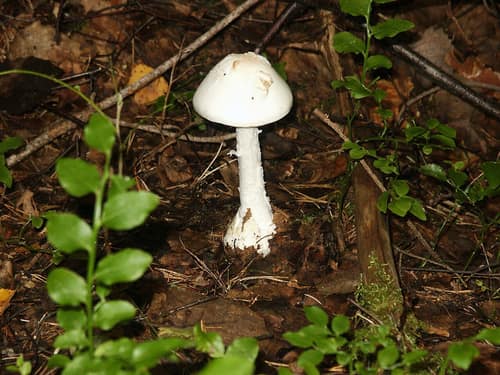
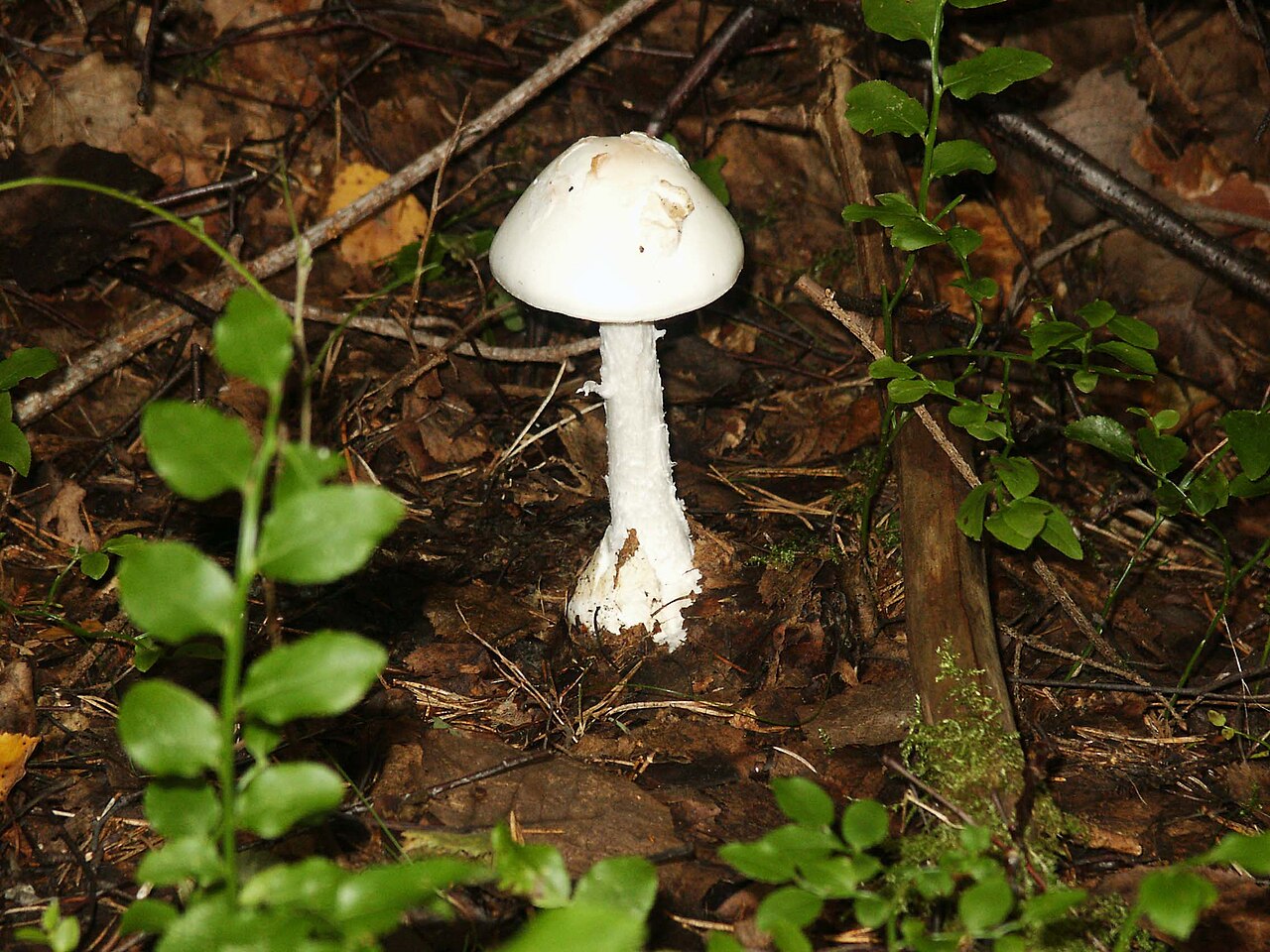
Pure white fruiting bodies emerge in late summer and autumn in temperate woodlands, often forming mycorrhizal partnerships with birch and coniferous trees. The cap begins hemispherical before expanding flat, while a delicate skirt-like ring hangs from the upper stipe. A bulbous stem base remains encased in a distinct sack-like volva hidden just beneath the soil surface.
DeadlyFungusWoodland
—observations
—countries
—peak records
Not EvaluatedConservation statusIUCN Red List categoriesLCNTVUENCREWEXNot Evaluated — not placed on the risk ladderRed List categories, explained →
Diet & preyMycorrhizal
Predators
- Fungus gnats
- Slugs
- Squirrels
ThreatsHabitat loss, woodland clearance
HabitatsBroadleaf and coniferous forests, especially near birch and pine
Life spanPerennial mycelium; fruiting body lasts 5–10 days
Classification
- FamilyAmanitaceae
- SpeciesAmanita virosa
Range data is not available yet.
Interaction riskHigh
- Low
- Moderate
- High
- Very high
- Why interaction risk is high
- Contains lethal amatoxins; many edible mushrooms have toxic look-alikes, so never eat wild fungi based on app identification alone.
- Why it is dangerous
- Contains deadly amatoxins that destroy liver and kidney tissue, typically causing severe organ failure following a delayed onset of symptoms.
- How to recognize a risky encounter
- Look for a completely white agaric mushroom featuring a high stem ring and a distinct cup-like volva enclosing the base.
- What to do
- Do not harvest or handle for food; wash hands thoroughly if touched while inspecting subterranean structures.
Responsible observation
- Visual Inspection: Examine the pure white cap, gills, and upper stem ring without picking the specimen.
- Base Examination: Check the soil line to observe the subterranean volva sac without breaking the stem.
- Safety First: Never collect white woodland mushrooms for food, as misidentification can be fatal.
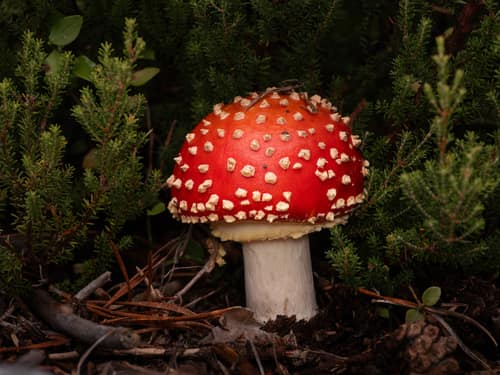
Genus Member (c) Borja Fierro, some rights reserved (CC BY), uploaded by Borja Fierro · cc-by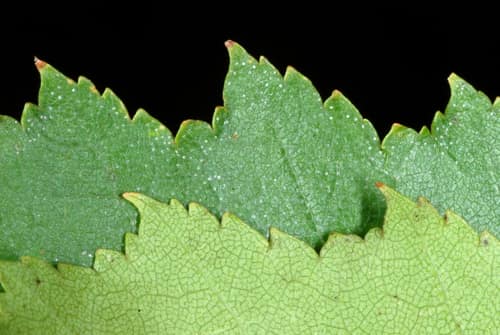
Mycorrhizal Host (c) Douglas Goldman, some rights reserved (CC BY-SA), uploaded by Douglas Goldman · cc-by-sa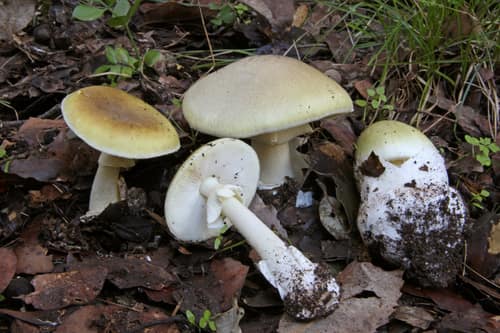
Close Relative (c) Davide Puddu, some rights reserved (CC BY), uploaded by Davide Puddu · cc-by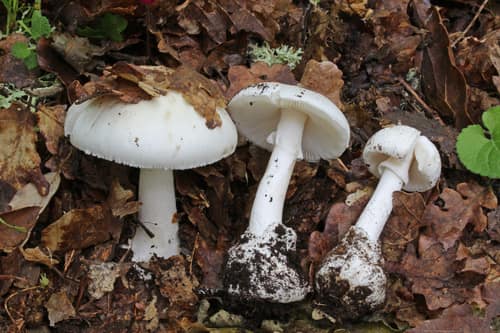
Close Relative (c) Davide Puddu, some rights reserved (CC BY), uploaded by Davide Puddu · cc-by
Help improve the field guideSomething wrong?
Checking your Fauna account…Report a name, category, or profile issue for review.