
Fungus
Amanita gemmata
Amanita gemmataAlso known as Jonquil Amanita
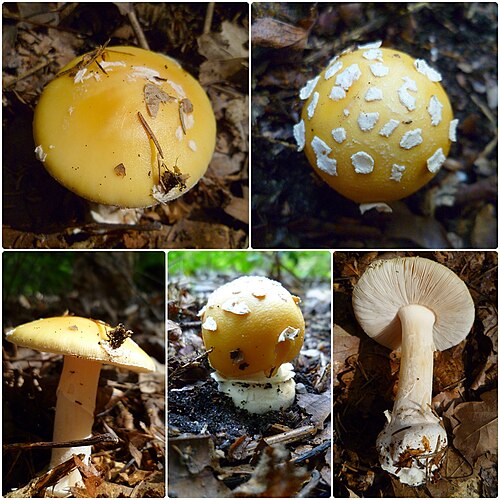
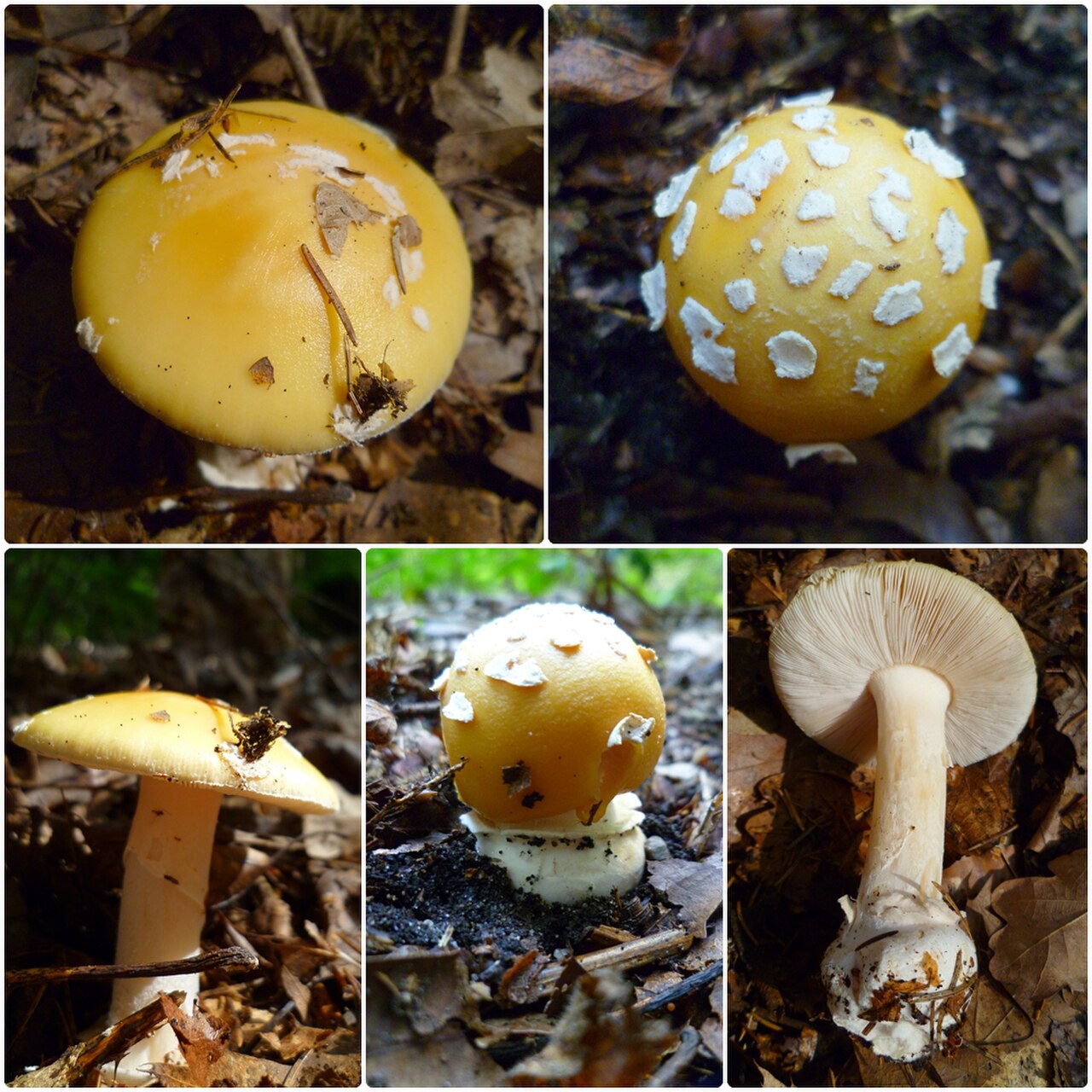
Gemmed amanitas form vital mycorrhizal partnerships with conifer and broadleaf roots, exchanging sequestered soil minerals for host sugars. Fruit bodies emerge in spring through autumn, pushing through forest duff with pale yellow caps studded with flaking remnants of the universal veil. The fragile white skirt around the upper stem frequently collapses or tears away with age, leaving a naked stalk anchored in a distinctive bulbous basal cup.
MycorrhizalForestToxic
—observations
—countries
—peak records
Not EvaluatedConservation statusIUCN Red List categoriesLCNTVUENCREWEXNot Evaluated — not placed on the risk ladderRed List categories, explained →
Diet & preyMycorrhizal nutrient exchange
Predators
- Fungus gnat larvae
- Slugs
- Woodland rodents
ThreatsHabitat fragmentation, clear-cutting, and soil compaction
HabitatsConiferous and mixed temperate woodlands
Life spanPerennial underground mycelium; fruiting caps last 5–12 days
Classification
- OrderAgaricales
- FamilyAmanitaceae
- GenusAmanita
- SpeciesAmanita gemmata
Range data is not available yet.
Interaction riskHigh
- Low
- Moderate
- High
- Very high
- Why interaction risk is high
- Contains neurotoxins that cause severe poisoning; many mushrooms have toxic look-alikes, so never ingest wild fungi.
- Why it is dangerous
- Contains ibotenic acid and muscimol, which induce delirium, muscular twitches, dizziness, vomiting, and severe central nervous system depression.
- How to recognize a risky encounter
- Look for a pale ochre or jonquil-yellow cap covered in loose white patches, free white gills, and a bulbous base.
- What to do
- Never pick for the kitchen; simply observe from above and thoroughly wash hands if the mushroom is handled during field identification.
Responsible observation
- Identification: Examine the stem base for a cup-like volva and inspect the cap margin for delicate striations.
- Spore Prints: Cut the mature cap and place gills-down on dark paper under a bowl to reveal white spores.
- Foraging Safety: Leave the fungus undisturbed in the leaf litter, as touching is safe but ingestion is dangerous.
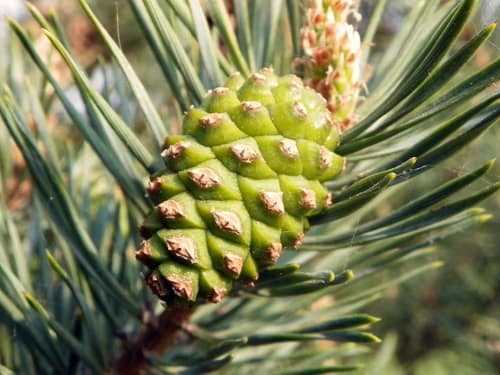
Symbiont (c) anemoneprojectors (no internet at the moment), some rights reserved (CC BY-SA) · cc-by-sa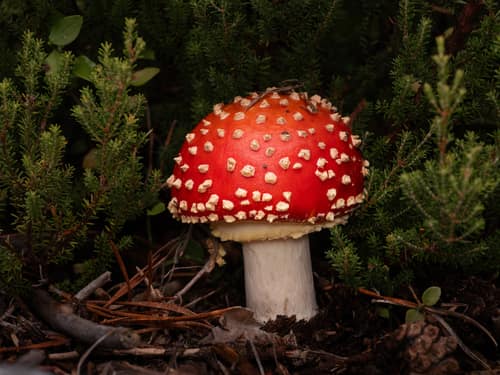
Close Relative (c) Borja Fierro, some rights reserved (CC BY), uploaded by Borja Fierro · cc-by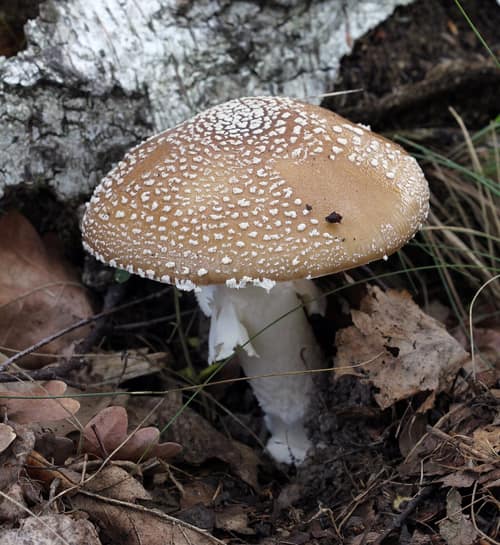
Close Relative George Chernilevsky / Public domain · cc0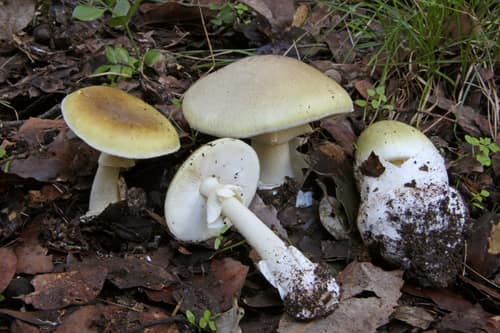
Close Relative (c) Davide Puddu, some rights reserved (CC BY), uploaded by Davide Puddu · cc-by
Keep collecting in Fauna
Found in Collections
Species set Pro
Fungi Forager
Amanita gemmata is found in this collection. Identify it in Fauna to fill this slot and continue your progress.
Unlock to track progress
Help improve the field guideSomething wrong?
Checking your Fauna account…Report a name, category, or profile issue for review.