
Fungus
Salmon Coral
Ramaria formosaAlso known as Beautiful Clavaria, Yellow-tipped Coral Fungus, Pink Coral Fungus
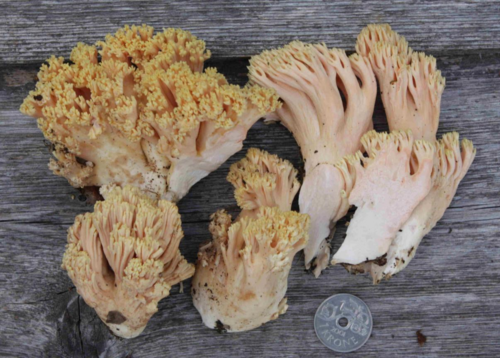
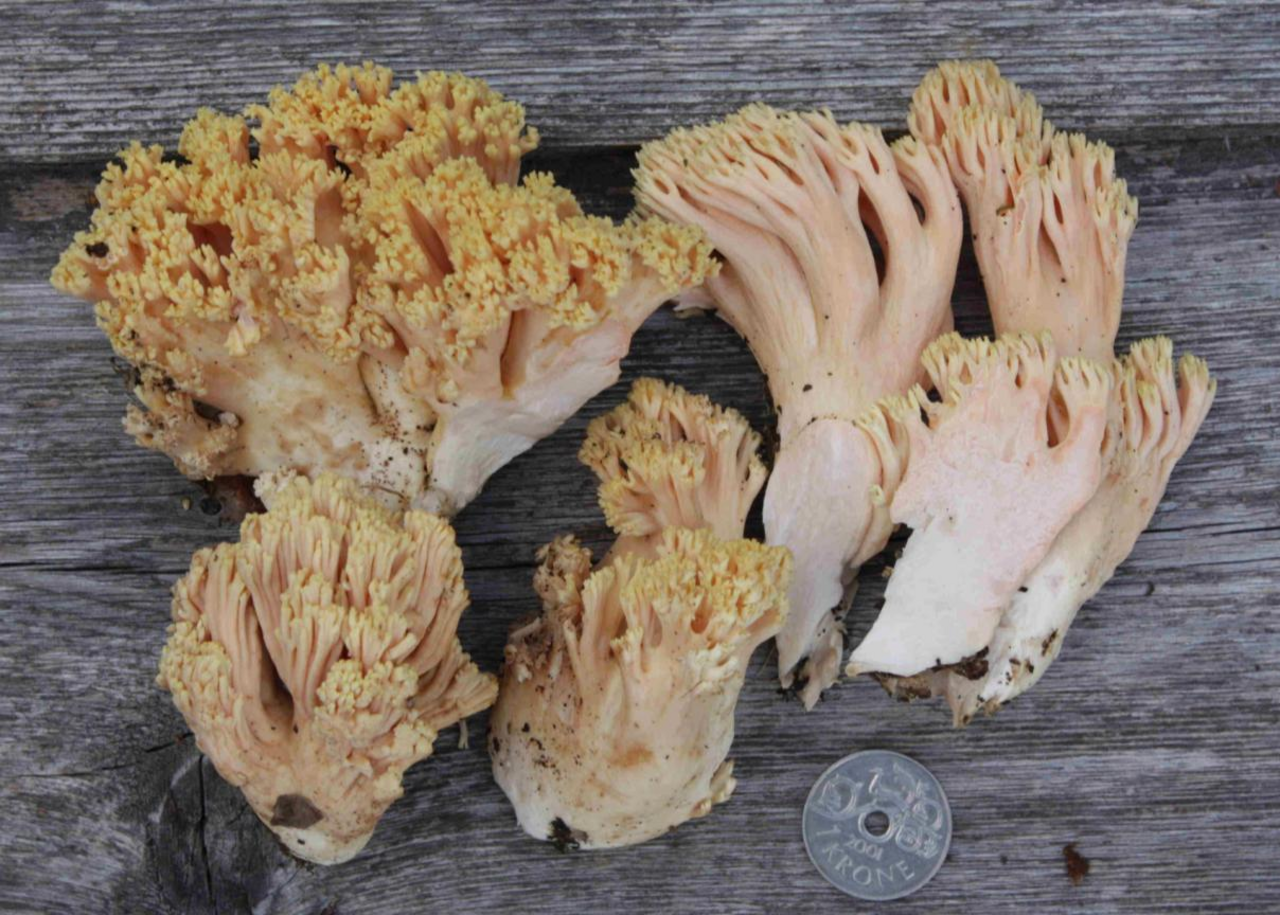
Rising from forest leaf litter in dense, coral-like branches, this vibrant fungus forms intricate cauliflower-shaped clusters under mature broadleaf canopies. Its subterranean mycelium establishes vital ectomycorrhizal associations with tree roots, trading absorbed minerals and moisture for photosynthetic sugars. While striking with its pastel salmon branches and bright yellow tips, the fruit body slowly fades to a uniform ochre as spores mature and disperse on autumn breezes.
FungusMycorrhizalWoodland
—observations
—countries
—peak records
Not EvaluatedConservation statusIUCN Red List categoriesLCNTVUENCREWEXNot Evaluated — not placed on the risk ladderRed List categories, explained →
Diet & preyMycorrhizal (nutrients exchanged with host tree roots)
Predators
- Slugs
- Fungus gnats
- Small rodents
ThreatsHabitat fragmentation, loss of mature broadleaf trees, and soil compaction
HabitatsDeciduous and mixed temperate woodlands, especially under beech and oak
Life spanFruiting body persists 1–3 weeks; mycelium lives for decades
Classification
- OrderGomphales
- FamilyGomphaceae
- GenusRamaria
- SpeciesRamaria formosa
Range data is not available yet.
Interaction riskHigh
- Low
- Moderate
- High
- Very high
- Why interaction risk is high
- Causes severe gastrointestinal poisoning and resembles other coral fungi; never consume wild mushrooms.
- Why it is dangerous
- Contains gastrointestinal toxins that induce intense colic, nausea, persistent vomiting, and severe diarrhea within hours of ingestion.
- How to recognize a risky encounter
- Recognized by its substantial cauliflower-like cluster of salmon-pink branches ending in bright lemon-yellow tips.
- What to do
- Leave undisturbed in the field, and wash hands promptly if specimens are touched during inspection.
Responsible observation
- Color Observation: Look closely at the tips of young branches, which contrast sharply in yellow against pink stems.
- Habitat Clues: Check around the base of mature beech and oak trees where damp leaf litter gathers.
- Gentle Inspection: Avoid uprooting the thick white base to protect the delicate underground fungal network.
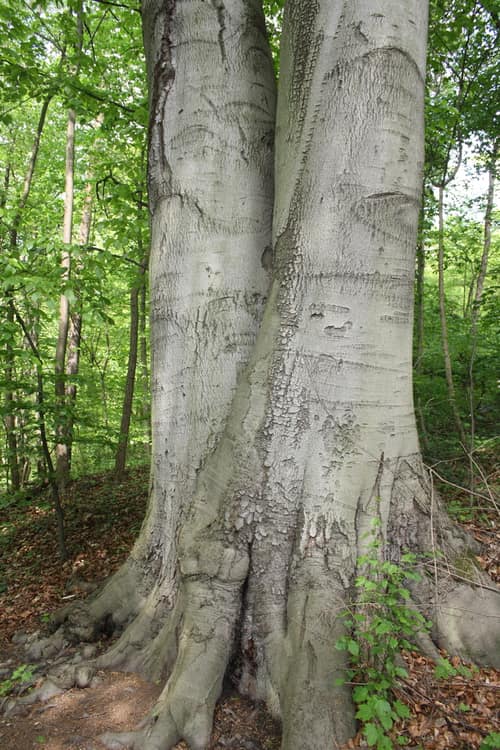
Host Tree (c) Daniel Linzbauer, some rights reserved (CC BY), uploaded by Daniel Linzbauer · cc-by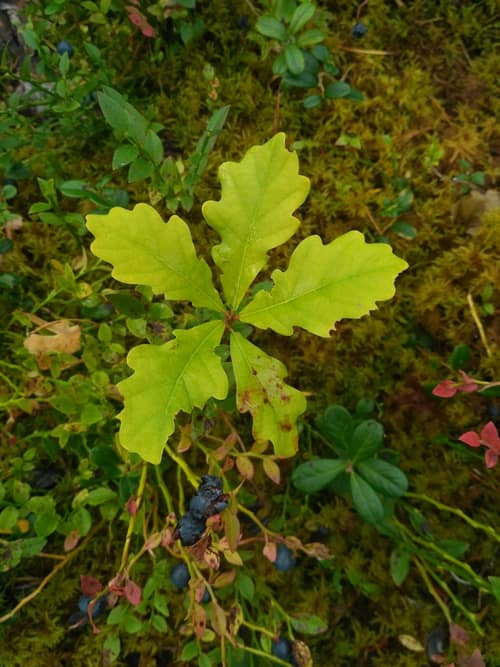
Host Tree (c) Natalya Ivanova, some rights reserved (CC BY) · cc-by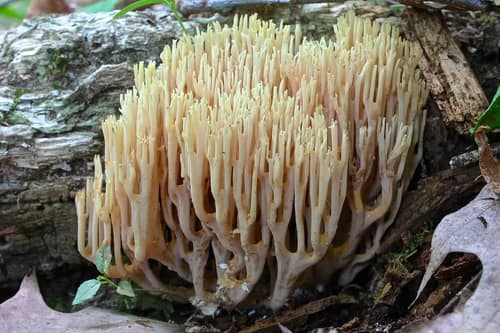
Close Relative (c) Fluff Berger, some rights reserved (CC BY-SA), uploaded by Fluff Berger · cc-by-sa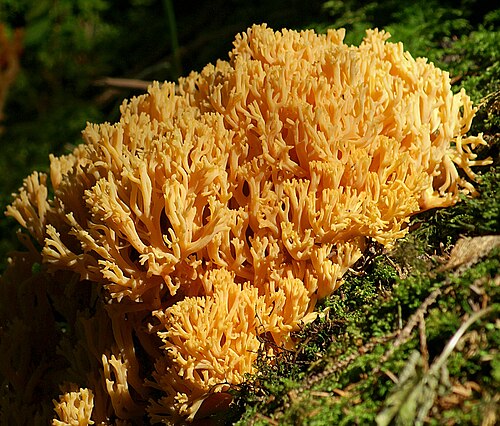
Close Relative Ramaria_aurea1.JPG: böhringer friedrich derivative work: Ak ccm / CC BY-SA 2.5 · cc-by-sa
Help improve the field guideSomething wrong?
Checking your Fauna account…Report a name, category, or profile issue for review.