
Bird · GBIF taxon 5231918
Common Cuckoo
Cuculus canorusAlso known as Eurasian Cuckoo, European Cuckoo
Common cuckoos are famous brood parasites, laying their eggs in the nests of other bird species and leaving the host parents to raise their demanding chicks. Adults mimic the appearance of sparrowhawks to frighten host birds away from their nests, allowing the female cuckoo to swiftly deposit a single, highly camouflaged egg. Their iconic, echoing two-note call heralds the arrival of spring across temperate Eurasia before they migrate back to African wintering grounds.
Brood ParasiteMigratoryVocal
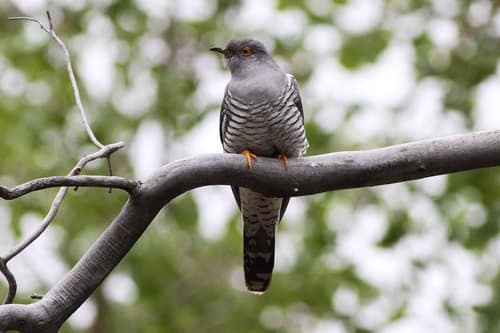
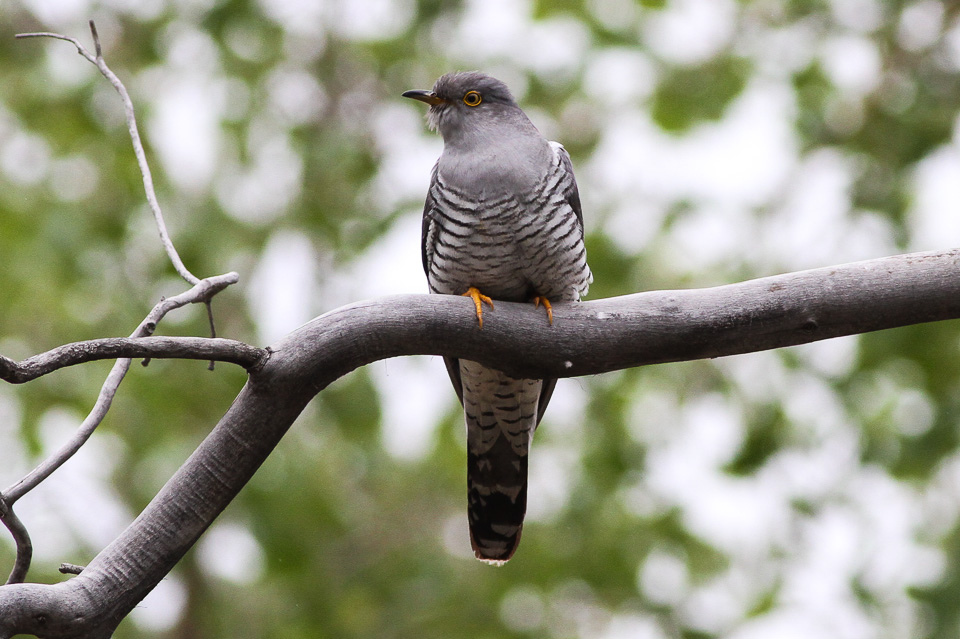
Licensed referenceRon Knight from Seaford, East Sussex, United Kingdom / CC BY 2.0 · cc-by
—observations
—countries
—peak records
Least ConcernConservation statusIUCN Red List categoriesLCNTVUENCREWEXLeast ConcernRed List categories, explained →
Diet & prey
- Hairy Caterpillars
- Beetles
- Earthworms
Predators
- Eurasian Sparrowhawk
- Hobby
- Domestic Cat
ThreatsHabitat loss, decline of host species, and pesticide use reducing insect prey
HabitatsOpen woodlands, reed beds, moorlands, and agricultural edges
Life span4 to 6 years
Size / weightNot available
Classification
- FamilyCuculidae
- SpeciesCuculus canorus
Range data is not available yet.
Interaction riskLow
- Low
- Moderate
- High
- Very high
- Why interaction risk is low
- Safe to observe at a normal distance.
Responsible observation
- Listen for Calls: Locate males in spring by tracking their distinctive, repetitive two-note call from high perches.
- Watch Host Nests: Observe reed warbler or dunnock nests from a distance to witness foster parenting behavior.
- Scan the Tree Line: Look for a hawk-like silhouette with pointed wings and a long, graduated tail.
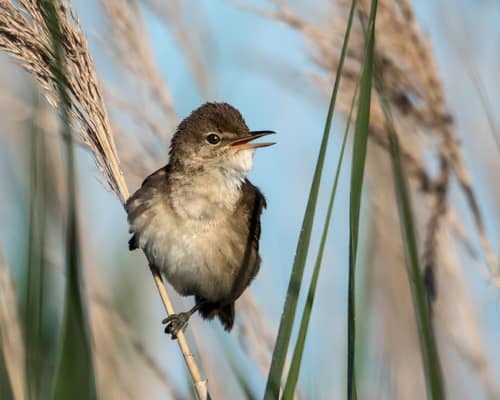
Frequent Host (c) Alan Shearman, some rights reserved (CC BY) · cc-by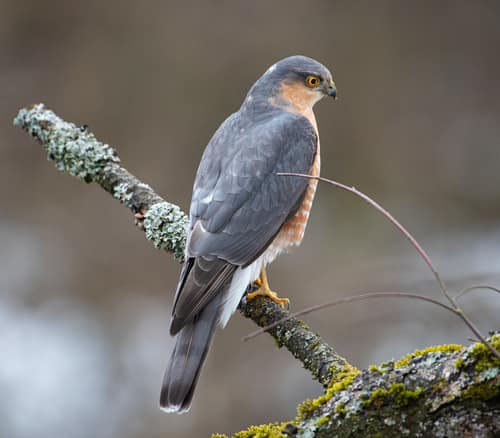
Mimicry Target (c) Stanislav Murashkin, some rights reserved (CC BY), uploaded by Stanislav Murashkin · cc-by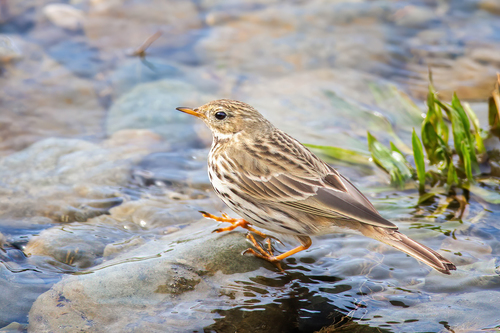
Frequent Host (c) egorbirder, some rights reserved (CC BY) · cc-by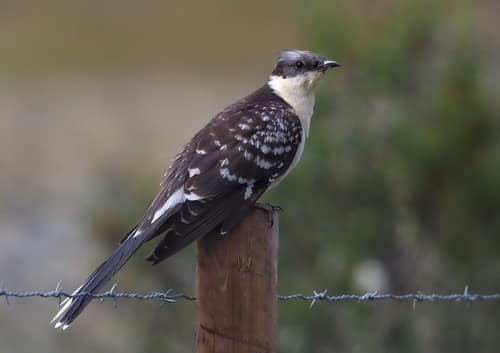
Close Relative (c) Frank Vassen, some rights reserved (CC BY) · cc-by
Help improve the field guideSomething wrong?
Checking your Fauna account…Report a name, category, or profile issue for review.