
Bird · GBIF taxon 2496464
Great Spotted Cuckoo
Clamator glandariusAlso known as Spotted Cuckoo
Great spotted cuckoos are striking brood parasites known for their loud, chattering calls and distinctive silvery-grey crests. Unlike the common cuckoo, they primarily target corvids, particularly Eurasian magpies, laying multiple eggs in a single host nest. The young cuckoos do not eject host eggs or chicks, instead outcompeting their nestmates for food through rapid growth and aggressive begging.
Brood ParasiteMigratoryCrested
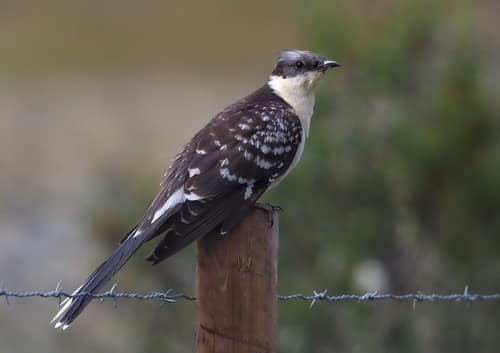
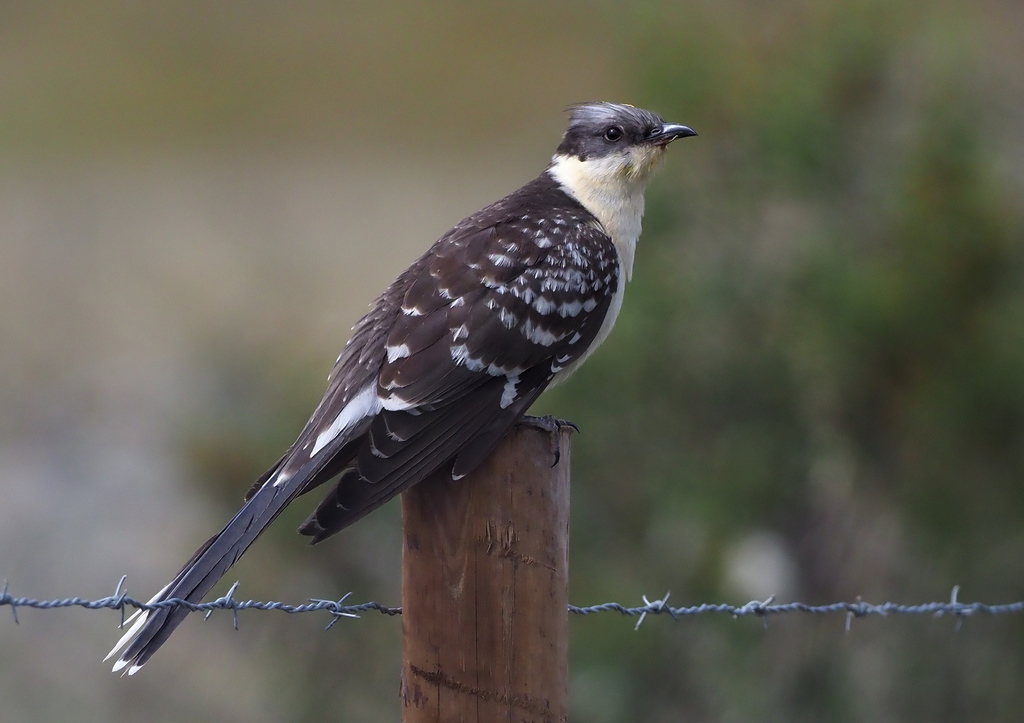
Licensed reference(c) Frank Vassen, some rights reserved (CC BY) · cc-by
—observations
—countries
—peak records
Least ConcernConservation statusIUCN Red List categoriesLCNTVUENCREWEXLeast ConcernRed List categories, explained →
Diet & prey
- Hairy caterpillars
- Grasshoppers
- Small lizards
Predators
- Birds of prey
- Feral cats
- Snakes
ThreatsHabitat loss, pesticide use reducing insect prey, and changes in host bird populations.
HabitatsOpen woodlands, scrublands, olive groves, and dry savannahs.
Life span4 to 6 years
Size / weightNot available
Classification
- FamilyCuculidae
- SpeciesClamator glandarius
Range data is not available yet.
Interaction riskLow
- Low
- Moderate
- High
- Very high
- Why interaction risk is low
- Safe to observe at a normal distance.
Responsible observation
- Listen for chatter: Scan open woodlands when you hear their harsh, rattling alarm calls.
- Watch magpie nests: Look closely at active magpie nests in spring to spot adult cuckoos sneaking in.
- Observe from afar: Keep a respectful distance during the breeding season to avoid disrupting host nesting.
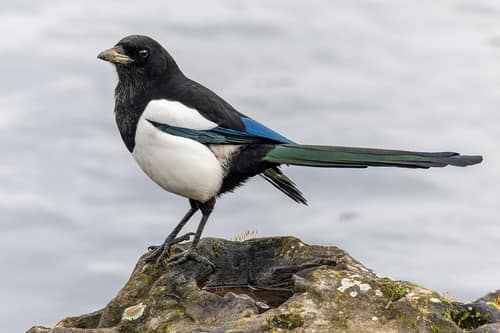
Primary Host Alexis Lours / CC BY 4.0 · cc-by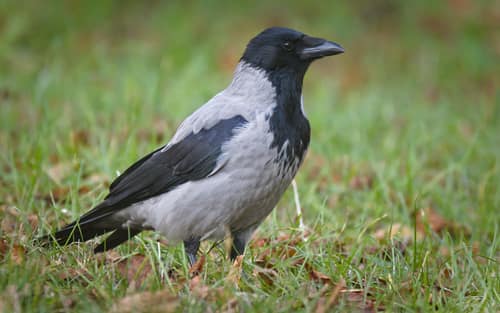
Alternative Host (c) hedera.baltica, some rights reserved (CC BY-SA) · cc-by-sa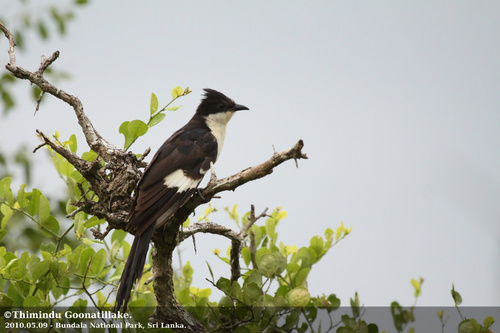
Close Relative (c) Thimindu Goonatillake, some rights reserved (CC BY-SA) · cc-by-sa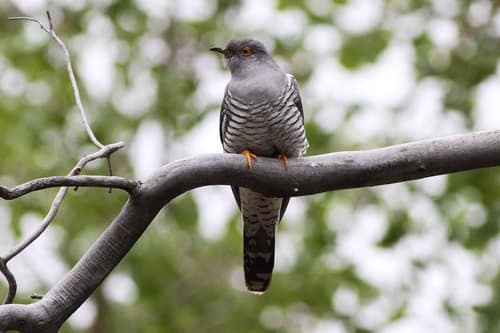
Family Member Ron Knight from Seaford, East Sussex, United Kingdom / CC BY 2.0 · cc-by
Help improve the field guideSomething wrong?
Checking your Fauna account…Report a name, category, or profile issue for review.