
Bird · GBIF taxon 5231693
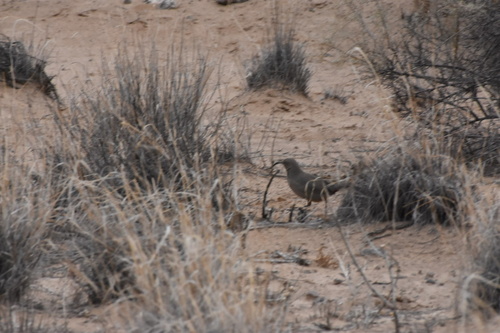
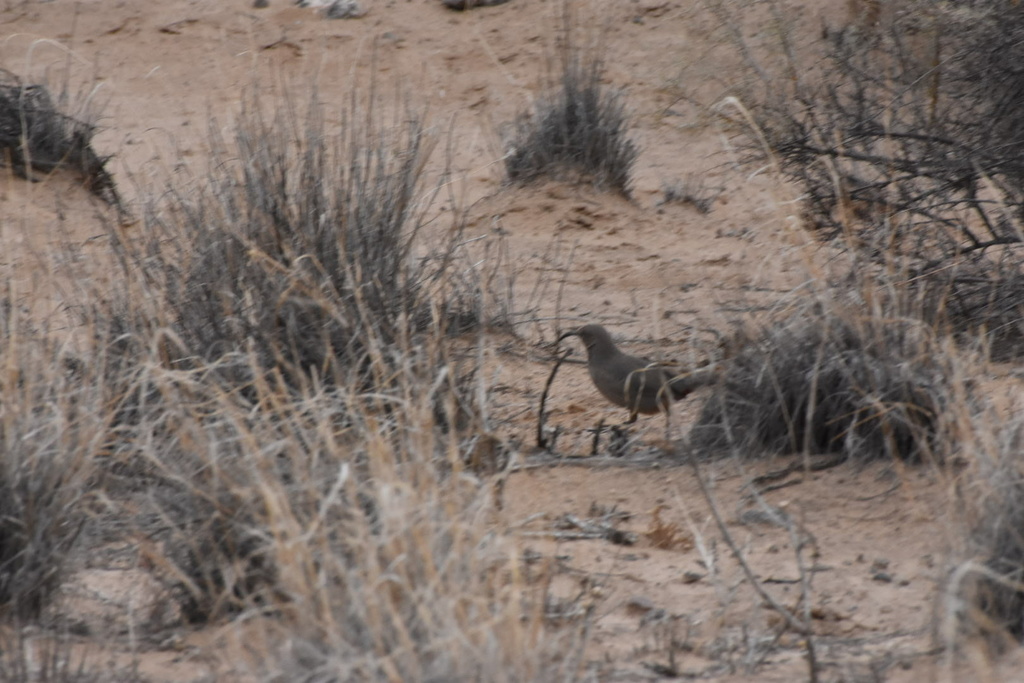
Crissal Thrasher
Toxostoma crissaleAlso known as Red-vented Thrasher
Crissal thrashers spend most of their lives concealed within dense desert scrub and mesquite thickets, bounding rapidly along the ground rather than taking to open flight. They use their dramatically decurved bills to sweep aside leaf litter and probe dry soil for buried arthropods and fallen seeds. Males perform elaborate, musical songs from exposed perches in the early morning twilight before retreating back into deep cover.
DesertSongbirdSecretive
Licensed referenceno rights reserved · cc0
—observations
—countries
—peak records
Least ConcernConservation statusIUCN Red List categoriesLCNTVUENCREWEXLeast ConcernRed List categories, explained →
Diet & prey
- Darkling Beetles
- Caterpillars
- Wolf Spiders
Predators
- Cooper's Hawk
- Coachwhip
- Coyote
ThreatsHabitat loss from riparian clearing, urban development, and groundwater depletion
HabitatsDense riparian desert scrub, mesquite bosques, arroyos, and chaparral brushlands
Life span5–8 years
Size / weightNot available
Classification
- OrderPasseriformes
- FamilyMimidae
- GenusToxostoma
- SpeciesToxostoma crissale
Range data is not available yet.
Interaction riskLow
- Low
- Moderate
- High
- Very high
- Why interaction risk is low
- Safe to observe at a normal distance.
Responsible observation
- Best Time: Listen at dawn in spring when males sing from elevated perches before descending.
- Detection: Focus on dense mesquite thickets along dry washes rather than open desert terrain.
- Observation Distance: Remain motionless along trail edges, as sudden movements cause them to run deep into brush.
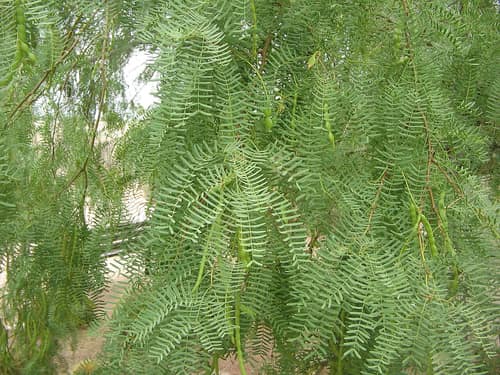
Host Plant Don A.W. Carlson / CC BY 2.5 · cc-by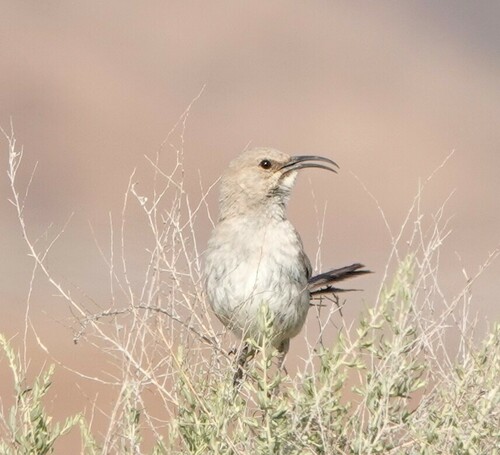
Close Relative (c) nmoorhatch, some rights reserved (CC BY), uploaded by nmoorhatch · cc-by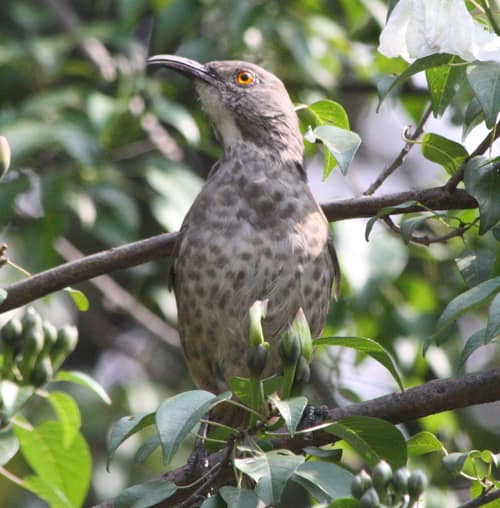
Close Relative no rights reserved · cc0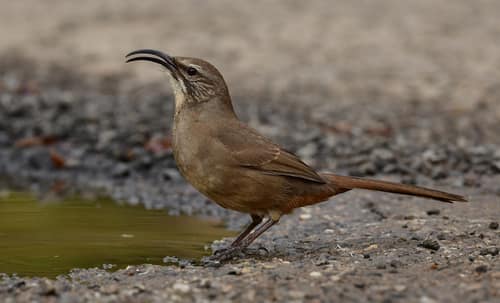
Close Relative (c) Pat Farris, some rights reserved (CC BY), uploaded by Pat Farris · cc-by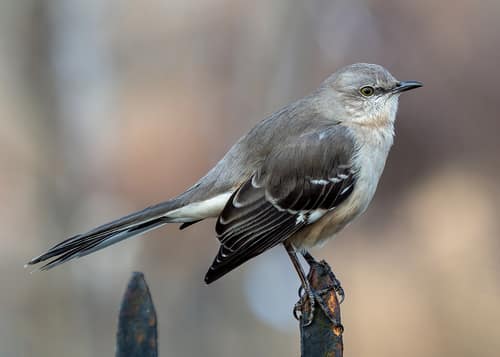
Same Family Rhododendrites / CC BY-SA 4.0 · cc-by-sa
Help improve the field guideSomething wrong?
Checking your Fauna account…Report a name, category, or profile issue for review.