
Bird
Spanish Sparrow
Passer hispaniolensisAlso known as Willow Sparrow
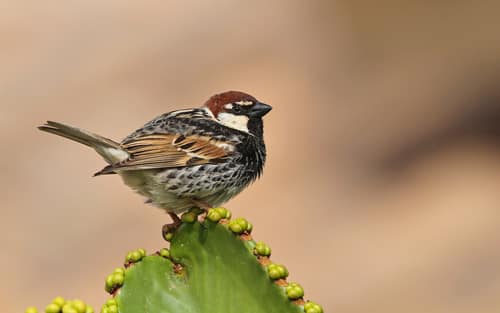
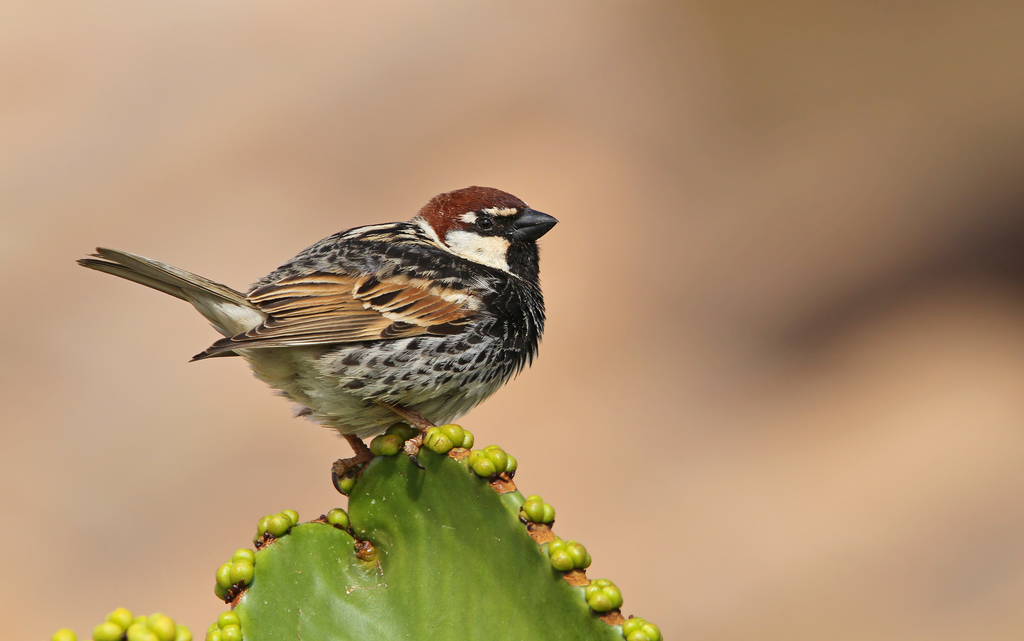
Spanish sparrows are highly social songbirds that gather in massive, noisy colonies to nest in the lower branches of large trees or within the foundations of white stork nests. They display striking sexual dimorphism, with males sporting a rich chestnut crown, bright white cheeks, and dense black streaking across the breast and flanks. These birds are closely tied to agricultural lands and damp river valleys, where their synchronized flocks forage for seeds and insects.
SocialColonialVocal
—observations
—countries
—peak records
Least ConcernConservation statusIUCN Red List categoriesLCNTVUENCREWEXLeast ConcernRed List categories, explained →
Diet & preyGrass seeds, Cereal grains, Caterpillars
Predators
- Eurasian sparrowhawks
- Feral cats
- Snakes
ThreatsPesticide use, habitat loss, and agricultural intensification
HabitatsAgricultural fields, river valleys, scrublands, and orchards
Life span3 to 5 years
Classification
- FamilyPasseridae
- SpeciesPasser hispaniolensis
Range data is not available yet.
Interaction riskLow
- Low
- Moderate
- High
- Very high
- Why interaction risk is low
- Safe to observe at a normal distance.
Responsible observation
- Listen for Colonies: Locate them by listening for their loud, metallic chirping, which is more intense than that of house sparrows.
- Scan Stork Nests: Look closely at the messy undersides of active white stork nests where these sparrows often build colonial homes.
 Image unavailable
Hybrid Descendant 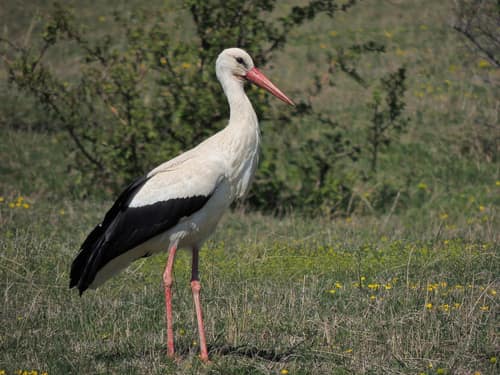
Nesting Partner (c) xulescu_g, some rights reserved (CC BY-SA) · cc-by-sa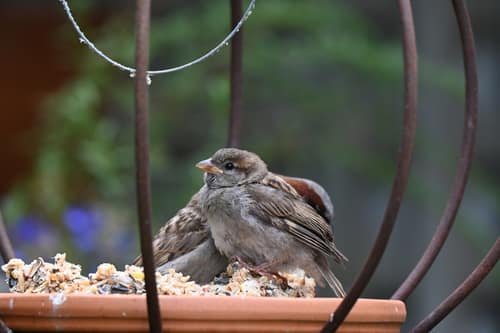
Close Relative (c) jraus, some rights reserved (CC BY-SA) · cc-by-sa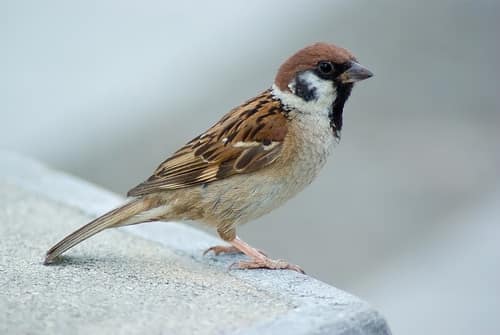
Close Relative Laitche / Public domain · cc0
Help improve the field guideSomething wrong?
Checking your Fauna account…Report a name, category, or profile issue for review.